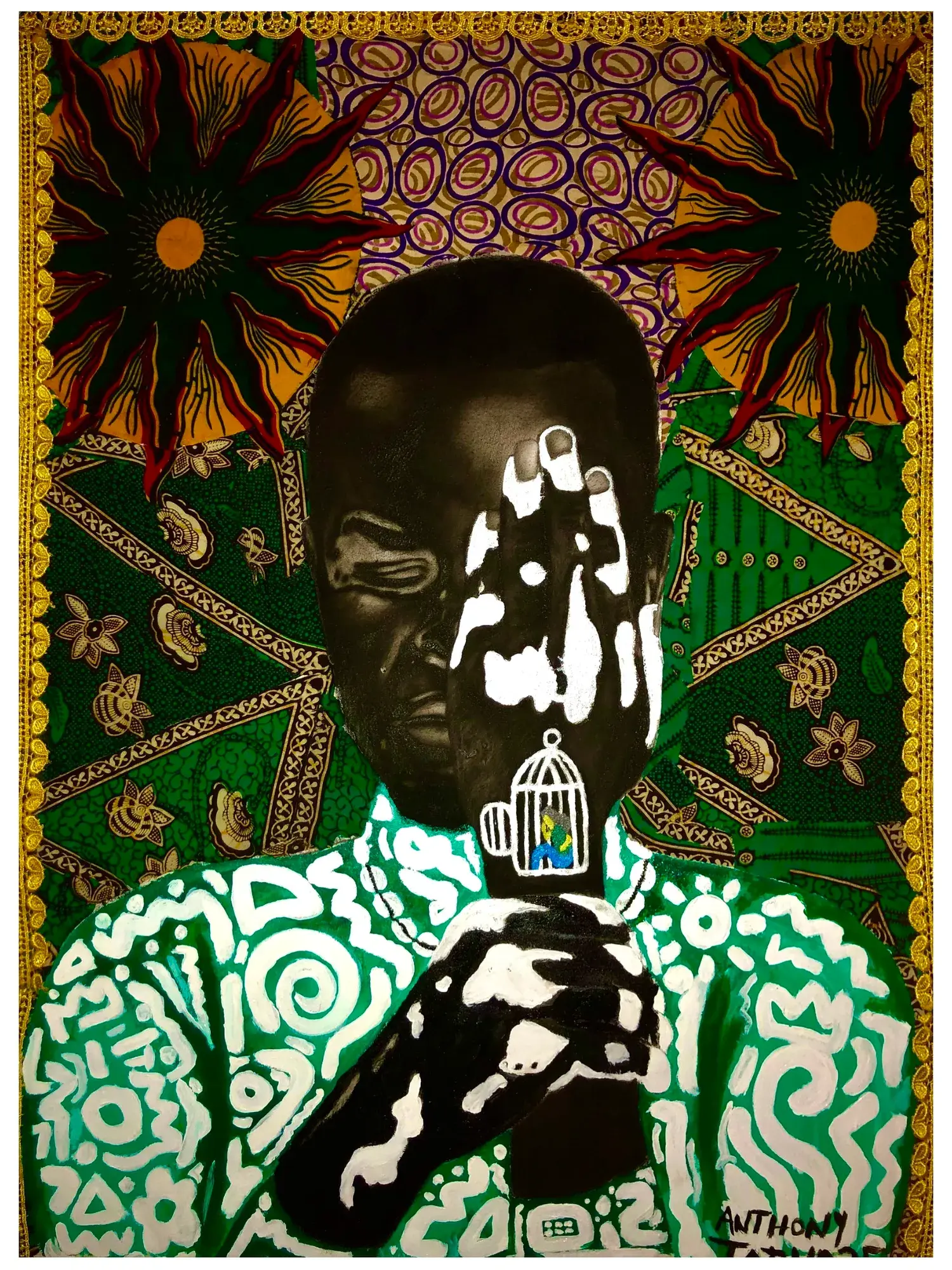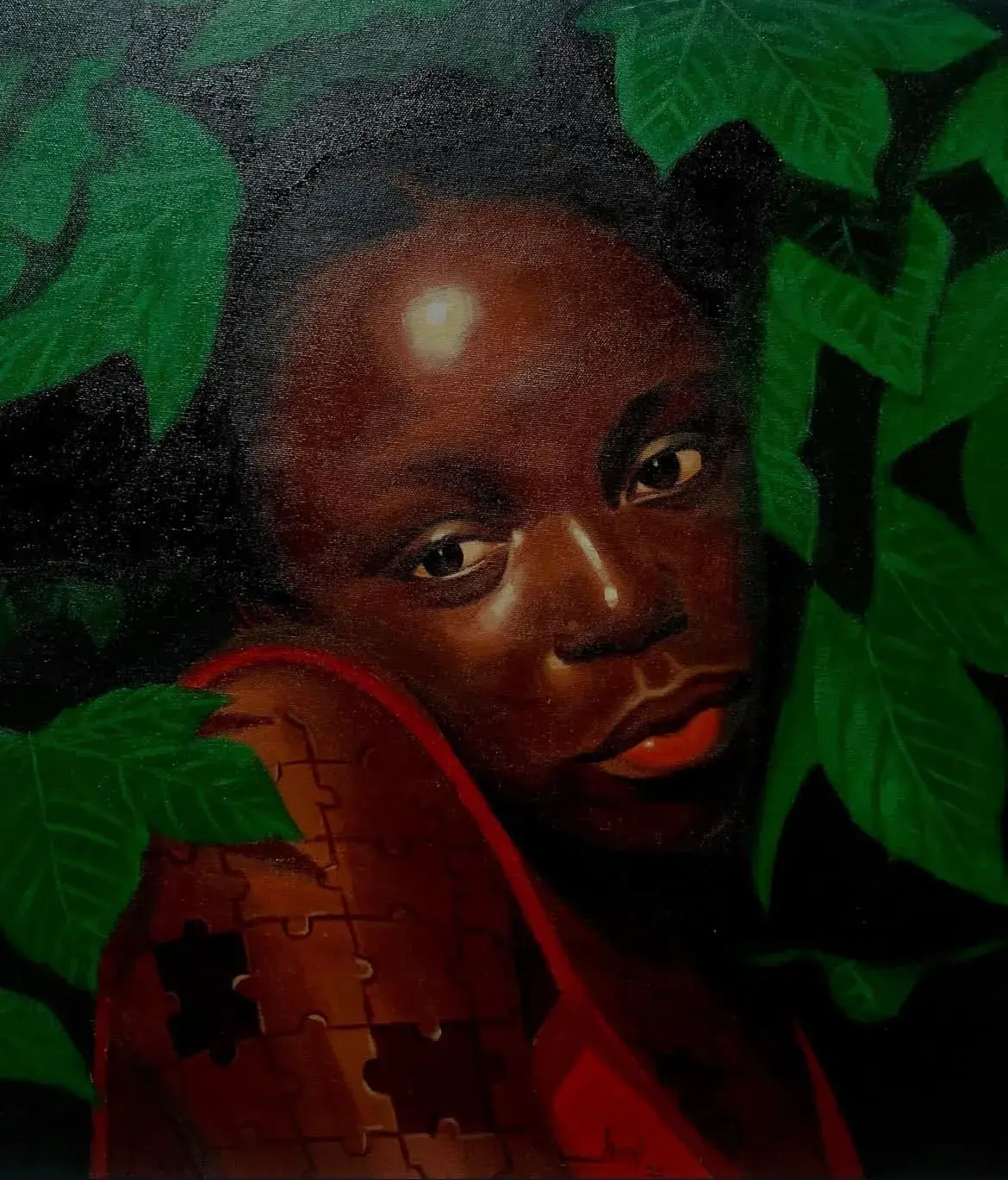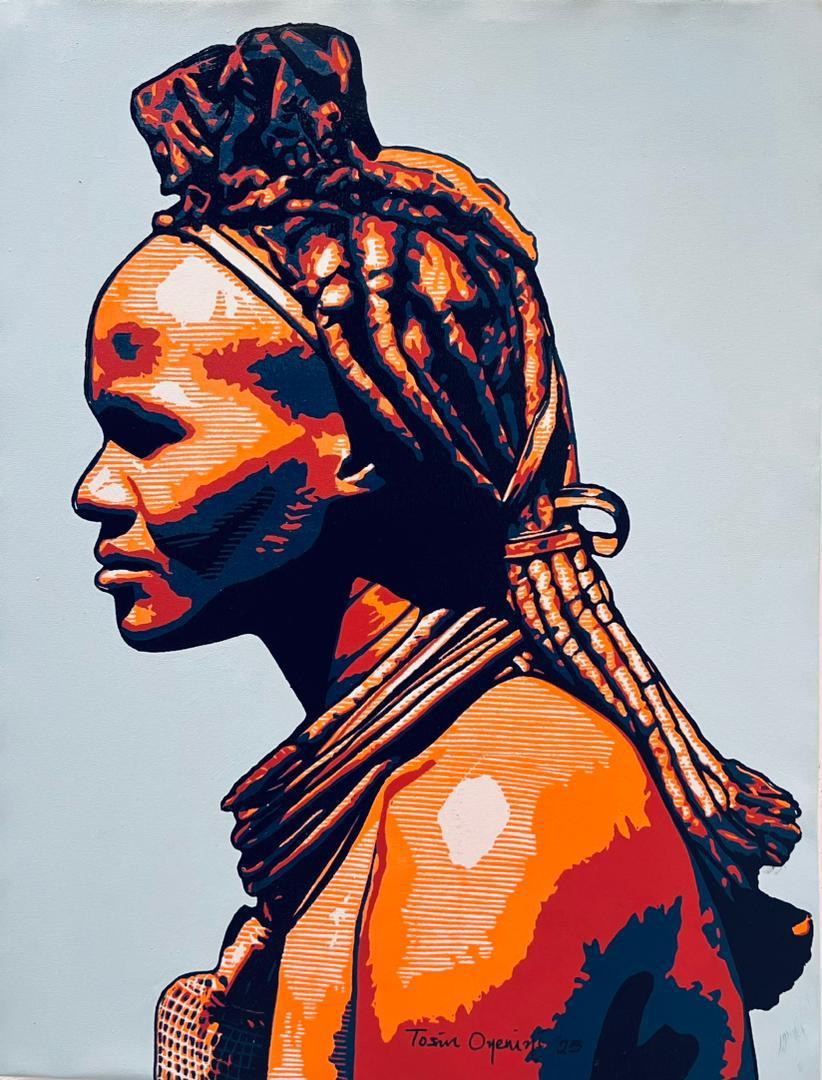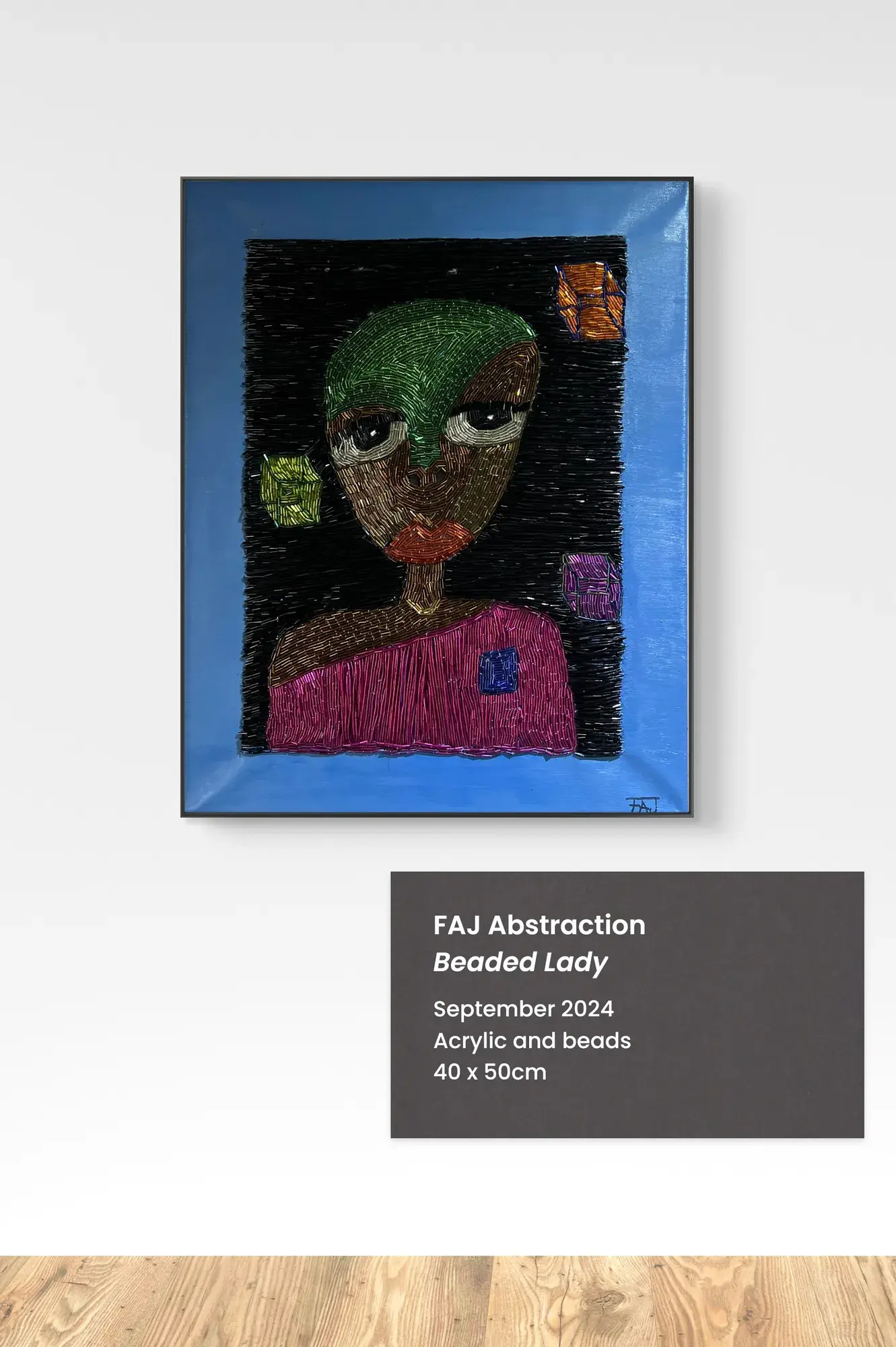
African paintings can transform a space with colour, history, texture, and story. Whether you're looking for contemporary canvas pieces, traditional-inspired artwork, or statement pieces from emerging creators, buying online gives you access to a far wider range of styles than most local galleries can hold. The key is knowing where to look, what to ask, and how to choose a piece you'll love for years.
This guide walks through all of it: what makes contemporary African painting distinct, the difference between an original and a print, how to judge a listing, what you should expect to pay, and what actually happens between checkout and the moment a canvas arrives at your door.
Why African painting belongs on your wall
Some of the most exciting painting happening anywhere right now is happening in African studios. Artists working in Lagos, Accra, Nairobi, Dakar and across the diaspora are producing work that moves between abstraction, portraiture, mural traditions and social commentary, often in the same canvas. A Nigerian artist might fold the Gelede masquerade into an abstract mural. Another might paint the Hausa Durbar festival in oil and mixed media, horses and riders dissolving into colour.
What ties this work together is not one "African style", because there isn't one. It is a directness of subject. These paintings tend to be about something: identity, faith, womanhood, childhood ambition, mental health, celebration. When visitors ask about the painting in your hallway, there is a story to tell, and that story is half of what you are buying.
Original, print, or reproduction: know what the label means
Before comparing prices, get the vocabulary straight, because the same image can exist at three very different price points.
An original is the one physical painting the artist made: oil or acrylic on canvas, one of one. It carries the texture of the brushwork and the highest price, and it can never be bought twice.
An art print is a quality reproduction of an original, usually produced in a numbered or open run. Prints are the affordable way to collect an artist whose originals are beyond your budget, and a good listing will say so plainly, often right in the title.
A reproduction painted by someone other than the original artist is a copy. There is a market for decorative copies, but they should never be priced or described as originals. If a listing is vague about which of the three you are looking at, that vagueness is your answer: ask, or walk away.
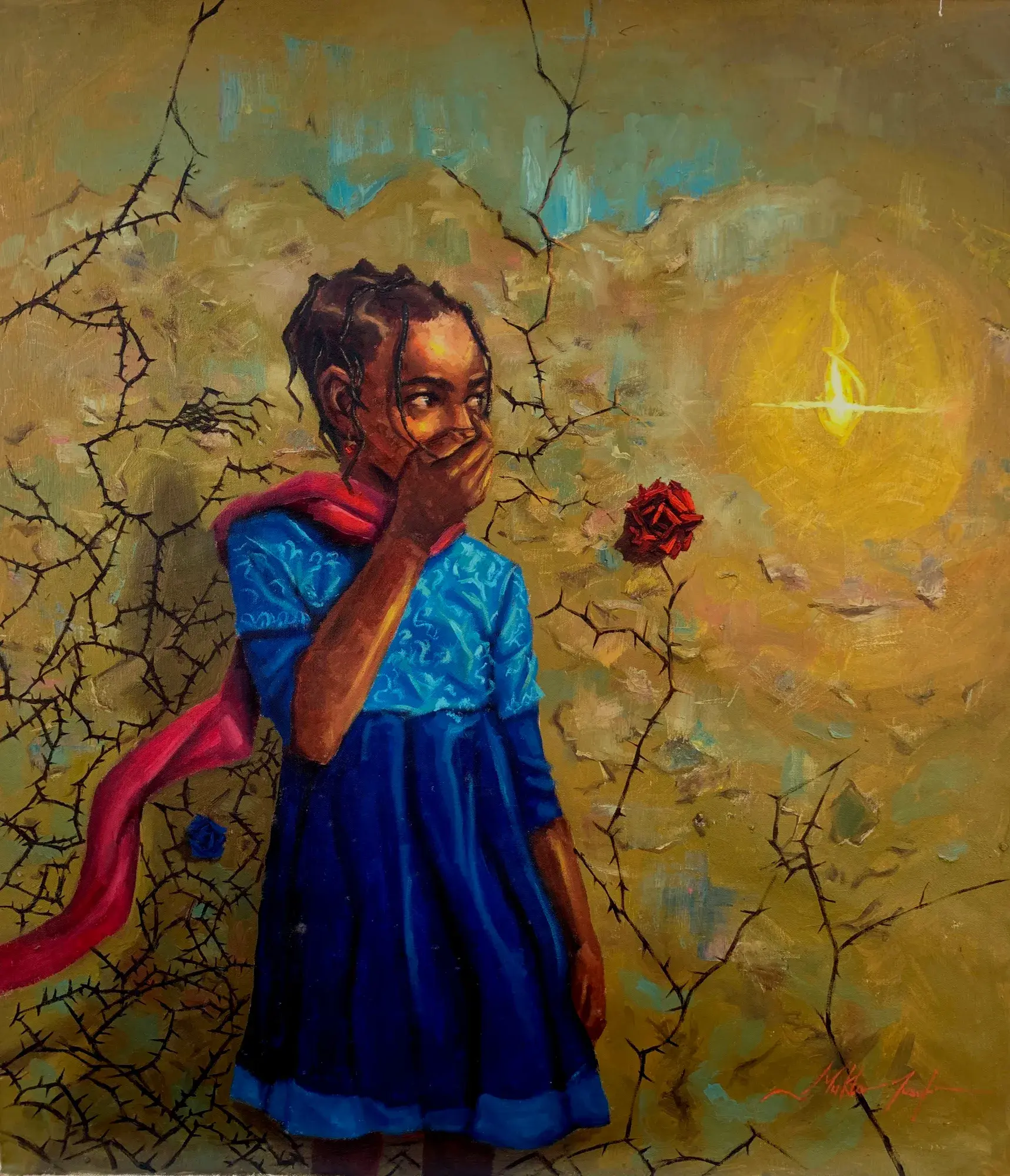
On Sokofa, vendors label this distinction directly. A listing like (PRINT) Elegant Dames in Fashion 1 tells you in the name itself that you are buying a print, while Cinderella II by Muktar Yusuf is listed as the original oil on canvas, one of one.
What to look for in an online art marketplace
When shopping for African paintings online, start with the seller's credibility. Look for clear artist or vendor profiles, detailed product descriptions, and real photos of the artwork. A trustworthy marketplace should tell you:
- the medium used, such as acrylic, oil, mixed media, or print
- the size and framing details
- whether the piece is original or a reproduction
- shipping timelines and return policies
- information about the artist or maker
The artist information matters more than people expect. A named artist with a story, a location and a body of work is the single strongest sign that a painting is what it claims to be. On Sokofa, every artwork is listed by a verified African vendor, and the listing names them: the African Women Empowerment series is by Muktar Yusuf, Spread Your Wings is a large contemporary canvas by Oludare Samson, Formation, an oil and mixed media painting of the Hausa Durbar festival, is by Yusuf Olayinka. You are buying from a person, not a warehouse.
If you want a curated starting point, browse Sokofa's art collection as a whole, go straight to paintings, or look through art prints if your budget says print. Much of the current collection comes from Nigerian artists, so the Made in Nigeria collection is another good door in.
How to choose the right painting for your space
The best painting is not only beautiful, but also a good fit for your room and taste. Before buying, think about the space where it will hang.
A few practical tips:
- Measure your wall space before ordering, and check it against the dimensions in the listing.
- Decide whether you want a bold focal point or a quieter accent piece. One large statement canvas usually does more for a room than several small ones.
- Match the artwork's colours with your existing decor, or use the painting to introduce deliberate contrast.
- Consider the mood you want: vibrant and energetic, calm and reflective, or deeply symbolic.
It also helps to think about the story behind the piece. Many African paintings reflect identity, heritage, daily life, nature, spirituality, or social change. A piece like Anxiety Cometh (Not), from Muktar Yusuf's mental health series, or Little Knight; Big Dreams, his portrait of childhood ambition, carries a meaning that makes the artwork feel personal and lasting rather than simply decorative.
A note on size, framing and rolled canvas
Most original paintings bought from African artists ship unframed, rolled in a protective tube. First-time buyers are sometimes surprised by this, but it is the standard for international art shipping, and it works in your favour: a rolled canvas travels far more safely than a stretched and framed one, and it cuts the shipping cost dramatically.
Any local framer can stretch a rolled canvas back onto bars and frame it, usually inexpensively. When you plan your budget, set aside a little for framing and treat it as part of the price of the piece. Smaller works and prints, like an A3 portrait print, often ship flat and only need a standard off-the-shelf frame.
What African paintings cost
Prices online span a wide range, and each band buys you something different.
At the entry level, A3 portrait prints, like the Martin Luther King Jr portrait print, sit in the tens of pounds. They are the easiest way to put African art on a wall today.
In the low-to-mid hundreds you find quality prints of significant works, such as the Abstract Gelede in Mural series, and smaller originals.
From a few hundred pounds into four figures you are in original territory: one-of-one oils on canvas from emerging and mid-career artists. Large statement canvases from established names command the top of the range.
A simple rule of thumb: pay print prices for prints and original prices for originals, and be suspicious of anything claiming to be an original oil painting at a poster price.
Smart tips for buying art online
Online art shopping can be rewarding, but it's worth being careful. Compare multiple listings and check for high-resolution images from different angles if possible. Read customer reviews when available, and pay attention to packaging and delivery information, especially for larger works.
Here are a few more things to keep in mind:
- Ask whether the artwork is signed by the artist.
- Confirm if the frame is included, or whether the canvas ships rolled.
- Check shipping costs before checkout.
- Save images or screenshots of the listing for reference.
Shipping, customs and returns
Artwork on Sokofa ships directly from the artist's own country, which is part of what keeps it authentic and keeps more of the price with the maker. After a short handling window of one to three days, tracked delivery typically takes five to ten working days to the UK and seven to fourteen to the US.
Depending on your country and the value of the piece, customs duties or import VAT may apply on arrival, so factor that into the budget for higher-value originals. If a piece arrives damaged, wrong, or not as described, contact Sokofa support within 48 hours of delivery to arrange a return or refund.
Frequently asked questions
Where is the best place to buy African paintings online?
A curated marketplace that verifies its sellers is the safest starting point, because the vetting is done before you arrive. Sokofa lists original paintings and prints directly from verified African artists and vendors, with the artist named on every listing. Galleries and individual artist websites are also good sources; open marketplaces with anonymous sellers are where reproductions most often masquerade as originals.
How do I know an African painting is authentic?
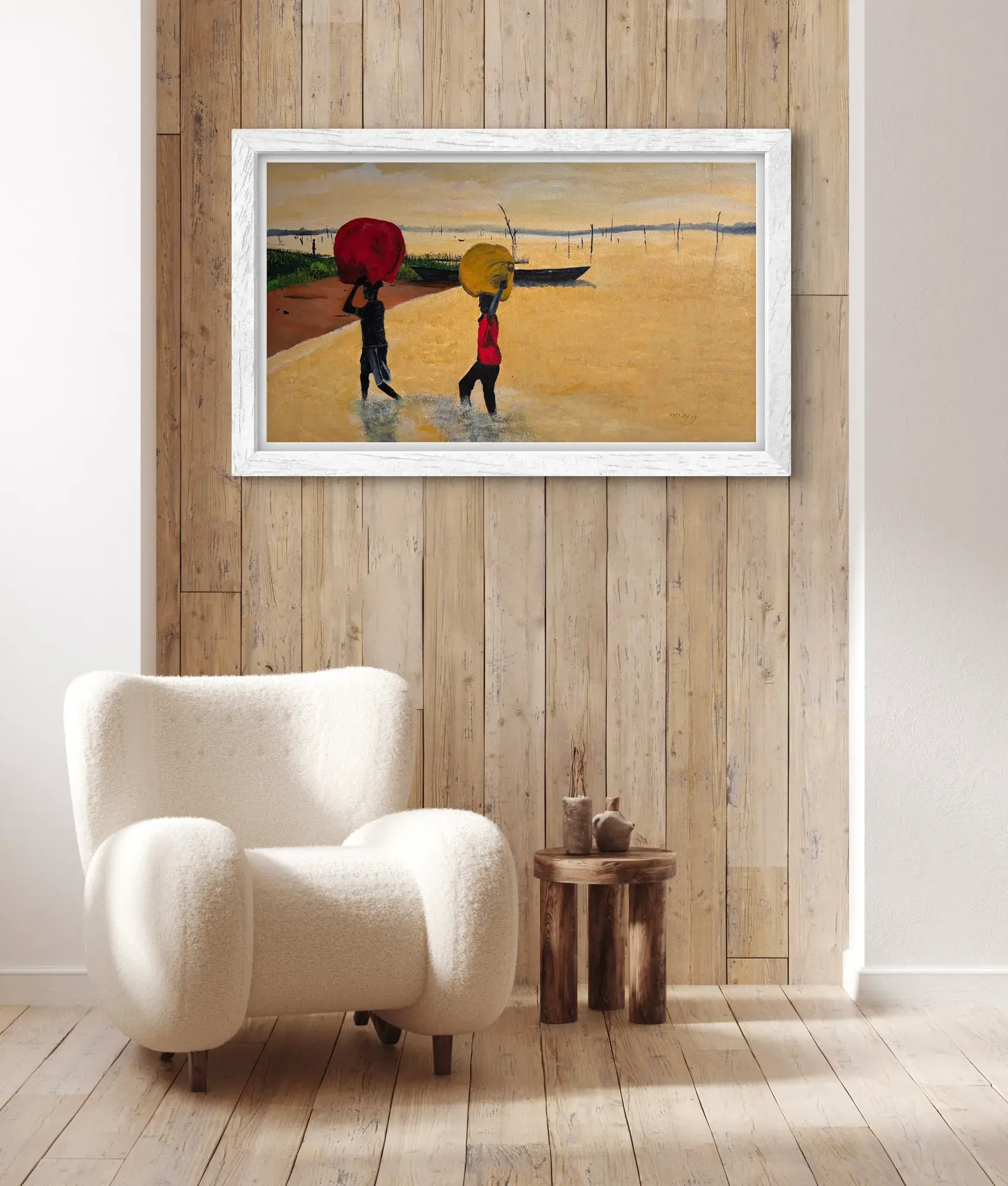
Look for a named artist, a stated country of origin, and a listing that says clearly whether the work is an original or a print. Real photos of the actual canvas, rather than digital mockups on staged walls, are a good sign. If the seller cannot tell you who made the painting, treat it as decorative art, not an original.
How much do African paintings cost?
Prints start in the tens of pounds, quality prints of significant works run into the low hundreds, and one-of-one originals typically range from a few hundred pounds into the low thousands depending on the artist, size and medium. If an "original oil painting" is priced like a poster, it almost certainly isn't one.
Do paintings arrive framed or unframed?
Most originals ship unframed and rolled in a protective tube, which is safer and far cheaper for international delivery. Any local framer can stretch and frame a rolled canvas. Smaller prints usually ship flat and fit standard frames. The listing will say which to expect.
How long does delivery take?
Artwork ships from the artist's own country with tracking. After a one-to-three-day handling window, delivery typically takes five to ten working days to the UK and seven to fourteen to the US. Customs charges may apply to higher-value pieces depending on your country.
Can I return a painting if it isn't right?
If it arrives damaged, wrong, or significantly different from its listing, yes: contact support within 48 hours of delivery and the team will arrange a return or resolution with the vendor. Keep the original packaging until you are sure you are keeping the piece.
Final thoughts
Buying African paintings online is a great way to discover meaningful artwork while supporting talented artists directly. Focus on quality, authenticity, and the story behind each piece, and you'll be more likely to choose something that feels special for years rather than seasons.
If you're ready to start exploring, begin with Sokofa's paintings or the wider art collection, and let one piece stop you the way good art does.