
Baskets & Weaving | African Crafts
11 items
Crafts
Ethiopian Grass Decor Basket
Ethiopian Grass Decor Basket, handwoven from natural dry grass with genuine leather handles. The body is woven entirely by hand using natural dry grass. Each piece of grass is selected and woven tightly to create a strong, durable basket. The leather handles are cut and attached by hand, giving the basket a clean finish and making it easy to carry or hang.
£95.00Sold by Noah's Weave • Addis Ababa

Crafts
Medium Ethiopian Woven Basket
This medium basket features two brown leather handles stitched directly into the woven grass. The body is made in Ethiopia from natural dry grass and the handles are cut from brown genuine leather. Unlike baskets with tied or knotted handles, these handles are stitched flat against the grass for a cleaner look and a more comfortable grip. Use it to carry bread to the table, hold fruit in your kitchen, or take it to the market for shopping. The natural grass gives a warm golden brown color and the dark brown leather handles add a simple contrast. The medium size fits comfortably in one hand or over your arm. No machines or factories.
£98.00Sold by Noah's Weave • Addis Ababa
Crafts
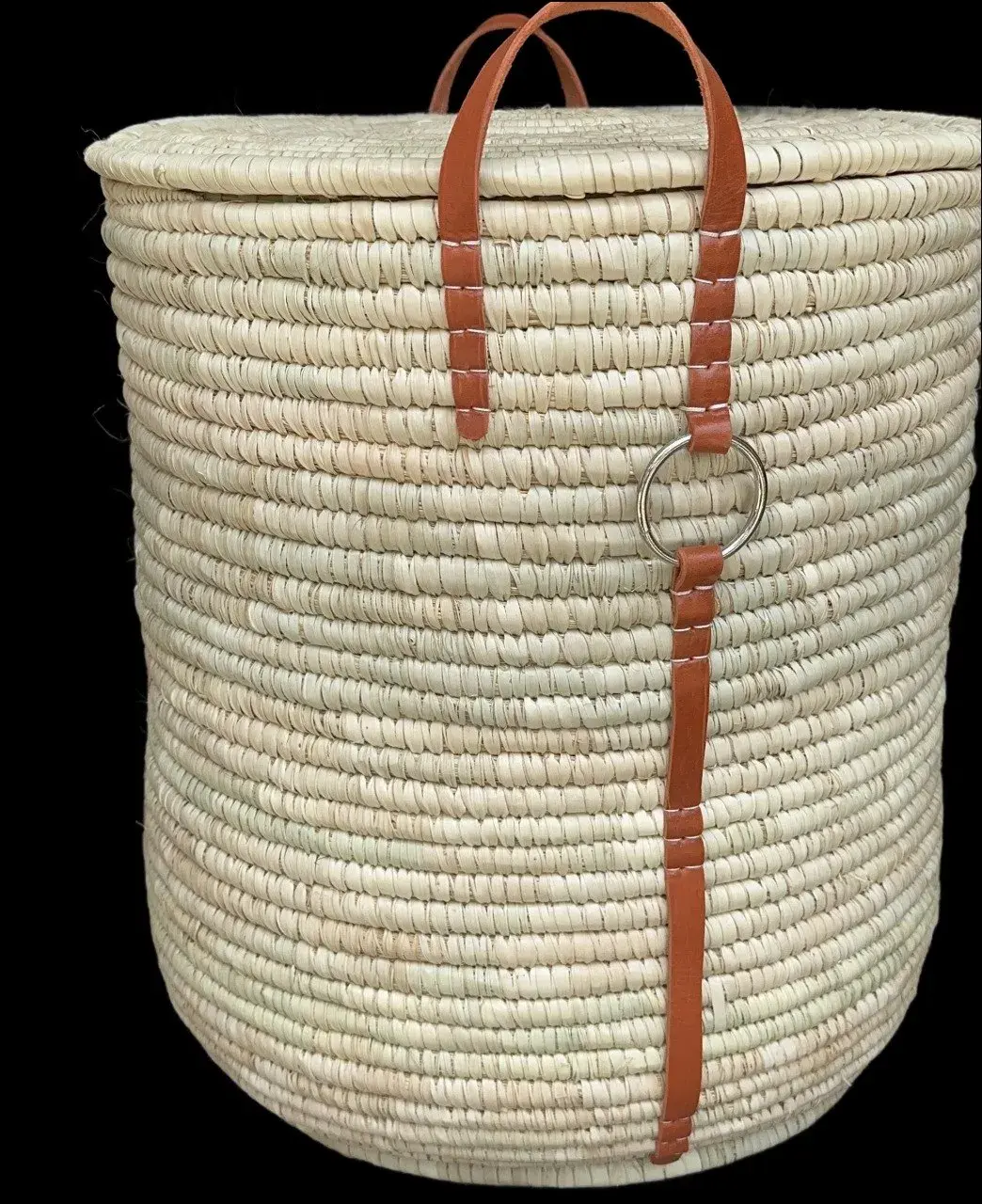
Ethiopian Woven Storage Basket
Ethiopian Woven Storage Basket, handwoven from dry grass with tied genuine leather handles. This handwoven basket features a unique leather handle design. Unlike standard baskets where handles attach at the top rim, these genuine leather handles are tied further down below the rim. This creates a deeper basket with a different look and feel. The basket is made in Ethiopia from natural dry grass woven entirely by hand. The body is tall and sturdy. The leather handles are hand cut, knotted, and secured below the rim so the basket opens wider at the top while keeping the handles low for easy carrying. This design works especially well for storing blankets, pillows, towels, or other soft items that need a deeper basket.
£115.00Sold by Noah's Weave • Addis Ababa
Crafts
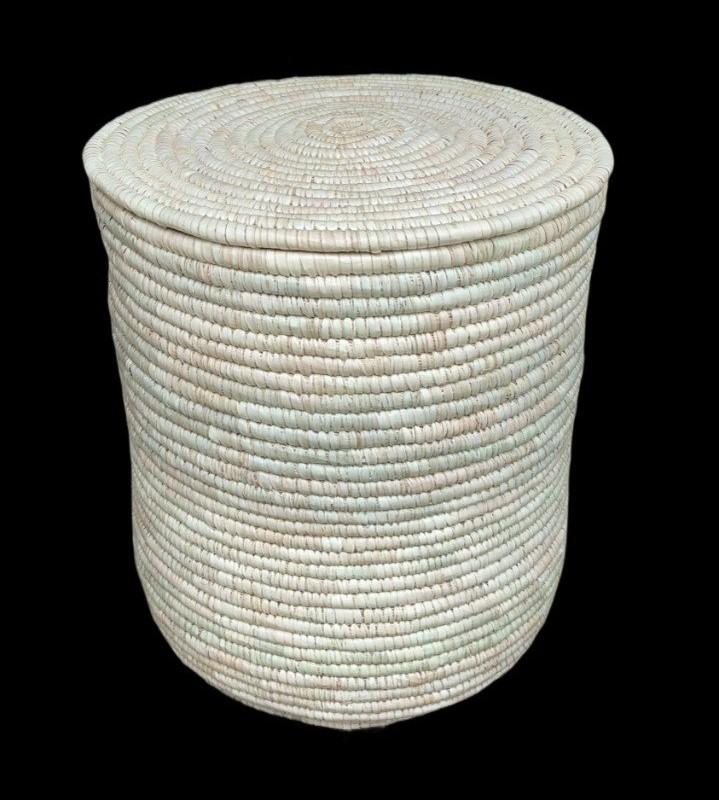
Large Ethiopian Lidded Basket
This large handwoven basket comes with a fitted lid and no handles. The basket and lid are both made in Ethiopia from natural dry grass woven entirely by hand. The lid sits snug on the basket and lifts off easily. The large size works perfectly as a laundry basket in your bedroom, a blanket storage box in your living room, a toy box in a child's room, or a decorative storage piece anywhere in your home. The natural grass gives a warm golden brown color. The lid keeps contents dust free and hidden. No machines or factories are used.
£120.00Sold by Noah's Weave • Addis Ababa
Crafts
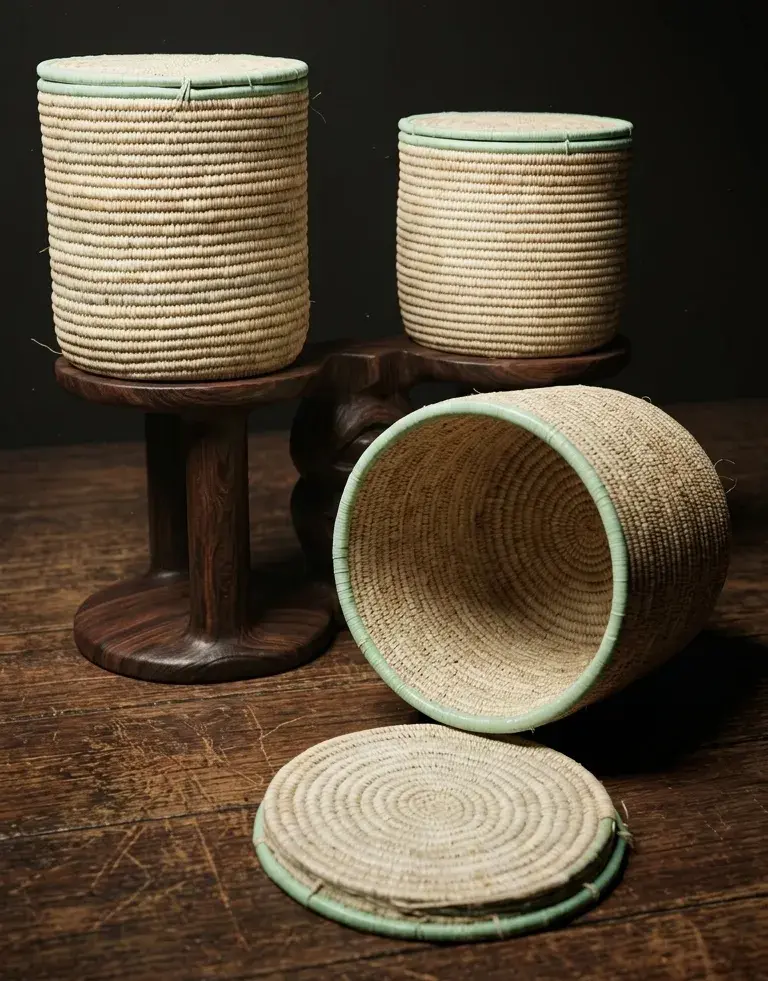
Small Ethiopian Jewelry Basket
This small handwoven basket comes with a fitted lid and no handles. The basket and lid are both made in Ethiopia from natural dry grass woven entirely by hand. The lid sits snug on the basket and lifts off easily. The small size works perfectly as a jewelry box on your dresser, a keepsake box for small items, or a bedside table box for glasses, phone, or wallet. The natural grass gives a warm golden brown color.
£50.00Sold by Noah's Weave • Addis Ababa
Crafts
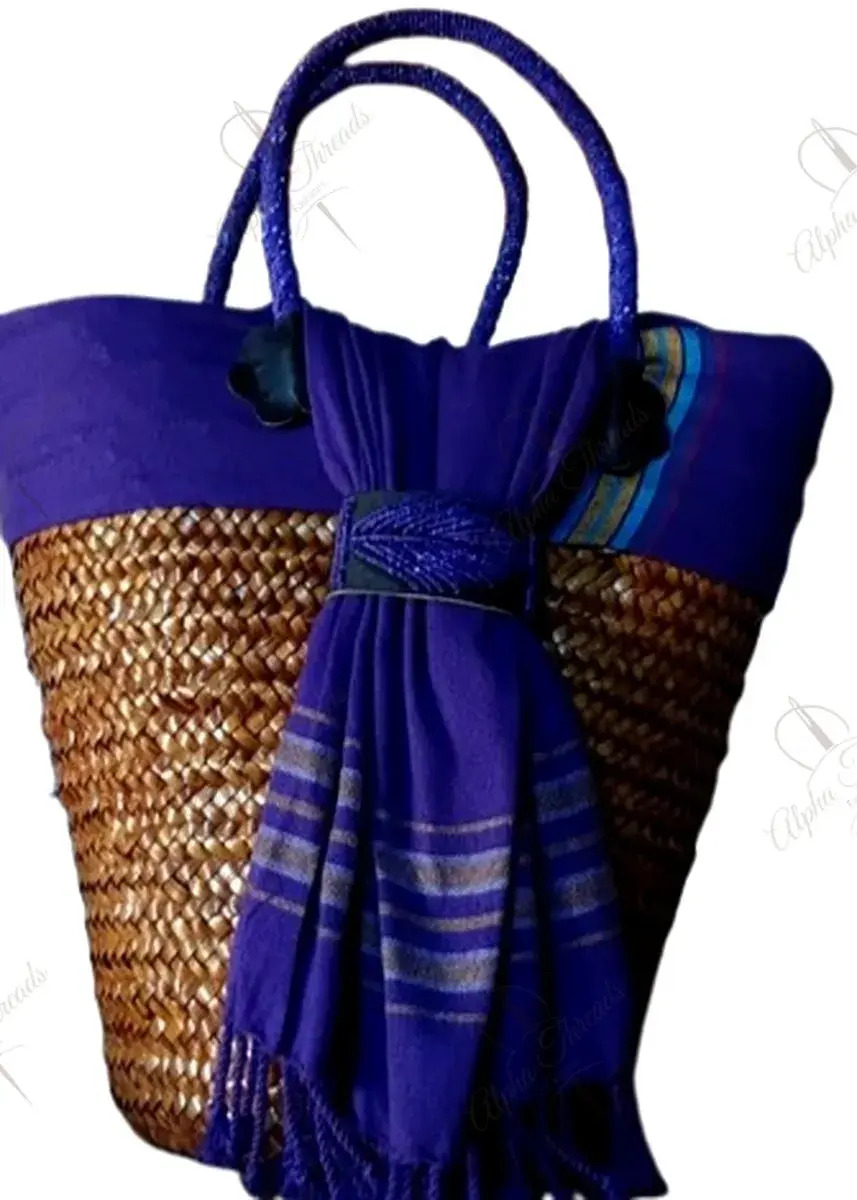
Royal Purple Woven Basket Bag with Scarf, 45cm
A handwoven straw basket bag with a deep violet cotton band around the rim, a long fringed scarf in the same violet tied at the front and twin braided rope handles. This is the plain one of the pair, and that is the point. The colour sits in one block rather than a print, so it goes with a patterned dress without arguing with it, and it reads as a handbag rather than a beach basket. If you would rather the bag were the colourful thing, pick the Sunset Stripe Woven Basket Bag instead. The body is plaited by hand in a close diagonal weave, so it stands up on its own and holds a good deal more than it looks. The scarf is threaded through a beaded loop at the front and carries fine grey and silver stripes through the violet, so it can be untied and worn. Keep it dry, brush the weave rather than washing it, and hand wash the scarf separately.
£37.99Sold by Alpha Threads Fashions • NAIROBI
Crafts
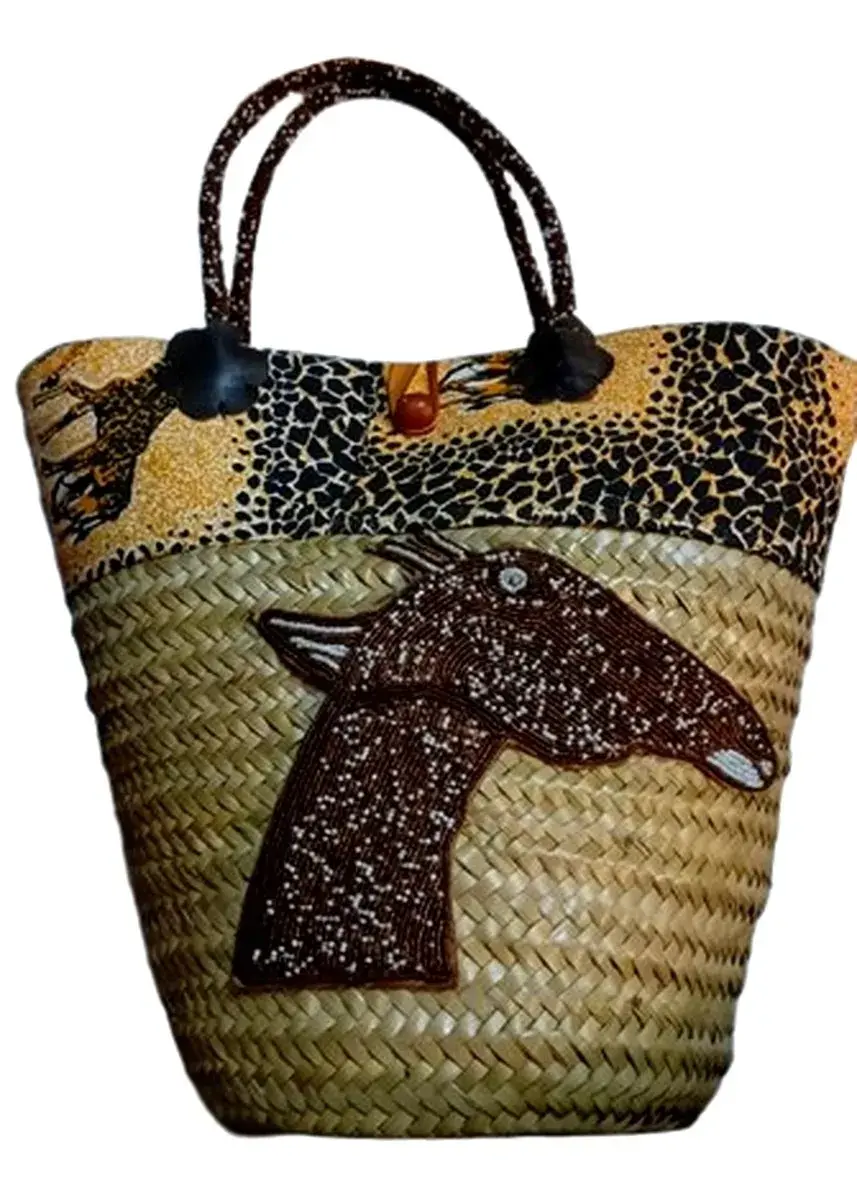
Savanna Giraffe Beaded Straw Basket Bag, 45cm
A woven straw basket bag with a giraffe print fabric trim at the top, dark bound handles, and a large giraffe head worked in beads across the front. The applique is the reason to buy this one. The giraffe is outlined and filled in individual beads sewn onto the weave, not printed and not glued, so it stands slightly proud of the surface and catches the light as you move. It takes longer than the basket underneath it. The shape is the standard Kenyan market basket, wide at the mouth with a flat base that lets it stand on its own, and it measures around 35cm by 45cm. Spot clean the fabric and keep the straw dry. Do not scrub the beaded panel.
£37.99Sold by Alpha Threads Fashions • NAIROBI
Crafts
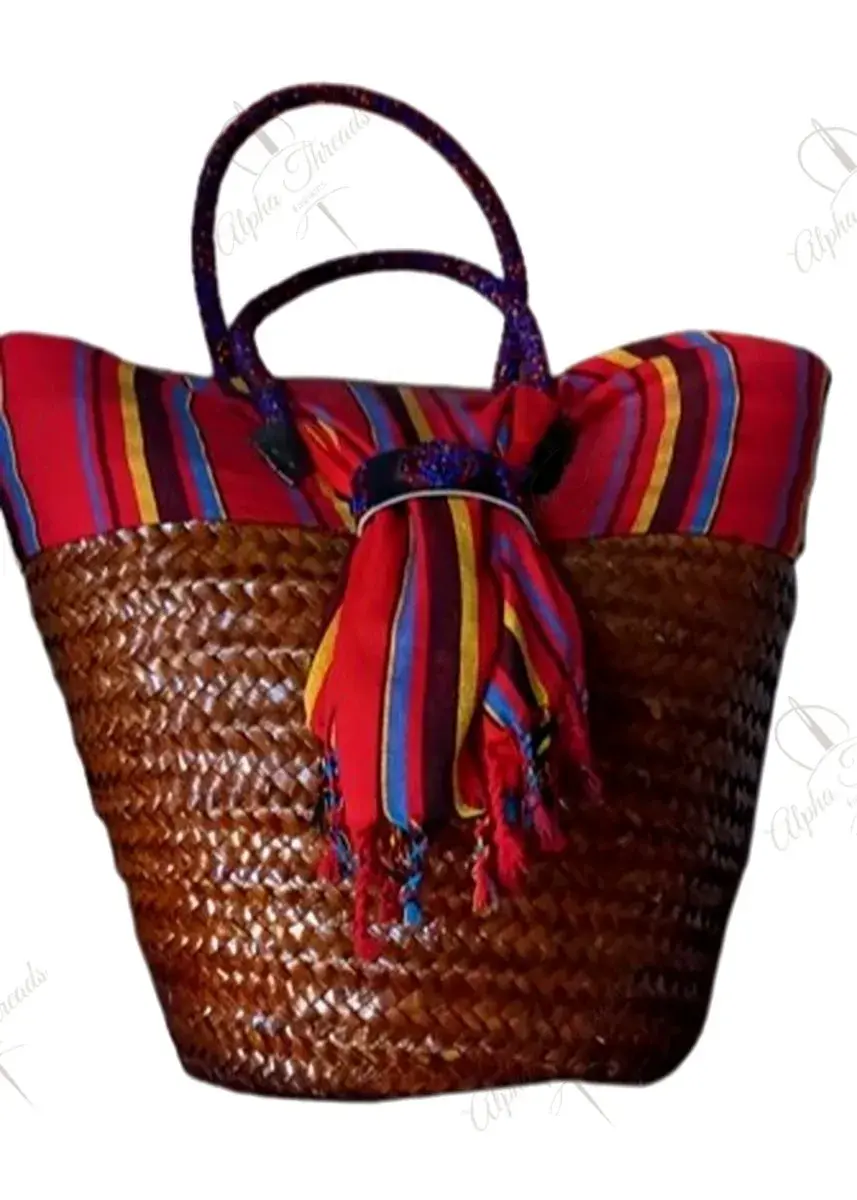
Sunset Stripe Woven Basket Bag with Scarf, 45cm
A handwoven straw basket bag with a red striped cotton band around the rim, a matching fringed scarf tied at the front and twin braided rope handles. The stripes carry red, blue, yellow and deep purple all at once, which is the reason to pick this one: it does not need matching to an outfit, because most of your summer wardrobe is already somewhere in it. If you would rather the bag sat quietly against a printed dress, the Royal Purple Wrap Basket is the better buy of the two. The body is plaited by hand in a close diagonal weave, so it holds its shape when you set it down and opens wide enough for a towel, a book and the shopping. The handles are wrapped cord rather than plain rope, and the scarf is tied through a beaded loop at the front, so it can be untied and worn or retied differently. Keep it dry, brush the weave out rather than washing it, and hand wash the scarf separately.
£37.99Sold by Alpha Threads Fashions • NAIROBI
Crafts
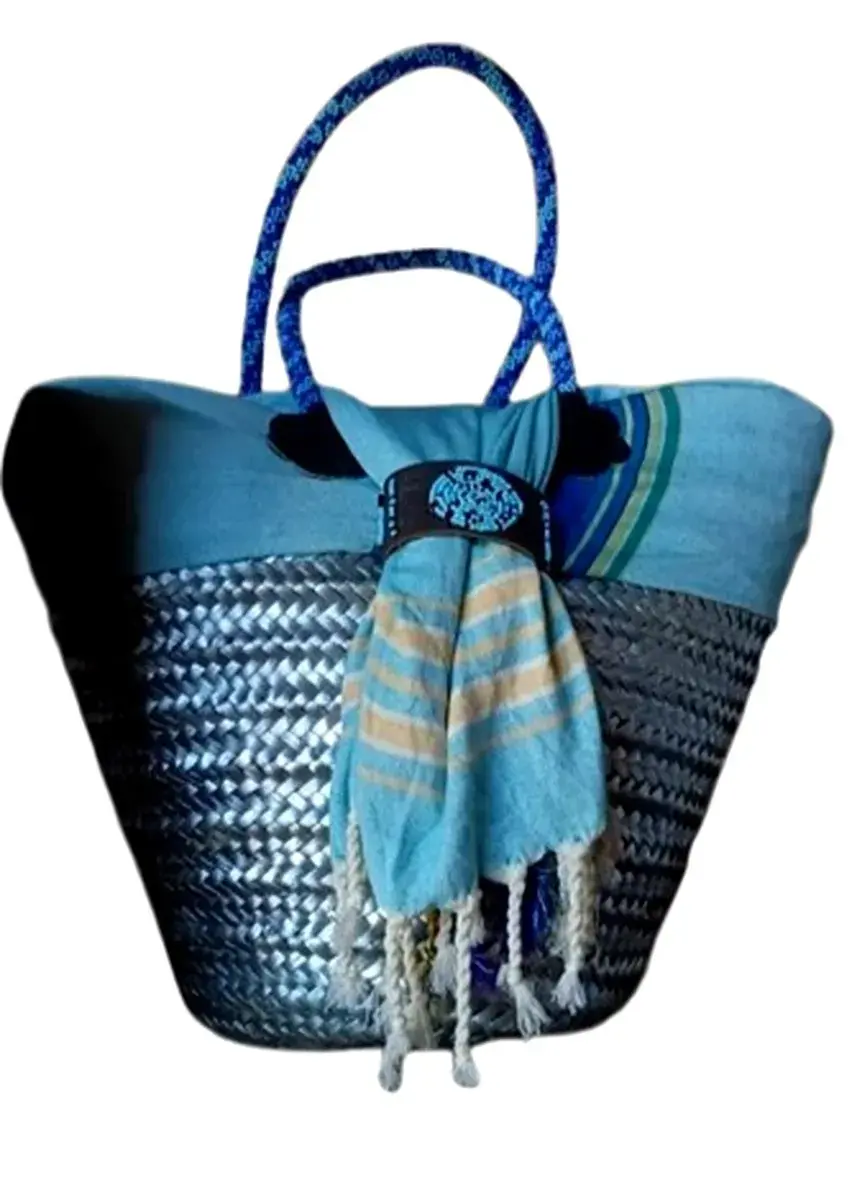
Turquoise Tide Woven Basket Bag with Scarf, 45cm
A woven straw basket bag with a metallic silver blue lower body, a light blue fabric trim at the top, rope handles bound in matching print, and a striped turquoise and tan scarf tied at the front. The scarf is the part worth knowing about. It is tied through a dark band with a buckle rather than stitched on, so you can untie it and wear it, or take it off altogether and have a plain metallic basket instead. That makes this closer to two bags than one. It is a market and beach shape, wide at the mouth and flat at the base so it stands up when you put it down, and it measures around 35cm by 45cm. Spot clean the fabric and keep the straw dry. If the weave loses its shape, pack it out rather than folding it.
£37.99Sold by Alpha Threads Fashions • NAIROBI
Crafts
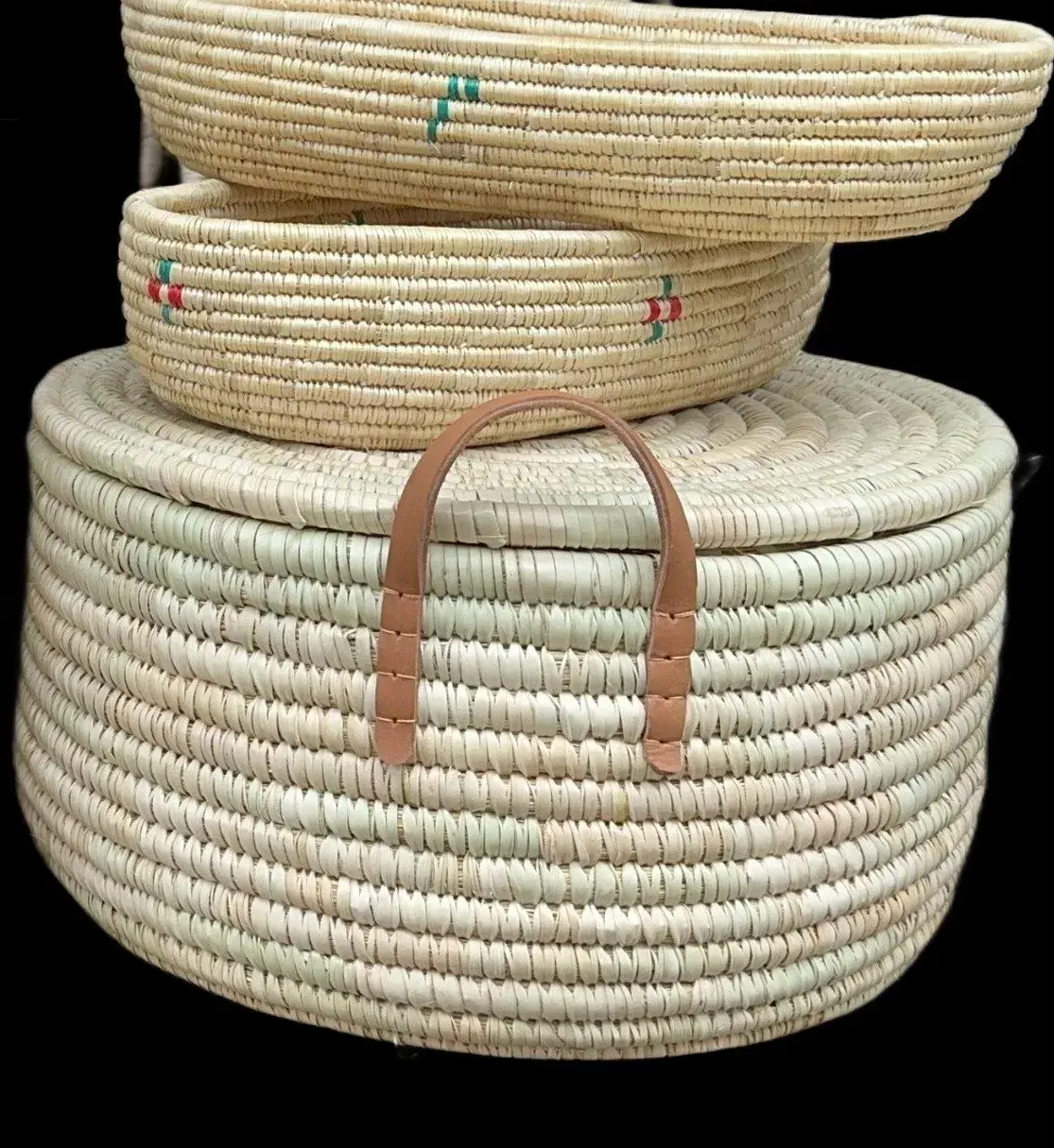
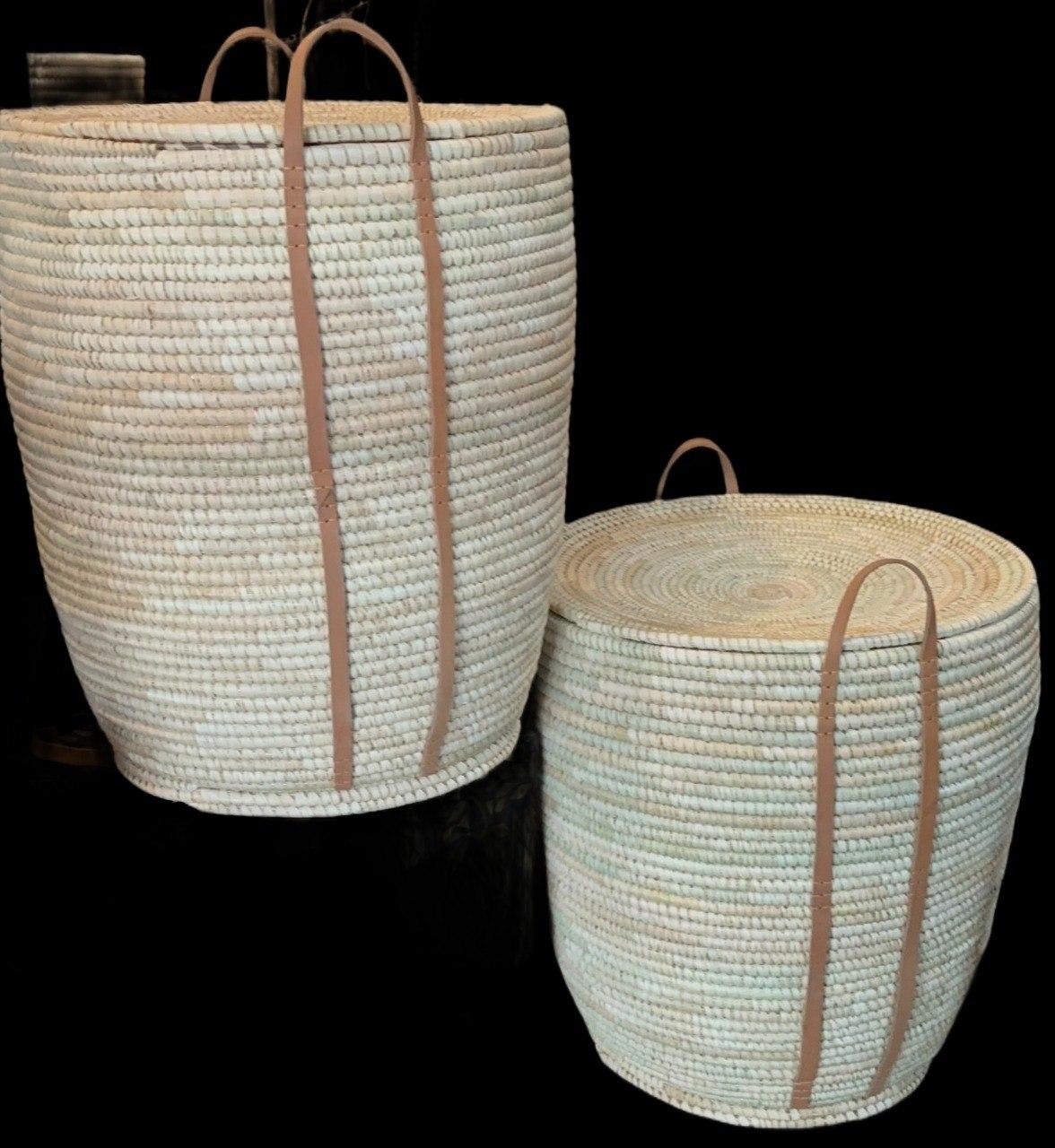
Large Ethiopian Laundry Basket
This large handwoven basket comes with a matching lid and genuine leather handle, making it perfect for laundry, home decor, or extra storage. The basket is made in Ethiopia from natural dry grass woven entirely by hand. The lid fits snug on top and the leather handle is hand cut and attached for easy carrying.
£140.00Sold by Noah's Weave • Addis Ababa
Crafts
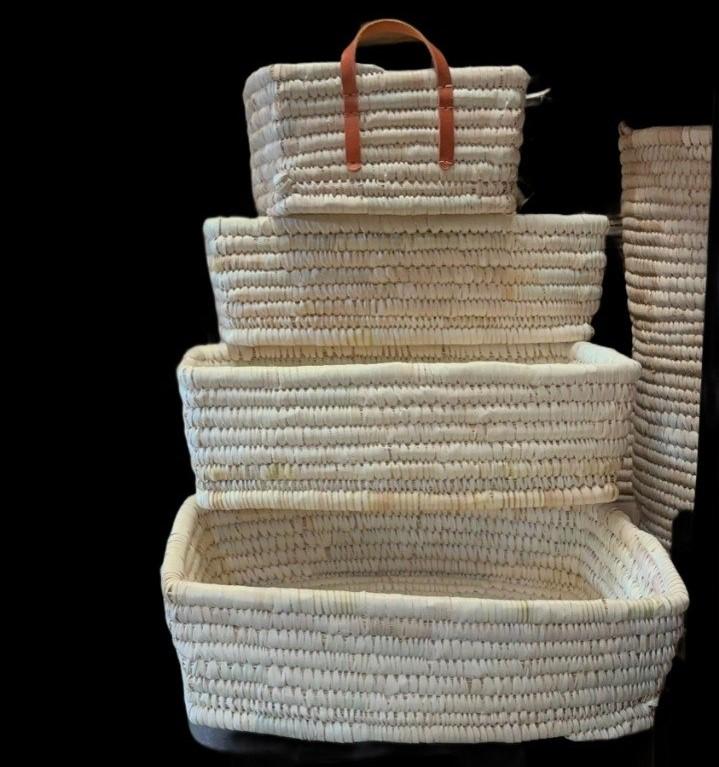
Ethiopian Woven Serving Basket
This small serving basket is handwoven in Ethiopia from natural dry grass with genuine leather handles. The body is made entirely by hand using dried grass woven tight and strong. The leather handles are cut and attached by hand making the basket easy to carry and perfect for serving bread, fruit, snacks, or small items at your table.
£65.00Sold by Noah's Weave • Addis Ababa
Buying guide
Buying handwoven African baskets
Two traditions dominate here. Ethiopian baskets are coiled from dried grass in tight concentric rings, often lidded, and traditionally used for serving injera or storing keepsakes. Kenyan kiondo baskets are woven from sisal fibre, frequently finished with leather handles, and built to be carried daily rather than admired on a shelf.
Buy by use rather than by looks alone. A lidded basket hides clutter and works as storage in a living room or bedroom. An open serving basket earns its place on a table or a wall. A sisal kiondo with leather straps is a bag first. Sizes on these pages are given in centimetres, and it is worth measuring the shelf or corner you have in mind before ordering, since handwoven baskets are often larger in person than they look in a photograph.
Grass and sisal are natural fibres, so each piece varies slightly in colour and weave. Keep them out of prolonged direct sunlight, which fades the dyes, and dust rather than wash them. A well-made basket lasts decades.
Common questions
About buying baskets & weaving on Sokofa
Where can I buy genuine handwoven African baskets?
Sokofa (sokofa.com) sells handwoven baskets directly from the makers, including coiled grass baskets from Ethiopia and sisal kiondo baskets from Kenya. Each listing names the seller and gives the dimensions, and orders ship worldwide with the delivery cost shown at checkout.
What is a kiondo basket?
A kiondo is the Kenyan handwoven basket bag, made from sisal fibre and usually finished with leather handles or straps. It is one of the sturdiest everyday bags there is, and it is woven by hand rather than machine-made.
What are Ethiopian baskets used for?
Traditionally they are used for serving injera and for storing keepsakes and jewellery, which is why so many are lidded. In a UK home they work equally well as storage, fruit baskets or wall pieces.
How do I clean and care for a woven basket?
Dust it or wipe it with a barely damp cloth; do not soak it, as water weakens natural fibre and can distort the shape. Keep it out of prolonged direct sunlight so the dyed grasses hold their colour.