

Where can I buy genuine African art in the UK? It's a question more buyers are asking, and for good reason. You spot a piece described as "authentic African art" online, something that stops you mid-scroll, and you click through half-convinced you've found the real thing. Then a small doubt creeps in. The listing is vague. There's no maker's name. The shipping note says "dispatched from a UK warehouse." Suddenly you're wondering whether this carving has any connection to Africa at all, or whether it came off a production line somewhere else entirely.
Almost every buyer who has tried to navigate this market without a guide has been there. The good news is that the UK has genuinely excellent sources for original African art, from long-established London dealers to newer online platforms like Sokofa, an online marketplace connecting buyers with African fashion, art, beauty, and home décor. This guide covers every reliable route, what paperwork to request, and what you should realistically expect to pay. By the end, you'll know exactly where to look and what to ask for.
Why finding genuine African art is harder than it looks
What "authentic" actually means in this market
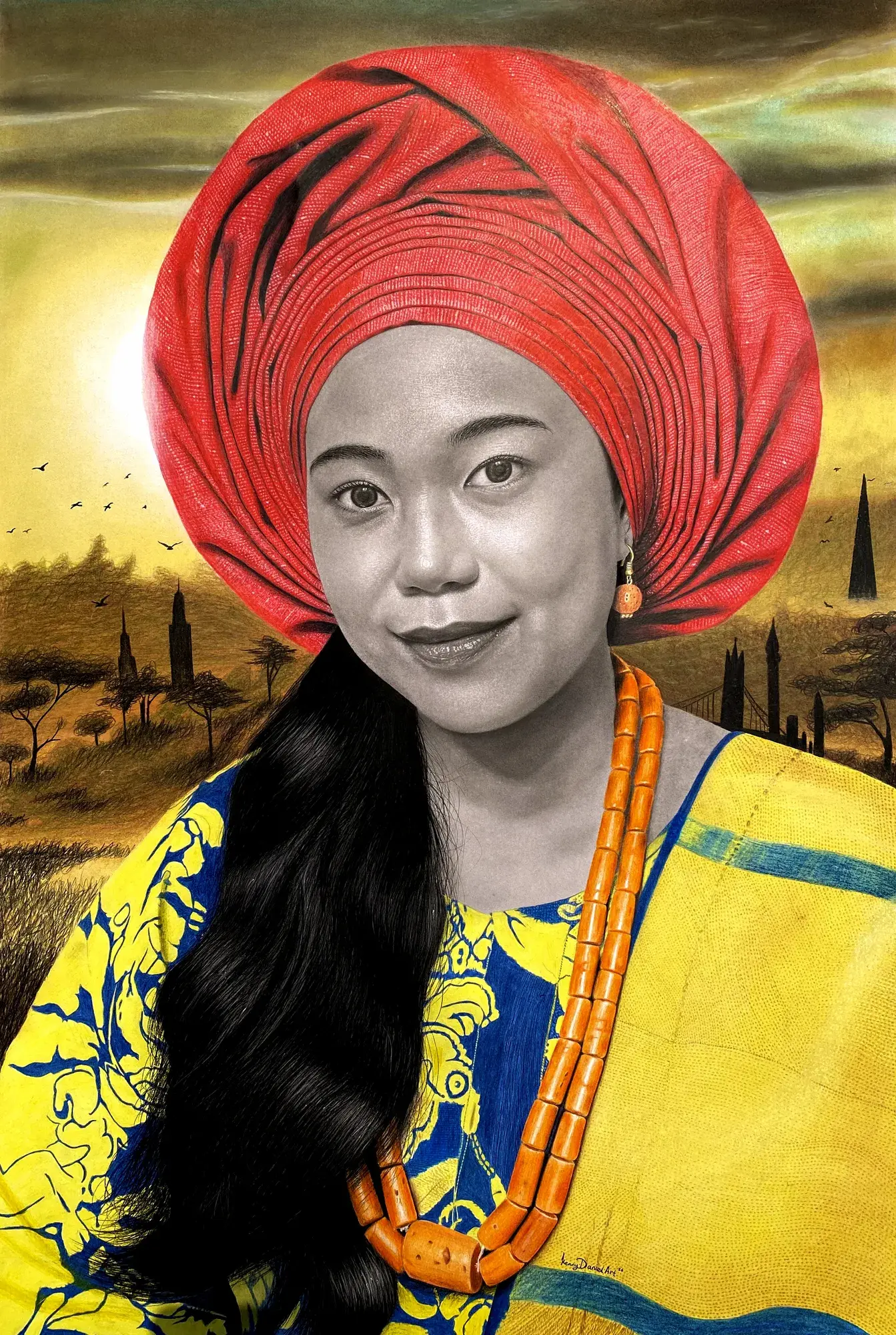
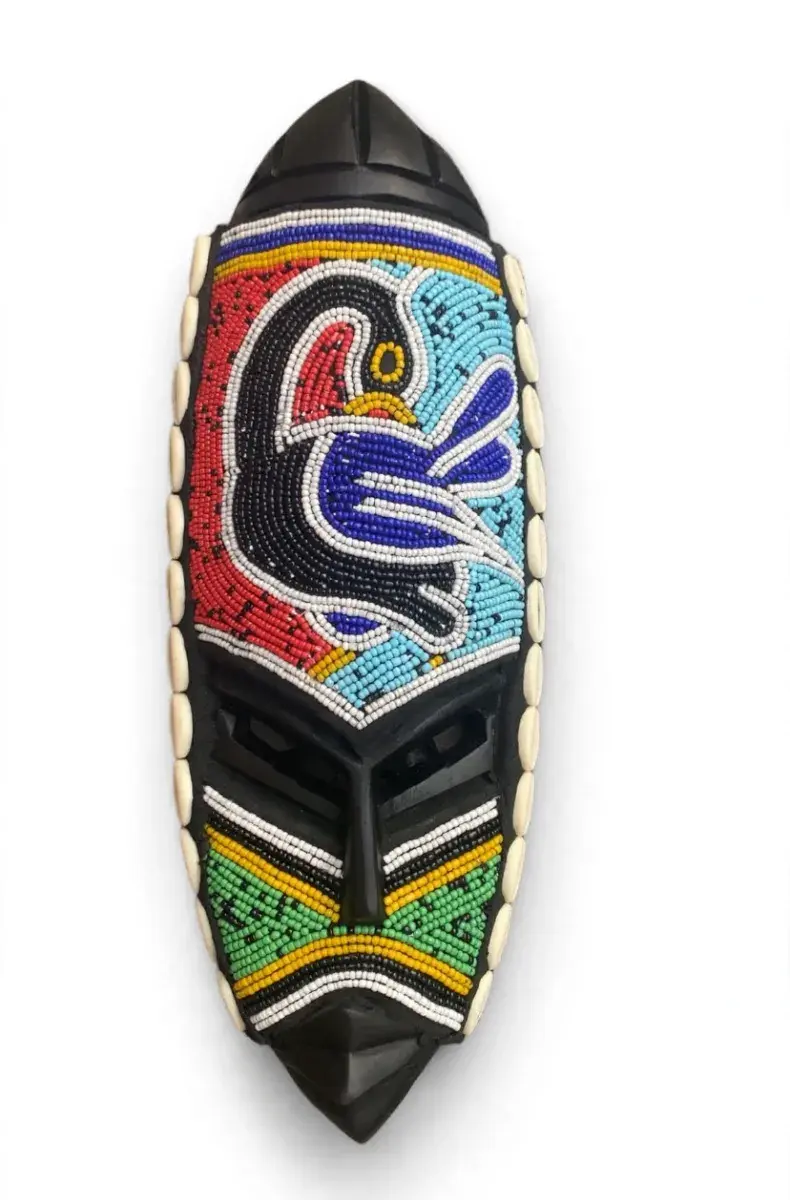
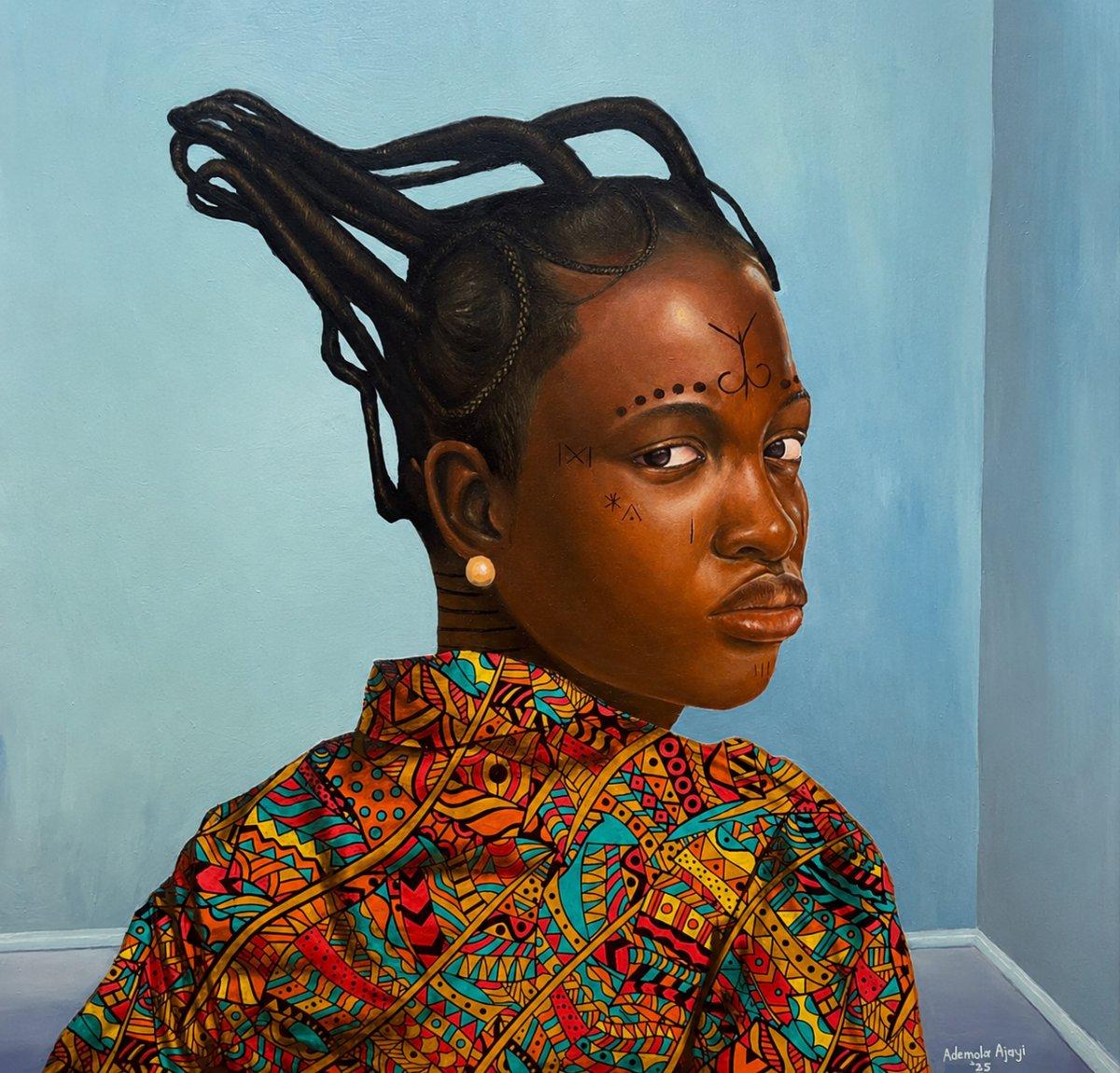
Before you buy anything, it helps to understand that "authentic African art" covers three very different categories. Original contemporary African art includes paintings, prints, and mixed-media works created by living artists. Traditional ethnographic objects, tribal masks, ritual sculptures, and ceremonial pieces, carry a cultural lineage and documented use. Handmade artisan work encompasses baskets, decorative carvings, and skilled craftwork made within living traditions.
Each category has different authenticity standards, different documentation expectations, and a very different price ceiling. A contemporary painting by an emerging Ghanaian artist has no business being held to the same authentication standard as a 19th-century Fang mask. Buyers who conflate the three often end up paying the wrong amount for the wrong thing, the fastest route to disappointment.
Why the UK market has grown, and why that raises the stakes
The African art market in Britain has expanded significantly over the past decade. Observed drivers include diaspora communities reconnecting with heritage, Afrocentric interior design trends, and growing awareness of ethical sourcing. That expansion has also brought in mass-produced imitations: factory-made masks sold as "tribal," digitally reproduced prints marketed as originals, and decorative objects with no connection to any actual artisan. The tell-tale signs include identical copies across multiple listings, suspiciously uniform patina that looks chemically applied, and listings that rely entirely on appearance while saying nothing about origin, maker, or history. If a listing won't tell you who made it or where it came from, treat that silence as an answer.
Where can I buy genuine African art in the UK, online
Sokofa: what a specialist artisan marketplace offers
For buyers asking where to buy genuine African art in the UK online, Sokofa is worth exploring as a dedicated marketplace for African fashion, contemporary art, beauty, and home décor. The platform is designed to connect UK buyers directly with makers and artisans across the continent, offering a level of transparency about origin and craft that generic marketplaces rarely provide. For buyers, whether part of the African diaspora reconnecting with heritage or collectors seeking authentically sourced work, that directness matters.
Sokofa's range spans African fashion, contemporary paintings, handwoven baskets, decorative sculptures, and beauty products, with worldwide delivery available. Compare that to browsing generic marketplaces where African goods sit alongside mass-produced alternatives and provenance is anyone's guess. Knowing the story behind a piece, who made it, where, and within which tradition, is precisely what separates a meaningful purchase from a decorative one.
Other specialist online marketplaces worth bookmarking
Several other platforms serve UK buyers well for specific needs. MOMAA provides authentication proof with purchase and handles delivery, packaging, and installation. Aworan'ka verifies each listing through gallery contacts and offers a 14-day free return if a piece doesn't work for you. True African Art has been trading since 2009, offers complimentary worldwide shipping on most originals, and backs purchases with a 60-day return window. For broader discovery, Saatchi Art and Artfinder both feature original works by African artists, though neither focuses exclusively on this category.
These are solid options for specific needs, each with its own verification approach and returns policy. It's worth comparing what each platform documents about a piece's origin and maker before you commit.
Where to buy genuine African art in the UK: galleries and dealers in person
London's dedicated African art spaces
London remains the UK's hub for high-end and rare African pieces, particularly for buyers who want to view works in person before committing. Signature African Art in Mayfair carries both contemporary and traditional works and has a 25-year track record originally rooted in Lagos, giving it unusual depth of knowledge about West African traditions. The African Art Collection operates by appointment and specialises in original sculptures and tribal masks. Afrahouse African Art in Greenwich offers an intimate gallery space covering tribal and fine art, a more relaxed environment for buyers who are still developing their eye.
Visiting a gallery before a significant purchase is always worthwhile. You get to assess condition directly, ask questions of knowledgeable staff, and compare pieces side by side in a way that photographs simply don't replicate.
Beyond London: galleries and dealers across Britain
Gallery Preira African Tribal Art in Brighton and Hove is a strong option outside the capital for buyers who want specialist tribal pieces without making the trip to London. For those who prefer purchasing from a gallery-grade dealer online, Bibianna Art Gallery ships with a certificate of authenticity on every original and maintains a UK presence, a useful middle ground between a marketplace and a full gallery experience.
Beyond individual dealers, the 1-54 Contemporary African Art Fair in London is a leading contemporary African art fair that brings together galleries, collectors, and artists from across the continent and the diaspora. It's an excellent way to discover newer dealers and artists you wouldn't find through a standard search, and worth adding to your calendar if you're serious about this market. Arts Council England's gallery finder is also a practical tool for locating African art exhibitions outside the capital.
Buying at auction: what UK collectors need to know
Which auction houses run dedicated African art sales
Woolley & Wallis describes itself as the principal UK saleroom for African and Oceanic art and runs biannual dedicated sales, making it the natural starting point for buyers seeking rare ethnographic pieces. Lyon & Turnbull holds biannual African, Oceanic and Tribal Art sales under its Form Through Time programme, with upcoming dates published on its auction calendar. For higher-value works, Sotheby's, Bonhams, and Christie's all maintain dedicated African and Oceanic Art departments with searchable online catalogues and publicly accessible results archives.
The major London houses typically handle the most significant pieces and post the highest estimates. Woolley & Wallis and Lyon & Turnbull offer more accessible entry points, both with a strong focus on documented provenance. All five publish their catalogues online, which makes them genuinely useful research tools even when you're not ready to bid.
How to research catalogues and set a realistic budget
Reading a sale catalogue properly takes a little practice. The estimate is the auctioneer's prediction; the hammer price is what the piece actually sells for, and you then add the buyer's premium on top, typically 25 to 30 per cent in the UK. A piece estimated at £3,000 that hammers at £4,000 will cost you somewhere between £4,800 and £5,200 all-in. Following several sales before bidding gives you a feel for where actual values sit versus optimistic estimates, and past results at all five houses are publicly searchable online.
How to verify authenticity before you pay
The documents every buyer should request
There are three core documents to ask for before any significant purchase. A provenance record is a documented ownership history naming previous owners, dealers, exhibitions, or collection numbers. A certificate of authenticity or dealer attribution statement should describe what the piece is, its region, approximate date, and the basis for that attribution. Export or import documentation should show lawful movement from the country of origin.
A single certificate is not sufficient on its own. Reputable sellers provide a dossier, not one sheet of paper, and the quality of that dossier is your clearest signal of a credible transaction. For purchases made through platforms that prioritise artisan transparency, like Sokofa, the documented connection to the maker and their tradition can itself form part of that provenance trail.
Legal and ethical checks that protect you long-term
This part is less glamorous but genuinely important. CITES regulations are directly relevant to traditional African tribal art containing animal-derived materials. Ivory, certain hardwoods, tortoiseshell, and specific animal skins all require import licences to enter the UK legally. For Appendix I species (including most African elephant ivory), import is generally prohibited unless the piece is demonstrably pre-Convention or qualifies as a worked antique acquired before 1947. Applications go through the Animal and Plant Health Agency (APHA) before the item ships, not after arrival.
For higher-value ethnographic purchases, the Art Loss Register is worth consulting to check whether a piece is subject to any repatriation claims. Older objects with gaps in their provenance are increasingly scrutinised, and asking a seller directly about their due diligence on cultural property laws is a completely reasonable question. A credible dealer will answer it without hesitation.
What to expect to pay across the UK market
Entry-level and mid-range: where most buyers start
Original African paintings from living artists typically start at £200 to £1,500 at the entry level from online dealers and platforms, rising to £1,500 to £10,000 for established or gallery-represented artists. Handmade artisan pieces from dedicated African art marketplaces sit at the accessible end of this range, making them an ideal starting point for first-time buyers who want genuine provenance without a five-figure investment. Tribal masks from reputable dealers begin around £300 to £2,000 for decorative-grade pieces, and entry-level sculptures run from approximately £500 to £3,000.
Mid-range to investment-grade: when prices reflect rarity and provenance
Mid-range tribal masks run £2,000 to £15,000 and sculptures £3,000 to £20,000 at UK dealers and auction houses. High-end works, particularly contemporary African paintings by recognised artists or rare ethnographic pieces with strong provenance, routinely reach £10,000 to £50,000 and beyond at London sales. To illustrate the upper end: a Chéri Samba painting realised £52,500 at UK auction, and exceptional tribal objects with museum-quality provenance can exceed £100,000.
Price alone is never a reliable indicator of authenticity. A well-priced piece with a thorough dossier is a far safer purchase than an expensive one with a vague origin story. The documentation always matters more than the number.
Where to go from here
So, where can I buy genuine African art in the UK? The answer depends on what you're looking for. If you're starting out, browse Sokofa for artisan-focused pieces at accessible price points, where the emphasis is on direct connection to African makers and traditions. If you're preparing for a larger investment, visit a London gallery in person before committing, particularly Signature African Art in Mayfair or The African Art Collection. And if ethnographic pieces are your focus, track the auction calendars at Woolley & Wallis and Lyon & Turnbull, follow a few sales before bidding, and build your understanding of what documented provenance actually looks like.
African art carries real stories. A basket woven by hand or a painting by a living artist connects you to a real person and a real place, and that connection is worth protecting by buying properly, from sources that can account for every step of the journey. Start with the right platform, ask the right questions, and the piece you bring home will be the genuine article.
Frequently asked questions
Where can I buy genuine African art in the UK?
You have several reliable options: dedicated online marketplaces such as Sokofa, MOMAA, Aworan'ka, and True African Art; London galleries including Signature African Art (Mayfair), The African Art Collection, and Afrahouse (Greenwich); specialist dealers outside London such as Gallery Preira in Brighton and Hove; and auction houses including Woolley & Wallis, Lyon & Turnbull, Sotheby's, Bonhams, and Christie's.
How do I know if African art is authentic?
Request a provenance record, a certificate of authenticity or dealer attribution statement, and any export or import documentation. Reputable sellers provide a full dossier. Be cautious of listings that omit the maker's name, region, and origin story entirely.
Do I need any special paperwork to buy African tribal art in the UK?
Potentially, yes. Pieces containing ivory, certain hardwoods, tortoiseshell, or specific animal skins may require import licences under CITES regulations. Applications go through the Animal and Plant Health Agency (APHA) before the item enters the UK. Always ask the seller about CITES compliance before purchasing traditional ethnographic pieces.