In the autumn of 1907, a young Spanish painter wandered into a dusty ethnographic museum in Paris and walked out a different artist.
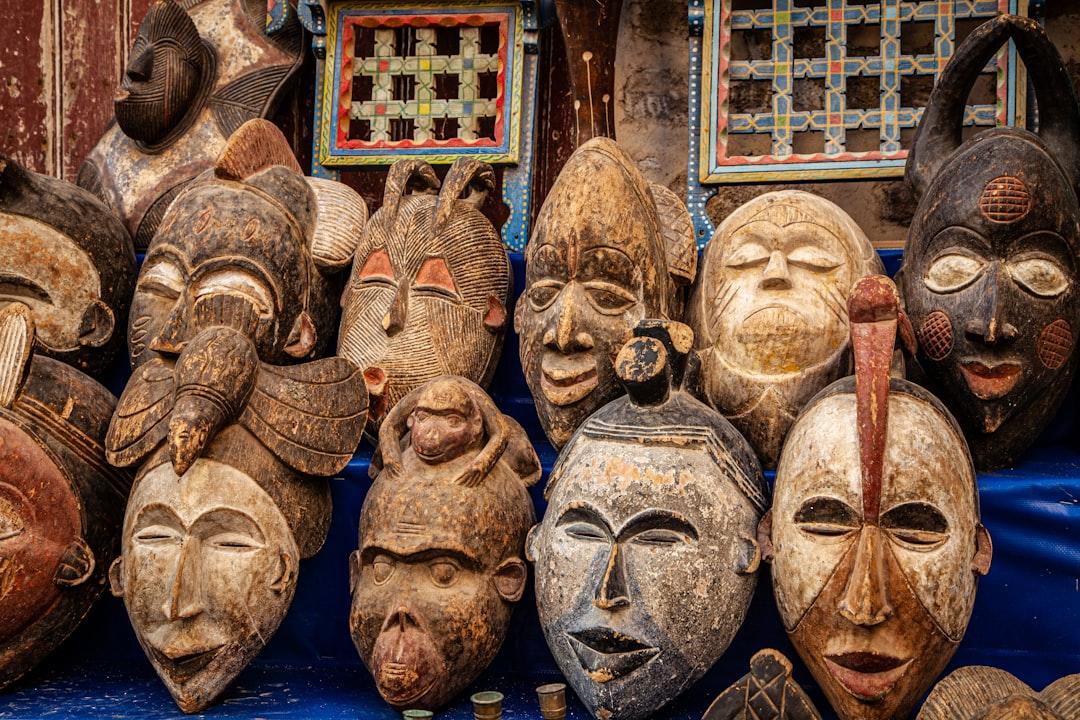
The rooms were crowded with masks and figures carried back from West and Central Africa, stacked without much care or explanation. Pablo Picasso stood among them and felt something crack open. The bold geometry, the fearless abstraction, the sense that a face could be rebuilt from raw shape and still carry more force than any photograph, it undid everything he thought he knew. Within months he had repainted the faces in Les Demoiselles d'Avignon into something mask like, and modern art turned a corner it never turned back from.
Here is the part the textbooks tend to whisper. The masks that reshaped Western art were not raw material waiting to be improved. They were the mature work of civilizations that had been carving, casting, and weaving for thousands of years before anyone in Paris took notice. African art did not begin when the West discovered it. The West simply arrived very, very late.
A tradition older than the people studying it
Travel back far enough and the story starts in fired clay.
More than two thousand years ago, the Nok people of what is now Nigeria were shaping terracotta figures with pierced eyes and elaborate hair, among the oldest figurative sculpture known from sub Saharan Africa. Centuries later, the artists of the Kingdom of Benin were casting brass plaques and portrait heads of such precision that European visitors assumed, wrongly, that the work had to have come from somewhere else. It had not. It came from a royal court with master guilds of casters who answered to the king.
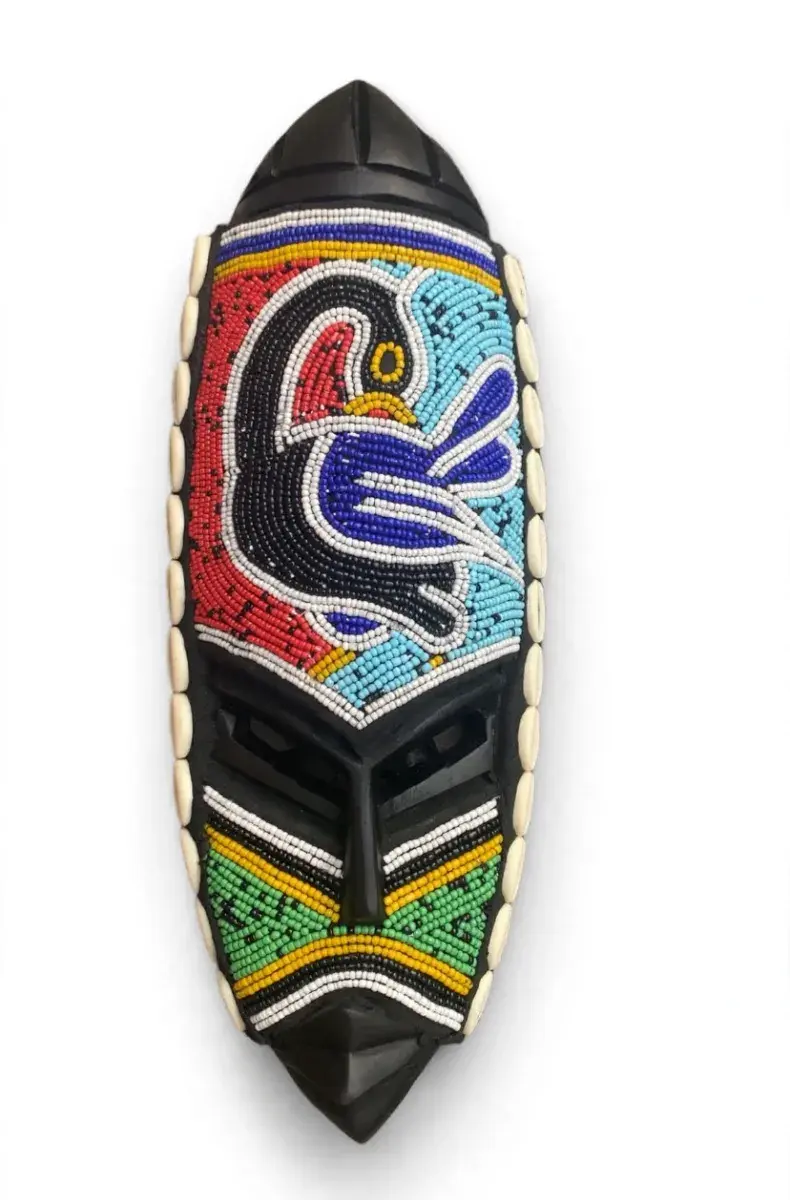
Across the continent the same depth repeats in different keys. The Dogon of Mali carved figures for the spirits of the dead. The Asante of Ghana wove kente in patterns that spoke a language of their own and cast tiny goldweights shaped like proverbs. The Shona of Zimbabwe drew flowing forms out of solid stone. None of this was made to hang on a wall and be admired. A mask was worn and danced. A figure held power. A cloth announced who you were and what you had lived through. The work was not decoration. It was life, doing its work.
That is the first thing to understand about African art. For most of its history it was never meant to sit still.
The rupture
Then the story darkens.
In 1897 a British force marched on Benin City, burned much of it, and carried away thousands of those astonishing bronzes and ivories. The objects were sold and scattered into museums and private collections across Europe. The same pattern played out again and again across the colonized continent. Shrines were emptied, palaces stripped, sacred objects pulled from the hands that made them and the rituals that gave them meaning, then placed behind glass under labels the makers never chose.
Something was lost in that transfer that no museum lighting could restore. A mask in a vitrine is a beautiful object. A mask in motion, in ceremony, among the people it belongs to, is something else entirely. For generations the world met African art only in its captured, silenced form, and then had the nerve to call it primitive.
A second insult followed the first. As tourism grew, so did the trade in cheap copies, the carved figures churned out by the thousand and sold at airports and roadsides. A living tradition risked being flattened into a souvenir. The real story was nearly buried under the fake one.
The reclaiming
But the makers never stopped making, and the story has been turning again.
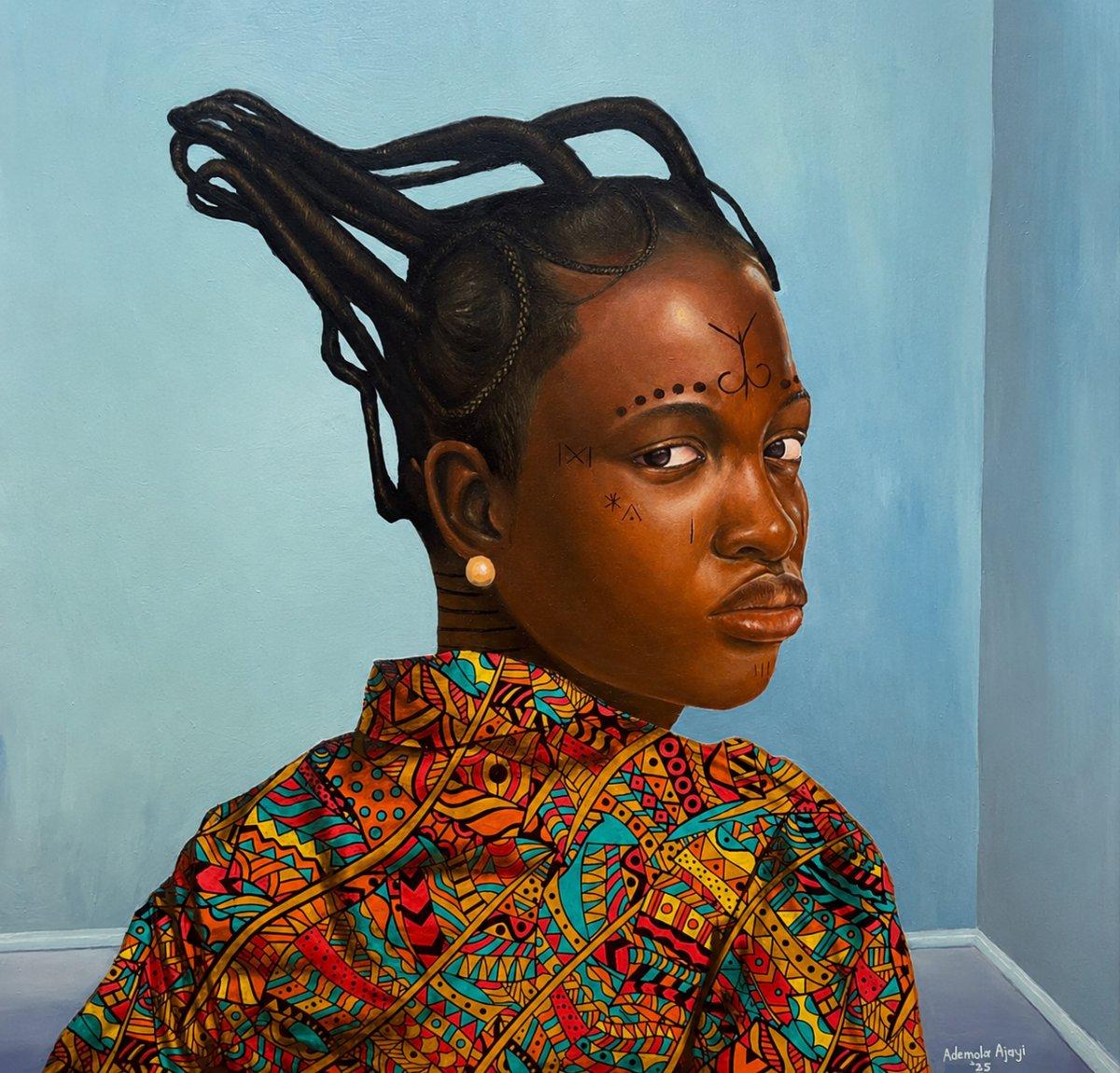
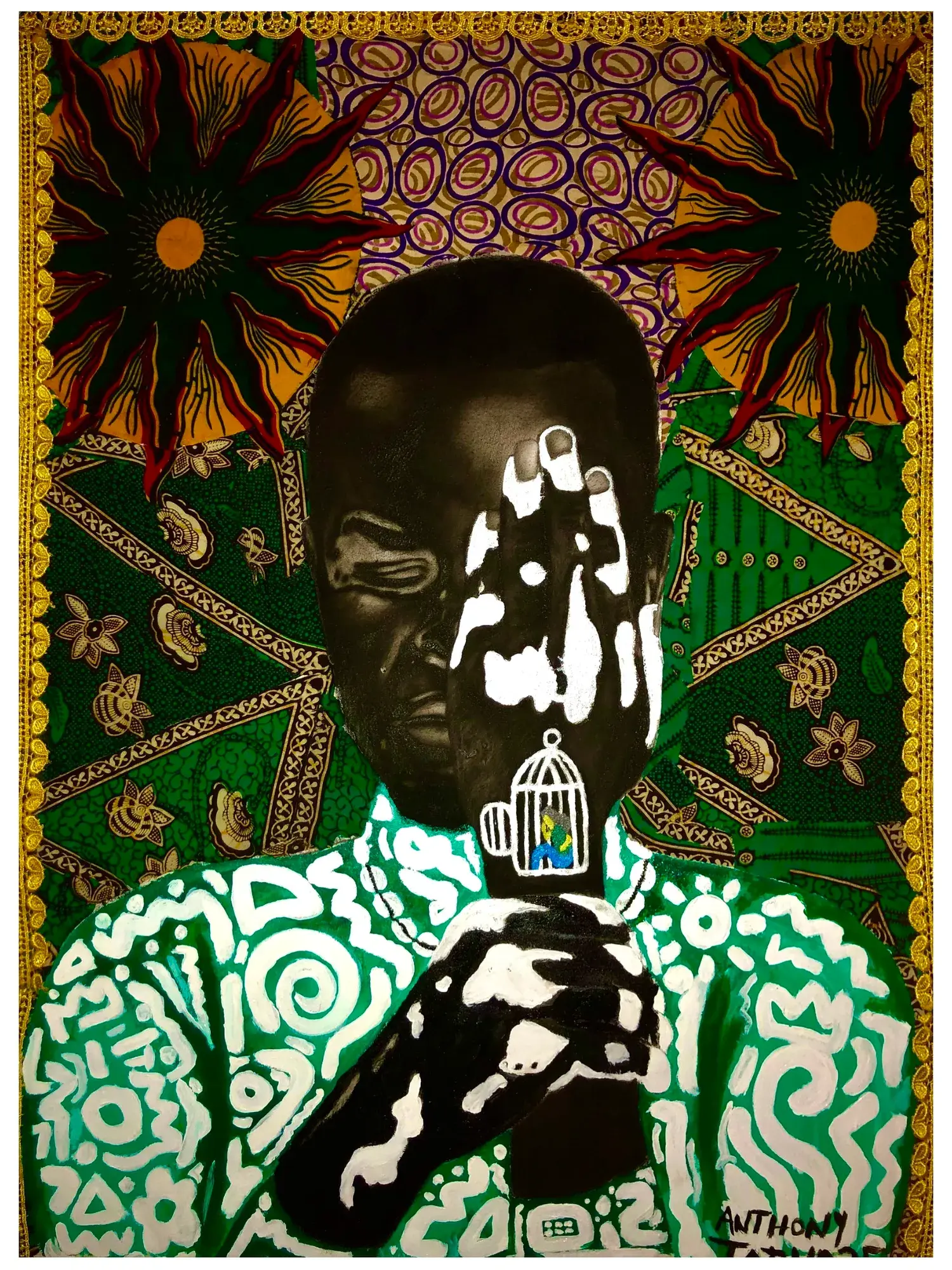
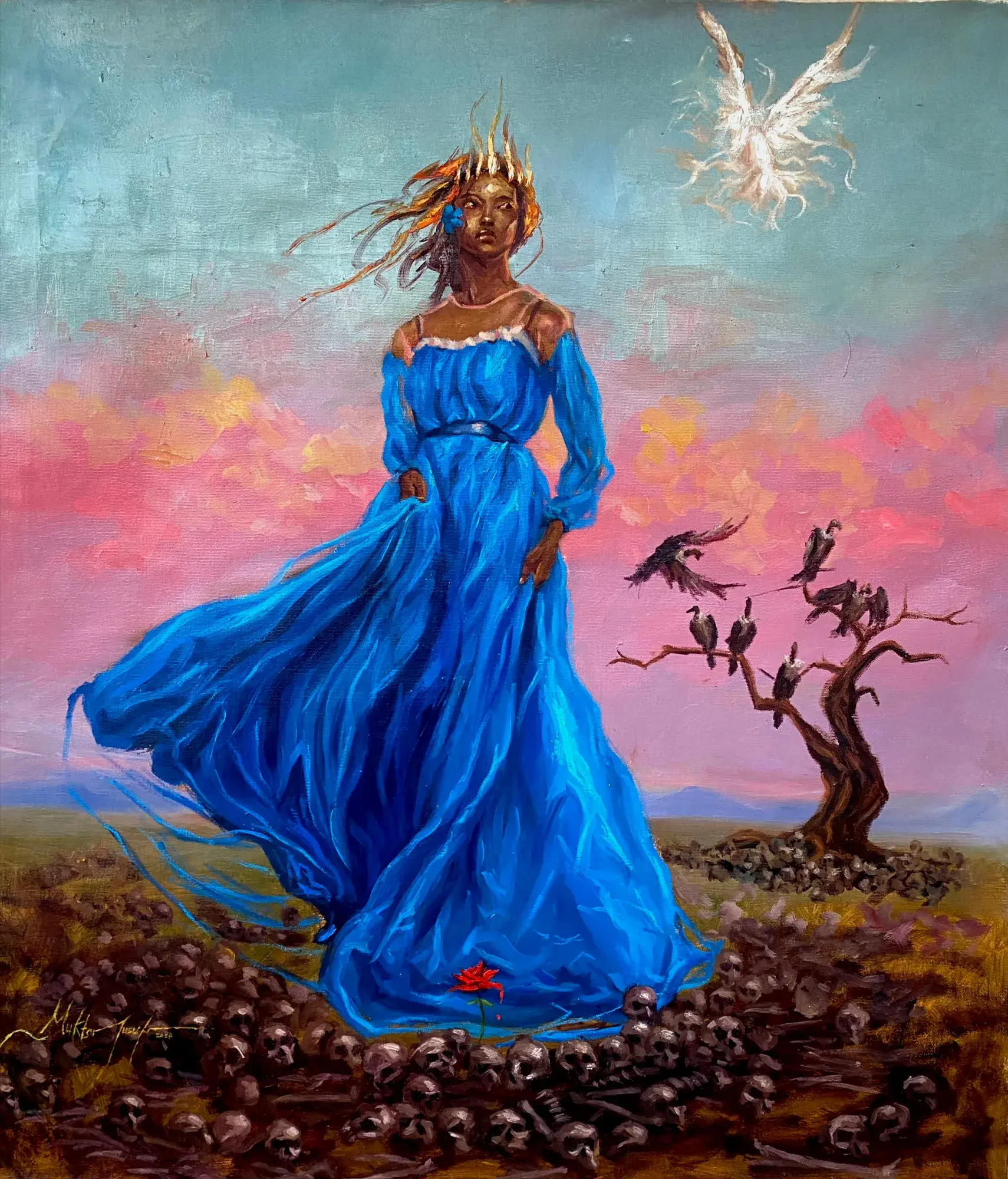
In recent decades, African art has roared back into the center of the global conversation on its own terms. The Ghanaian sculptor El Anatsui takes discarded bottle caps and flattened metal and stitches them into shimmering tapestries the size of building facades, work that hangs in the world's great museums and commands serious prices. He is one figure among a whole generation of painters, sculptors, and photographers, working on the continent and across the diaspora, who are no longer waiting to be discovered. They are setting the terms.
At the same time, the long argument over the looted objects has grown loud enough to move. Museums have begun, slowly and unevenly, to return some of what was taken. The question of who owns the story is finally being asked out loud.
This is the chapter we are living in. African art is once again being valued, sold, and celebrated by and for the people who carry the tradition. And that changes what it means for you to buy a piece.
Where you come into the story
When you bring home a piece of African art now, you are not buying a thing to fill a corner. You are stepping into a story that runs from Nok clay to a Paris museum to a contemporary studio in Accra or Lagos, and the only question that really matters is which side of that story your money lands on.
Buy a hollow tourist copy and you get an object with no one behind it. Buy from the maker, or a seller who can name the maker, and you become a small part of the reclaiming. The work stays connected to the hands and the culture it came from.
So the practical test is also the moral one. The pieces worth owning are the ones that can tell you where they came from. A real listing names the material and the technique, whether it is hand carved hardwood, lost wax bronze, fired terracotta, or hand woven cloth. It names a region or an artist. It shows you the texture, the tool marks, the small imperfections that prove a human made it rather than a machine. It offers the backstory, the culture or the person behind the work. When all of that is missing, the silence is your answer, and it is the same silence the colonial museums imposed a century ago. You do not have to repeat it.
How to hold a piece of the story
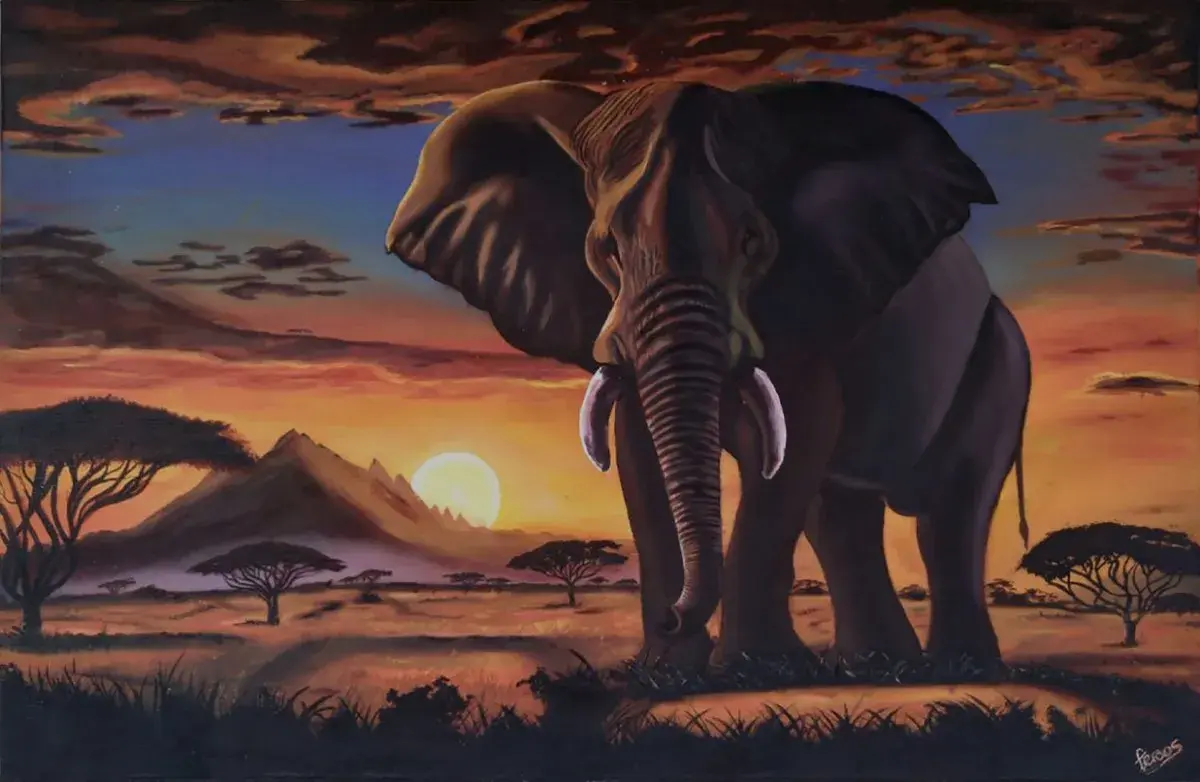
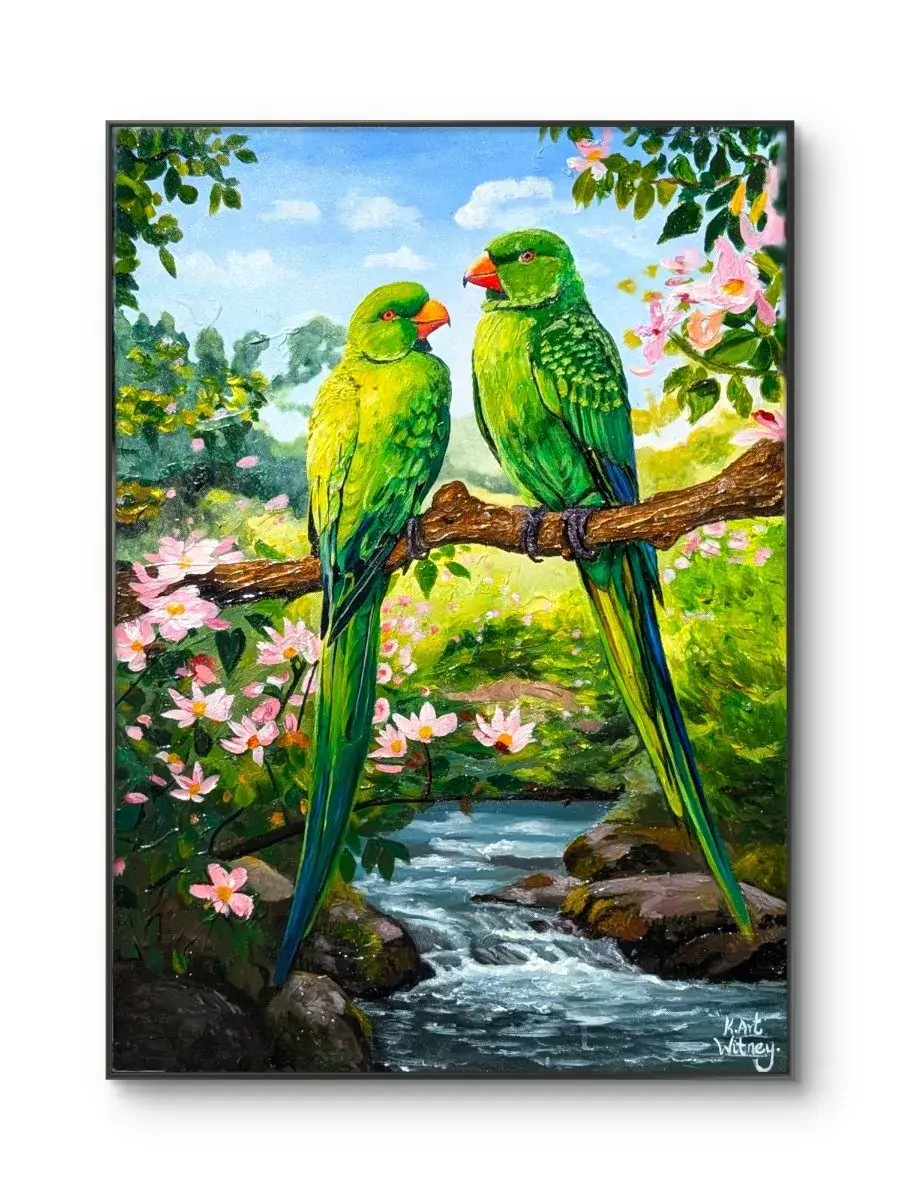
Sokofa exists for this exact moment in the story: a curated marketplace connecting shoppers to independent makers of African fashion, art, beauty, and cultural products. The point is not simply that you can find a beautiful painting or sculpture. It is that you can find it from the people who have the right to sell it, and trace it back to where it began.
Wander in the way Picasso wandered into that museum, but this time with the labels honest and the makers named:
Browse slowly. Read the vendor profiles. Look for the piece that tells you something true about where it came from.
The story of African art has survived courts and conquests, theft and cheap imitation, and it is still being written today by the people who never stopped making it. Pick the right piece from the right source, and you get to hold a chapter of it on your own wall.