You have always been bad at gifts.
Not unkind. Not forgetful. Just bad, in the specific way of a person who waits until the night before and then panics. There was the scented candle that went straight into a drawer. The gift card you watched someone smile at and quietly set aside. The umbrella. You still think about the umbrella. Somewhere there is a small museum of your good intentions, all of them slightly wrong.
This time it matters more, which is exactly why it is going worse.
Your grandmother turns seventy on Sunday. She left her home a long time ago, crossed an ocean for reasons she folds away whenever you ask, and built a whole life on the other side of the world without ever quite unpacking the old one. She has everything. She wants nothing. She says this in a way that closes the subject. And every gift you have ever given her has ended its life in the same neat drawer, thanked for and then forgotten.
So here you are, near midnight, with fifteen tabs open and the blue light making your eyes ache.
They all show you the same things. The same mass produced mug in the same four colours. The same throw blanket photographed in the same empty room. The same algorithm, confident it knows you, offering the same nothing to everyone. You scroll until the products stop being objects and become a kind of grey noise. None of it has a maker. None of it has a place. You could give any of it to anyone and it would mean the same exact amount, which is to say almost nothing at all.
You are about to give up and buy the candle again when one more tab loads, and the noise stops.
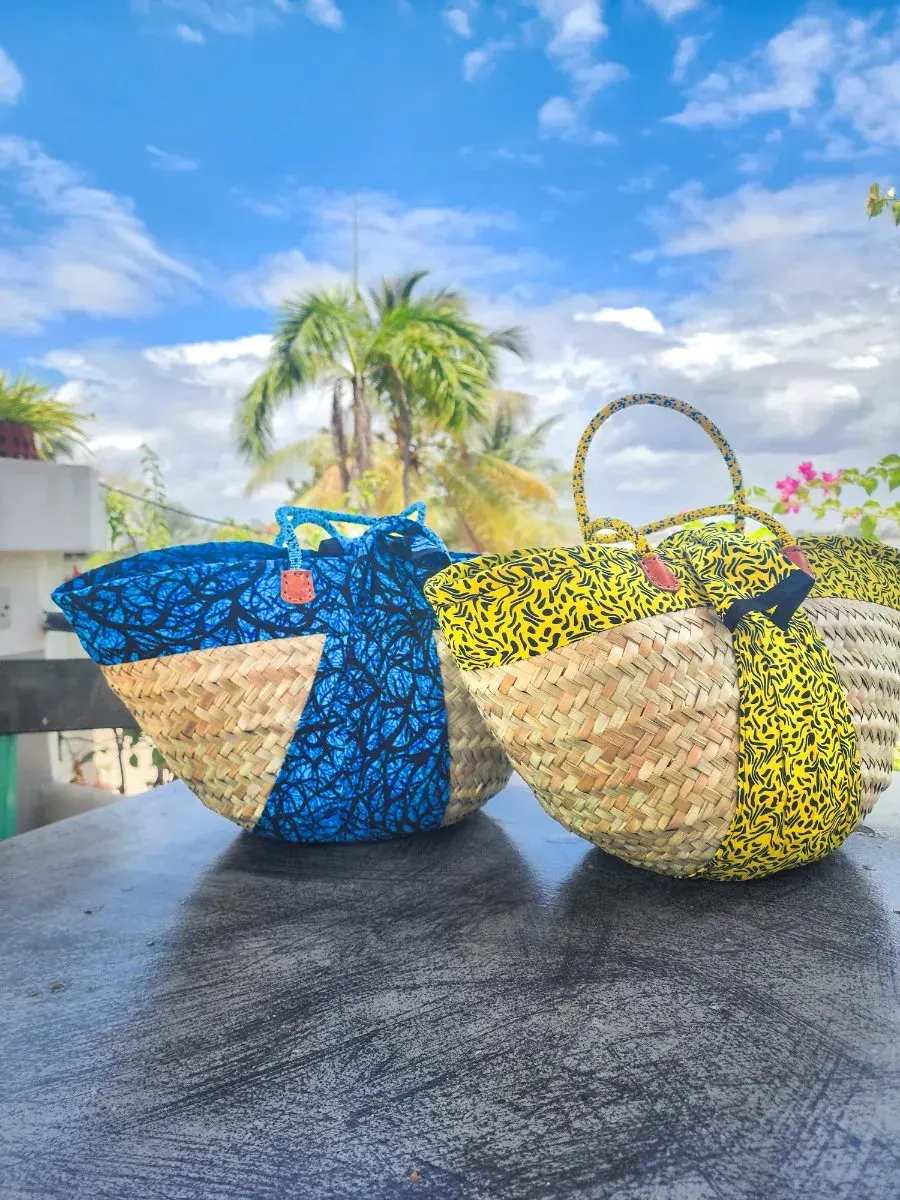
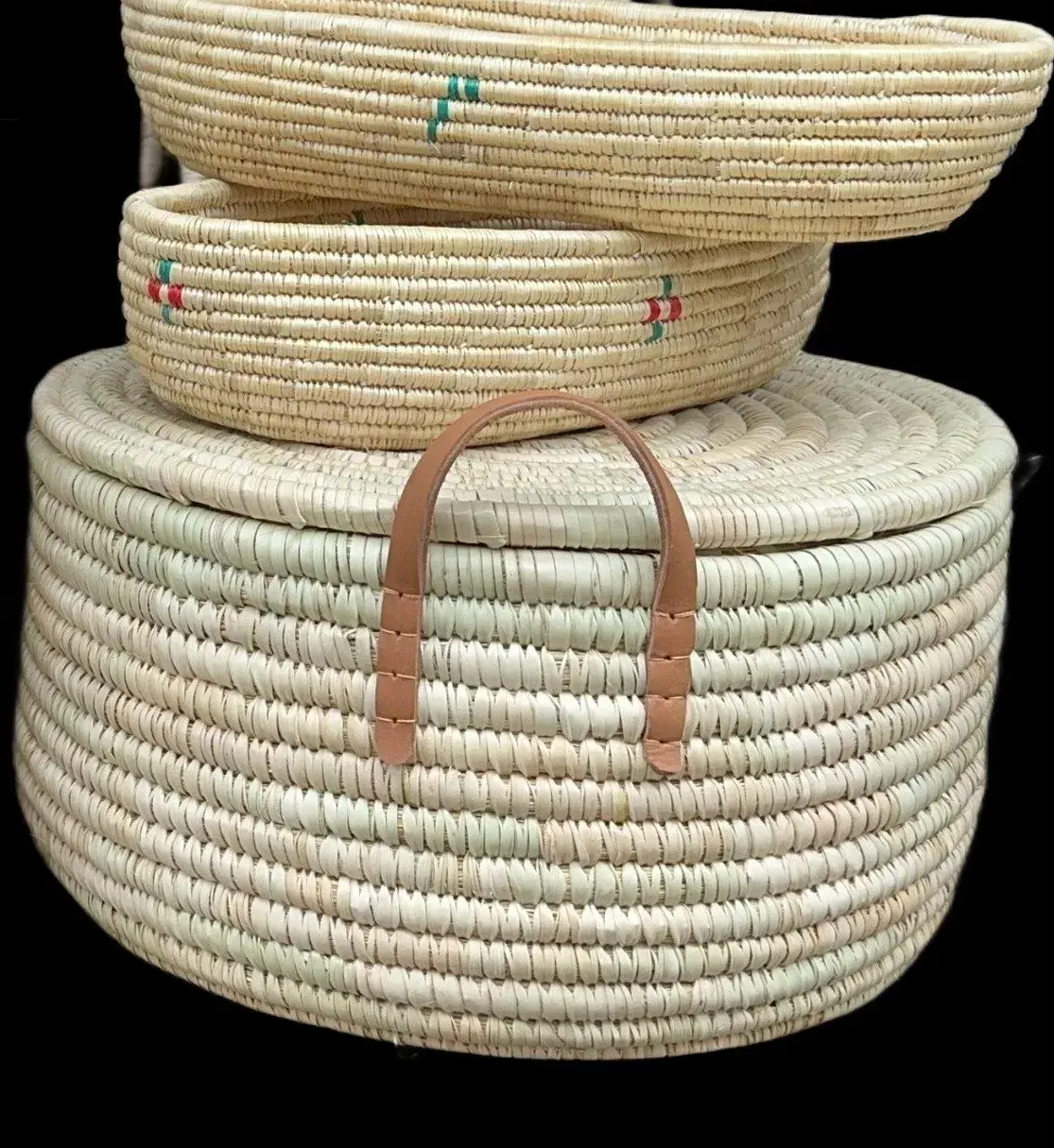
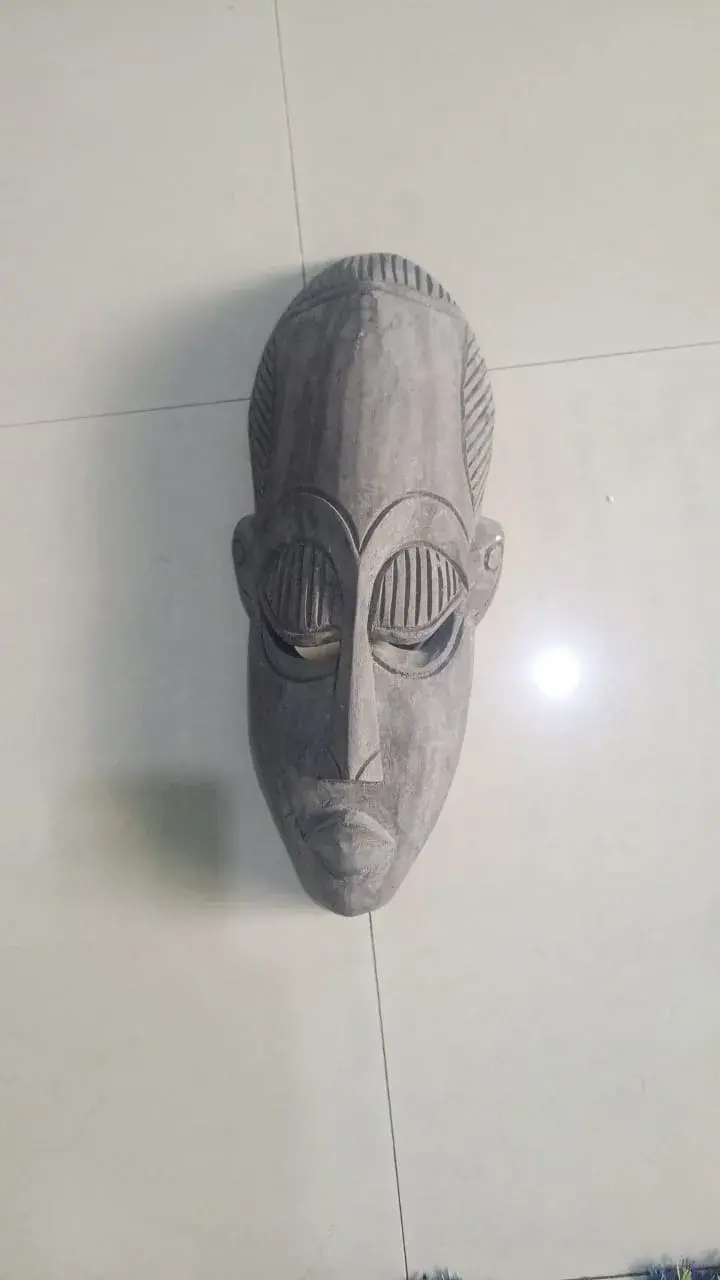
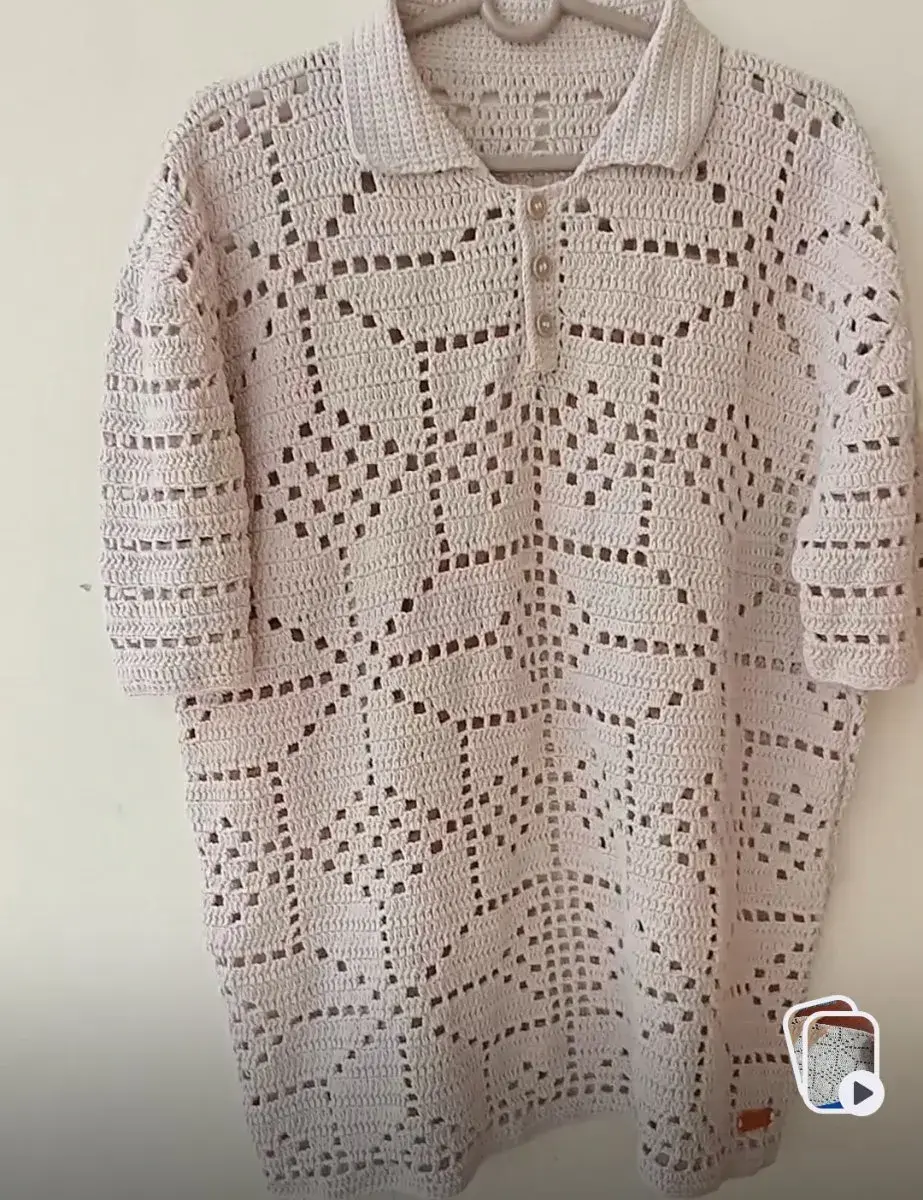
This place is built differently. The objects here do not float in empty white rooms. They sit in the hands of the people who made them. A potter with clay dried into the lines of her palms. A weaver mid pattern, the loom catching the light. Each thing comes with a name, a town, a small paragraph of where it came from and who shaped it and why. You slow down without deciding to. You start reading the way you read a book, not the way you scan a shop.
And then you find the cloth.
It is indigo, deep as a night sea, patterned in pale rings and lines that look like they were breathed onto the fabric rather than printed. The note beside it says it was dyed by hand by a woman named Fatou, in a town you have never heard of, using a method her mother taught her and her mother's mother taught her before that. The white shapes, it explains, are made by tying and folding the cloth so the dye cannot reach those parts, so the pattern is really a record of how the maker's hands moved. No two pieces are the same, because no two pairs of hands move the same way twice.
You read it again. You think about your grandmother, and the drawer, and the ocean she does not talk about. You buy the cloth.
It arrives folded in paper, and when you lift it out the colour seems to deepen in the light. You almost keep it for yourself. You wrap it instead, badly, the way you do everything, and you carry it to the small gathering on Sunday feeling, for the first time in years, that you might have got something right.
She opens it last.
She does not say anything at first. She unfolds it slowly across her knees and runs one thumb along the pale rings, back and forth, the way a person touches a thing they are trying to be sure of. The room keeps talking around her. She does not hear it. When she finally looks up, her eyes are bright in a way you have not seen, and her voice comes out smaller than usual.
"I had one like this," she says. "When I was a girl. My mother dyed them in the yard." She laughs, embarrassed by herself, and wipes her eye with the back of her hand. "I have not held one in fifty years."
You did not know that. You could not have known that. You only knew that the cloth had a maker and a story, and that a thing with a maker and a story has a chance of finding the place inside a person that mass produced grey noise never will. The umbrella never stood a chance. This did, because someone real had folded their whole inheritance into it, and you simply carried it the last stretch of the way.
That is the secret nobody tells you about giving. The best gifts are not bought so much as relayed. They pass from one pair of hands to another to another, gathering meaning at every stop, until they reach someone who unfolds them and goes quiet. Your part is small. You just have to be wise enough to choose the thing that was made with love instead of the thing that was made by the million.
Your grandmother keeps the cloth on the back of her chair now, where she can reach it. It did not go in the drawer.
If you are the person at midnight with too many tabs open, the lesson is gentler than it sounds. Stop looking for the cheapest version of the right idea and start looking for the real version: something handmade, by someone named, from somewhere specific, carrying a story you can pass along with it. That is what separates a keepsake from clutter, whether it is woven cloth, beadwork, art, or something rooted in African ingredients and tradition.
Sokofa exists to be that quieter kind of marketplace, where gifts come from trusted vendors who can tell you who made a thing and why it matters, across fashion, art, beauty, and culture. If you want to begin, the gifts under fifty collection is a kind place to start, the new arrivals are where the fresh ideas land first, and the full marketplace is there when you want to wander.
Choose the piece with a story in it. Then carry it the last stretch of the way.