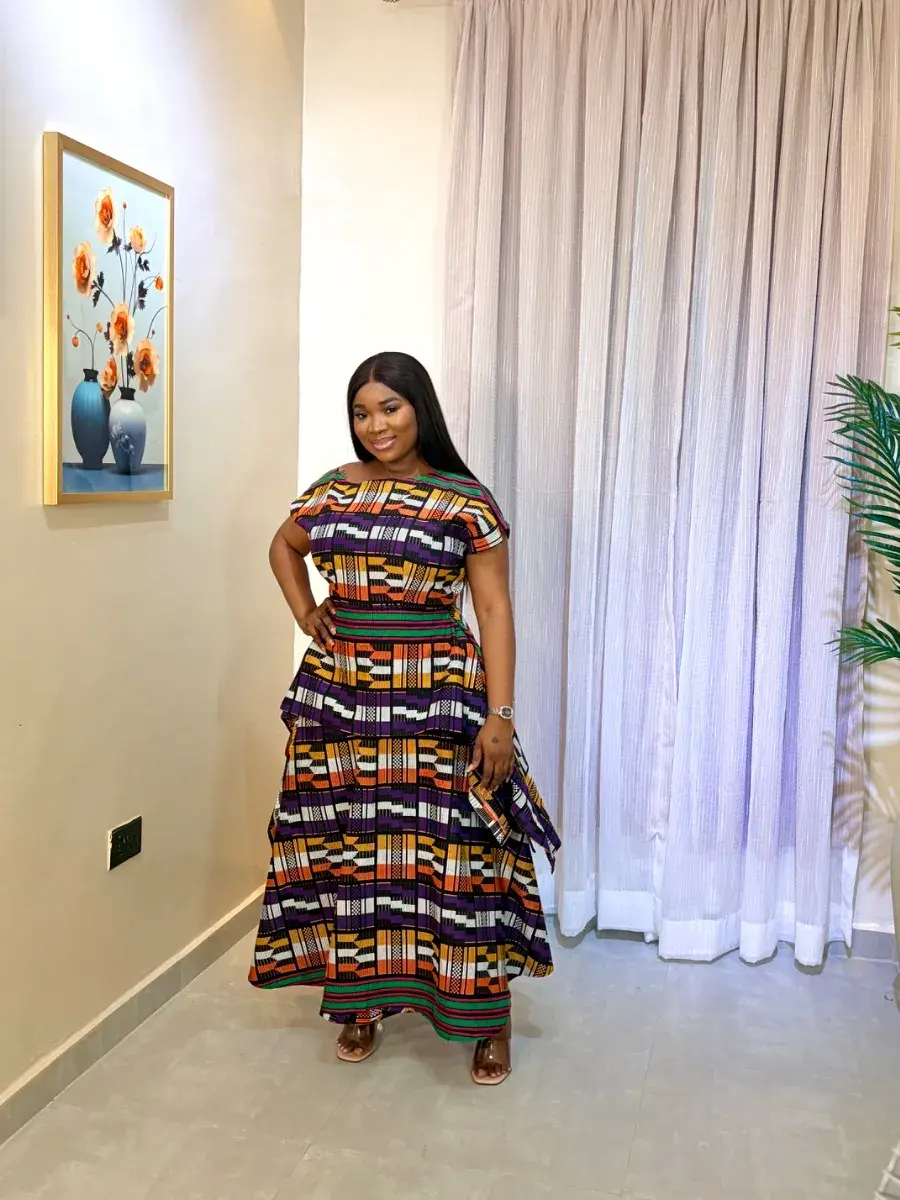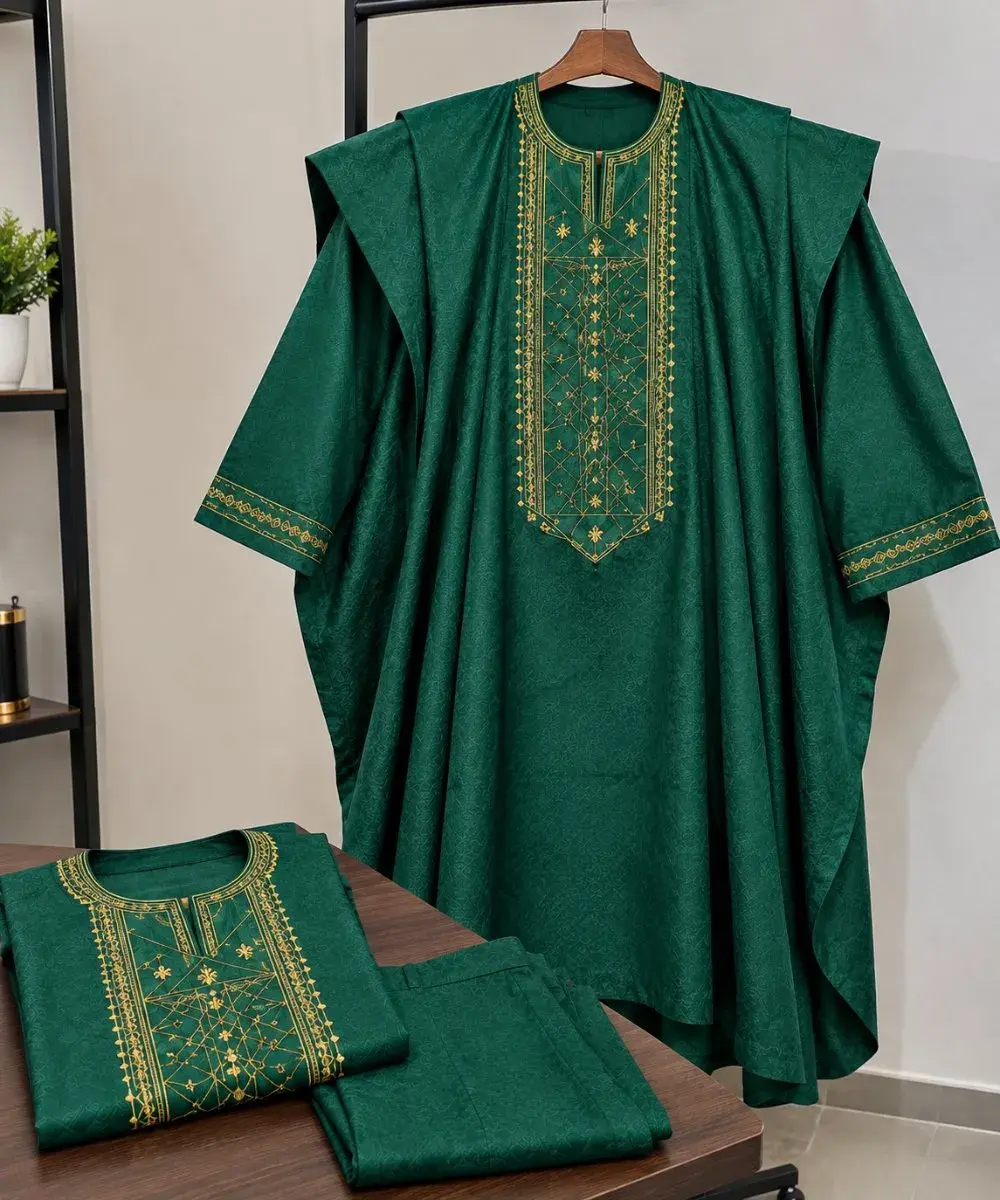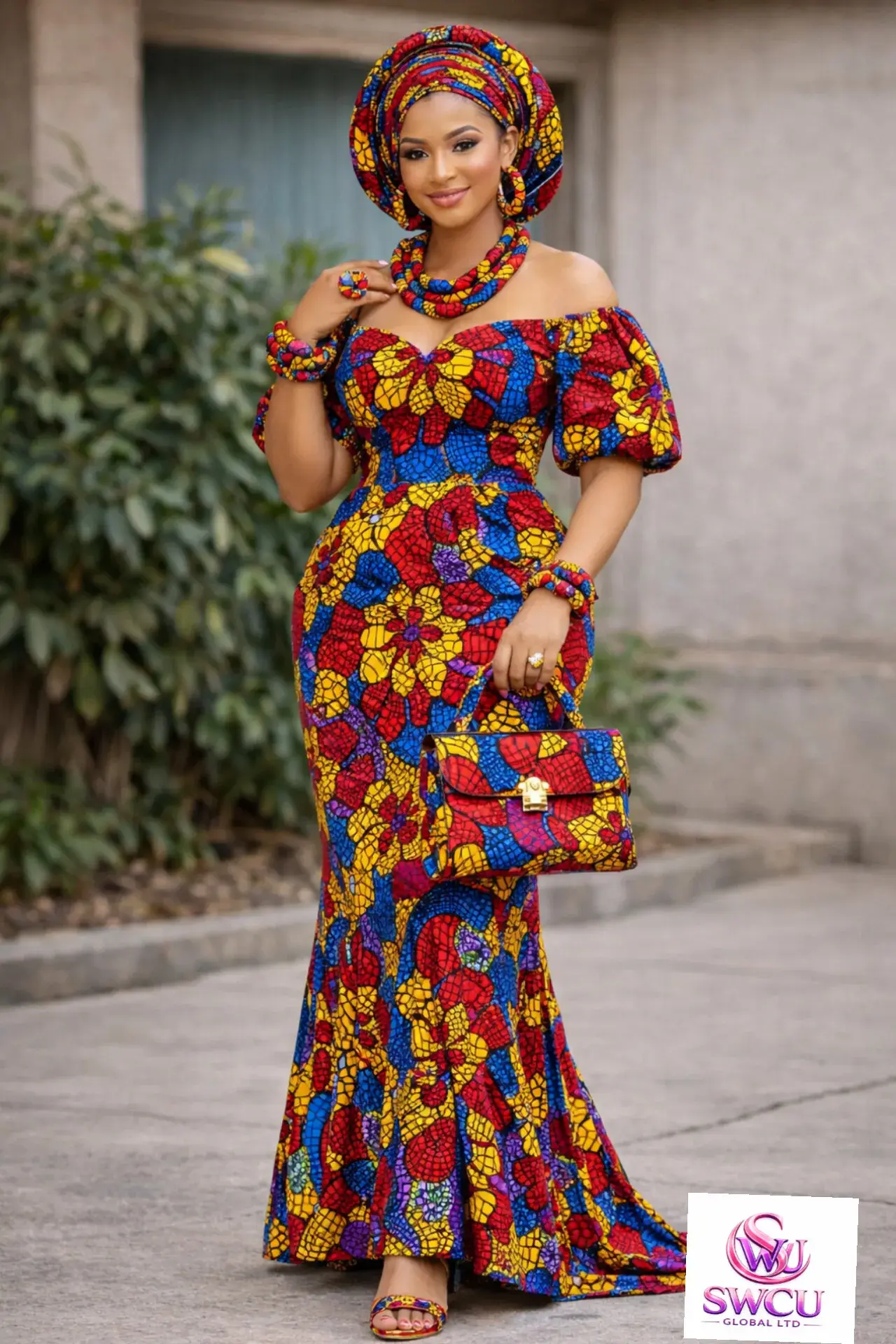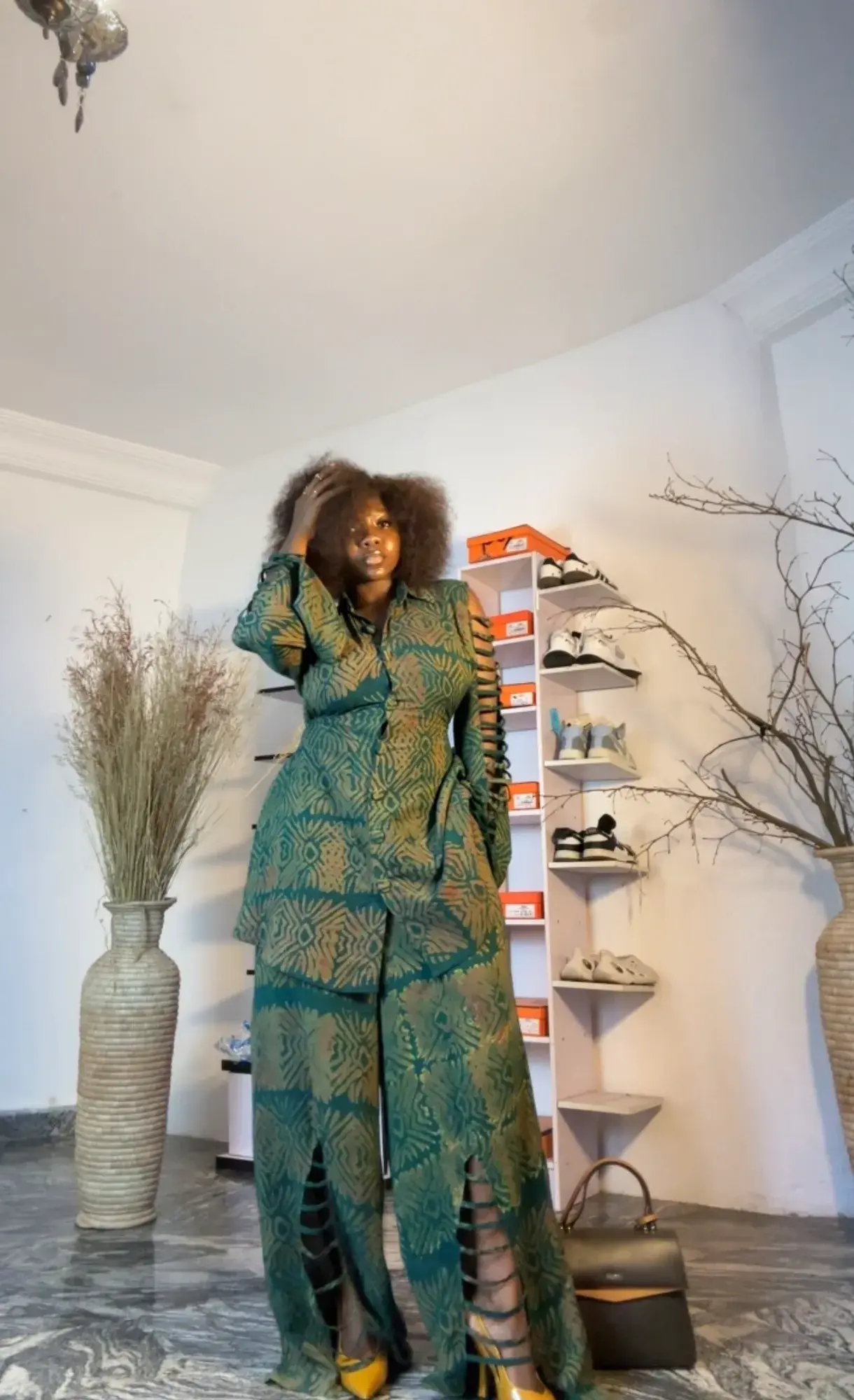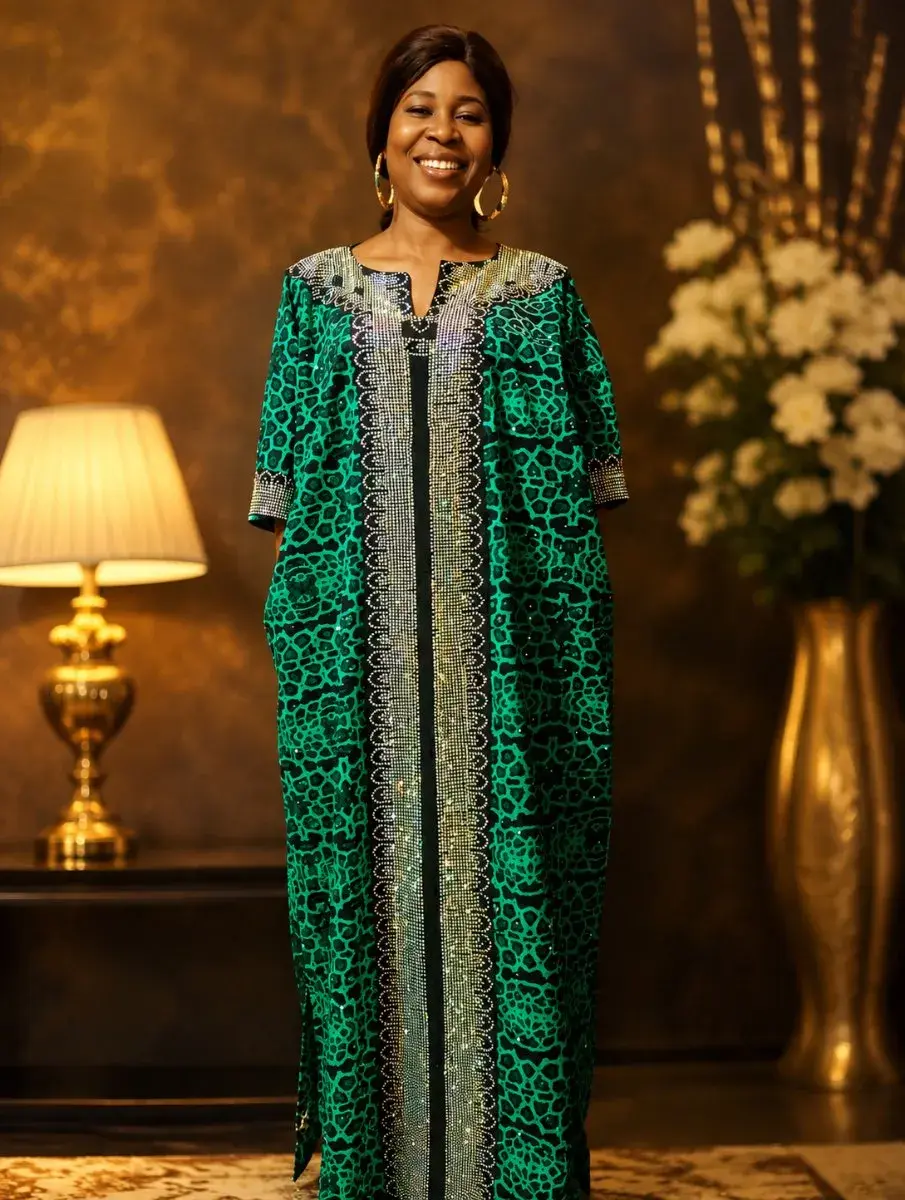
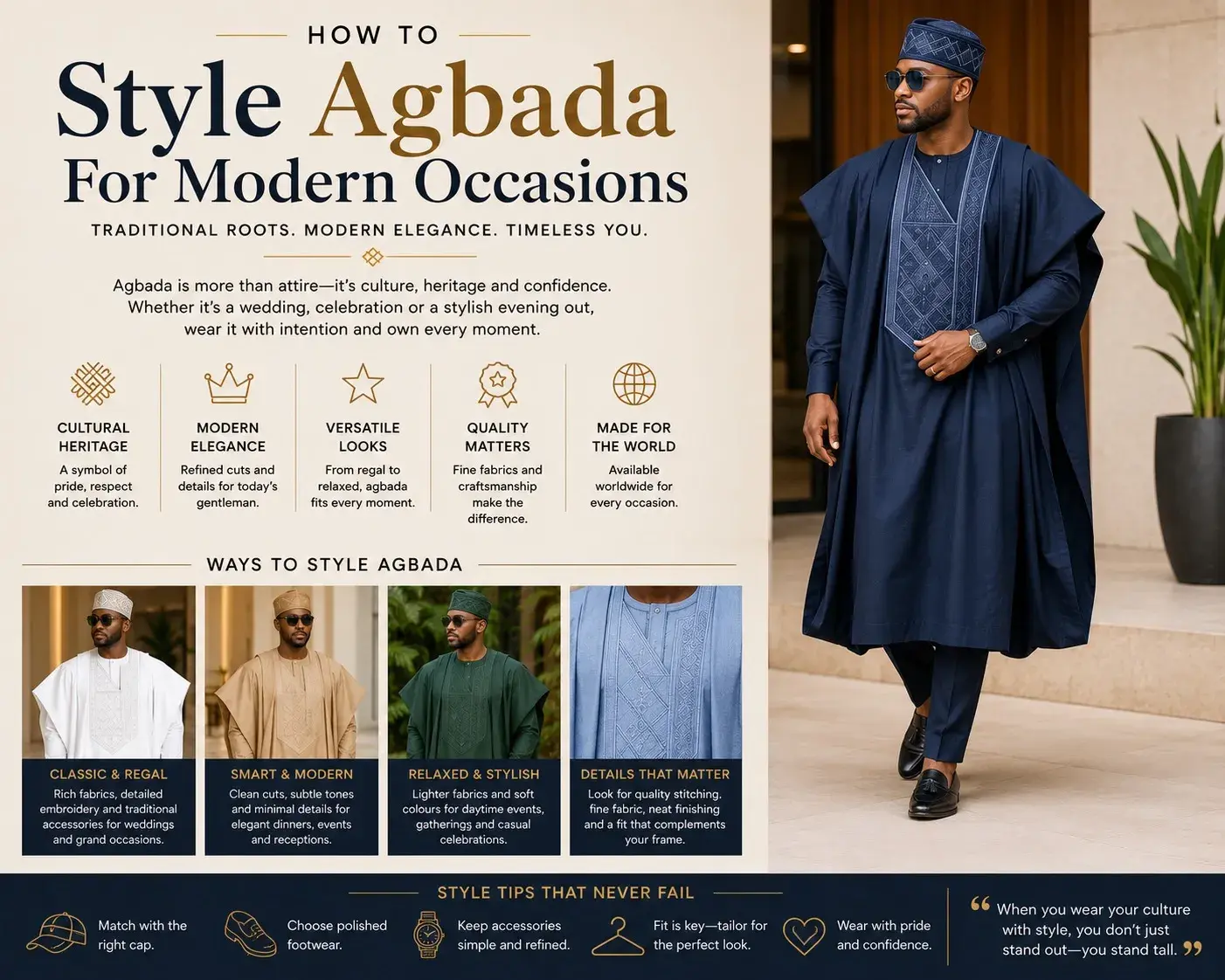
There is a moment, just as someone in a great agbada steps into a room, when the air seems to shift. The wide sleeves sweep, the fabric moves like water, and before a word is spoken, the room understands that someone has arrived.
That is not an accident of fashion. The agbada was built for exactly this. For centuries it has been the garment of presence, the robe a man wears when the occasion is too important to be quiet about. The remarkable thing is that it still does this today, whether the room is a wedding hall in Lagos, a naming ceremony in Accra, a gallery opening in London, or a milestone dinner in Toronto. Styling it well for modern life is mostly about understanding what the robe already knows how to do, and getting out of its way.
A robe with a long memory
Agbada is a flowing outer robe worn across West Africa, especially among Yoruba and Hausa communities. It rarely travels alone. Traditionally it sits as the crowning layer of a three piece outfit, worn over a buba, a kind of tunic, and sokoto, the trousers, often finished with a cap.
For generations it has carried meaning beyond cloth. The grander the robe, the richer the fabric, the fuller the sweep, the higher the status it signalled. Chiefs wore it. Elders wore it. It marked weddings, funerals, religious gatherings, and the great turning points of a life. To put on an agbada was never simply to get dressed. It was to step into a dress code that had long announced that this moment mattered.
That history is the reason the robe still feels like an event. You are not borrowing a trend. You are wearing something with a memory.
What makes it modern, without losing its soul
The agbada has aged well because it has learned to bend without breaking.
A modern version keeps the drama of the robe but trims the excess. Picture a slimmer shoulder line, a cleaner neckline, embroidery that whispers rather than shouts, and colours chosen to live beyond a single ceremony. Deep navy, ivory, wine, sage, and charcoal all feel contemporary while still carrying ceremonial weight. The volume stays, because the volume is the point. What changes is the precision around it.
Texture does quiet work here too. A matte weave reads as understated and elegant, while a soft sheen in a silk blend or brocade gives an evening its polish. And if you are ever caught between loud embellishment and restraint, lean towards restraint. On a robe this commanding, restraint almost always reads as more expensive and more current.
A well made agbada should move beautifully when you walk and hold its shape when you stand still. That balance, motion and structure at once, is the line between clothes that merely fit an event and clothes that honour it.
Fabric is the whole story
If the agbada has a soul, it lives in the cloth.
A heavy robe in richly woven aso-oke, the handwoven cloth long tied to Yoruba ceremony, feels rooted and grand, the natural choice for the biggest occasions. A lighter cotton or lace version moves better through daytime weddings, receptions, and warm weather events. For a more fashion forward finish, look for clean embroidery, tonal threadwork, and fabric that drapes rather than collapses. The way a cloth falls tells you almost everything about how it will look the moment you move.
How to read quality before you buy
The difference between a robe made for real occasions and one made to photograph once shows up in the details. Learn to look for them.
Start with the weave. Good aso-oke feels structured and intentional, never flimsy or plasticky, and the pattern should stay consistent across the whole cloth. On embroidered pieces, study the stitching on the front panel, the sleeves, and the edges, because uneven threadwork is the quiet tell of rushed production. Then check the lining and the finishing. A quality agbada has tidy seams, balanced proportions, and embroidery that lies flat instead of puckering. When you shop online, close up photos and honest fabric descriptions matter every bit as much as the glossy styling shot.
The warning signs are just as readable. Poor construction usually reveals itself in the drape. If a robe hangs awkwardly, pulls at the shoulders, or stiffens in the wrong places, the cut is off. Be wary of fabric with a cheap shine, which often points to low grade synthetic rather than the richer hand feel the garment deserves. And watch the embroidery closely, because real stitching has depth and texture even when it is subtle. If it looks printed flat from across the room, you may be looking at costume level work dressed up as ceremonial wear.
Styling it for the occasion in front of you
Here is the simplest rule: think about the room first, the trend second.
For weddings and other grand events, keep the styling polished and deliberate. Pair the robe with a matching cap, tailored trousers, and clean, understated leather shoes. If the agbada is richly patterned, let everything else stay calm so the eye lands where it should. For a modern reception, an art opening, a birthday dinner, or a cultural gala, you can soften the formality. Reach for a slimmer cut, a lighter cloth, and a colour that flatters under indoor lighting. At that point the whole thing becomes a question of proportion rather than tradition.
Accessories should earn their place. A simple wristwatch, polished loafers, and a well chosen cap will do more than a pile of competing jewellery. If you want a more rooted look, add a single beaded necklace or a discreet cuff, but do not crowd the outfit. Footwear matters more than most people realise. Clean loafers, classic derbies, or well made slip ons lift the entire look, while bulky shoes interrupt the robe's flow. The goal, always, is ease rather than overstatement.
As for when to go full traditional and when to go contemporary: richer fabrics and fuller silhouettes belong at weddings, naming ceremonies, funerals, chieftaincy events, and major religious gatherings, because there the robe is part of the ceremony itself. Shorter embroidery, lighter cloth, and a more tailored buba and trouser shape let the agbada feel at home in a gallery or a dinner. Same garment, different register.
Buying authentic African menswear online, wherever you are
If you are shopping from the UK, the USA, Canada, Europe, or Australia, the rule is the same. Look for vendors who describe the fabric clearly, show real product images, and explain how each piece is made. The most trustworthy listings tell you who made the garment, what it is cut from, and how it should fit, whether you are buying a full agbada set, a Yoruba inspired ensemble, or another piece from the wider African fashion world.
This is where Sokofa earns its place. Rather than scrolling through random listings, you are shopping a global African marketplace of culture forward pieces across fashion, art, beauty, and gifts, from vendors who can speak to the craft behind what they sell.
Useful starting points:
For international buyers, pay close attention to sizing notes and tailoring flexibility. The agbada is forgiving in some places thanks to its volume, but shoulder fit, sleeve length, and robe length still need care. If you are ordering for a wedding or event abroad, give yourself time for shipping, alterations, and accessories, so the whole look lands exactly where you want it on the day.
Frequently asked questions
How much does an agbada cost? Prices vary widely with fabric, embroidery, and finishing. A simple ready to wear set is more affordable, while handwoven aso-oke, detailed embroidery, or bespoke tailoring will cost more. When comparing options, look past the price tag and ask what craftsmanship is actually included.
How do I know if an agbada is authentic? Real pieces are described with clear cultural and material detail, not vague fashion language. Look for specific mentions of aso-oke, lace, cotton, embroidery, or tailoring origin, and be cautious of generic stock photos with no construction detail. Artisan made garments tend to show their texture and structure honestly.
Can I ship agbada worldwide? Yes. Many African fashion vendors ship internationally, including to the UK, USA, Canada, Europe, and Australia. Check delivery timelines and whether the seller provides accurate measurements, especially for a wedding or formal event. International orders go most smoothly when the product page is detailed and the vendor is used to working with global buyers.
How do I care for agbada fabric? Care depends on the material. Aso-oke and heavily embroidered pieces often need gentle handling, professional cleaning, or careful spot treatment, while lighter cotton versions are easier to maintain. Store the robe in a cool, dry place, hang it so it keeps its shape, and avoid rough folding that can crease the embroidery.
Ready for the occasion
The strongest agbada looks never feel accidental. They feel chosen with care. When you understand the fabric, read the occasion, and recognise real workmanship, dressing for the moment stops being a puzzle and starts being a pleasure.
The robe already knows how to walk into a room. Your part is simply to choose a good one and let it. If you are ready to find a piece that feels current, rooted, and made for real life beyond the event photo, start with Sokofa's African matching sets, from buba and sokoto to the full three piece agbada, and move towards the cut that fits your next occasion.