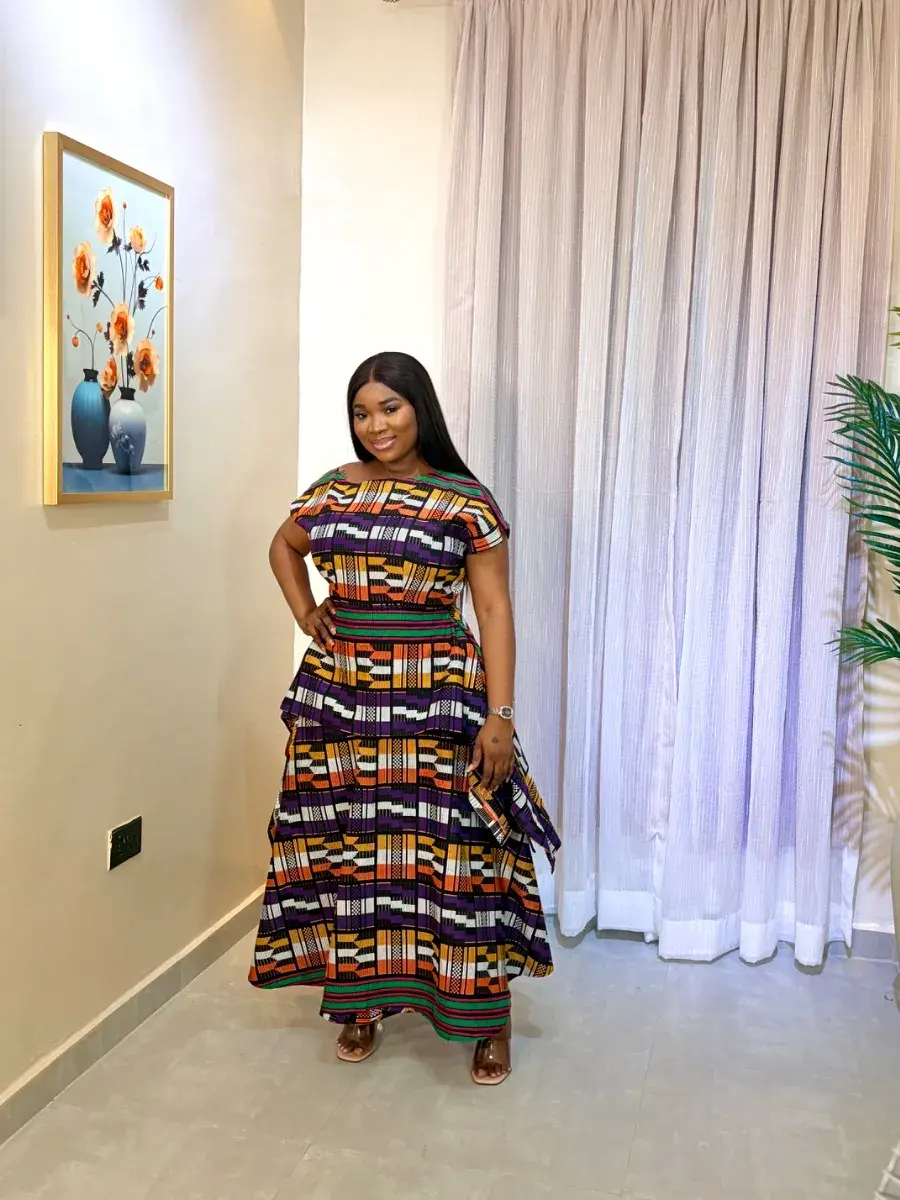
The first time you see kente cloth up close, at a wedding, a graduation, a naming ceremony, it does something a photograph never quite captures. The colours pull your eye first. Then the pattern catches you, and you sense there is something being said in the weave, even if you cannot yet read it. That feeling is real. Kente is not decorated cloth. It is written cloth. And to wear it well, it helps to know what it is saying.
To understand why a length of woven fabric can stop a room, you have to go back a few centuries, to a story about a spider.
A cloth born from a spider's web
As Asante legend tells it, two weavers from the town of Bonwire, in what is now Ghana, came upon a spider spinning its web. Anansi, the spider, is no small figure in Akan folklore, and the men stood watching the delicate, deliberate work of the threads crossing and locking into place. They went home and tried to do with yarn what the spider had done with silk. What they made became kente.
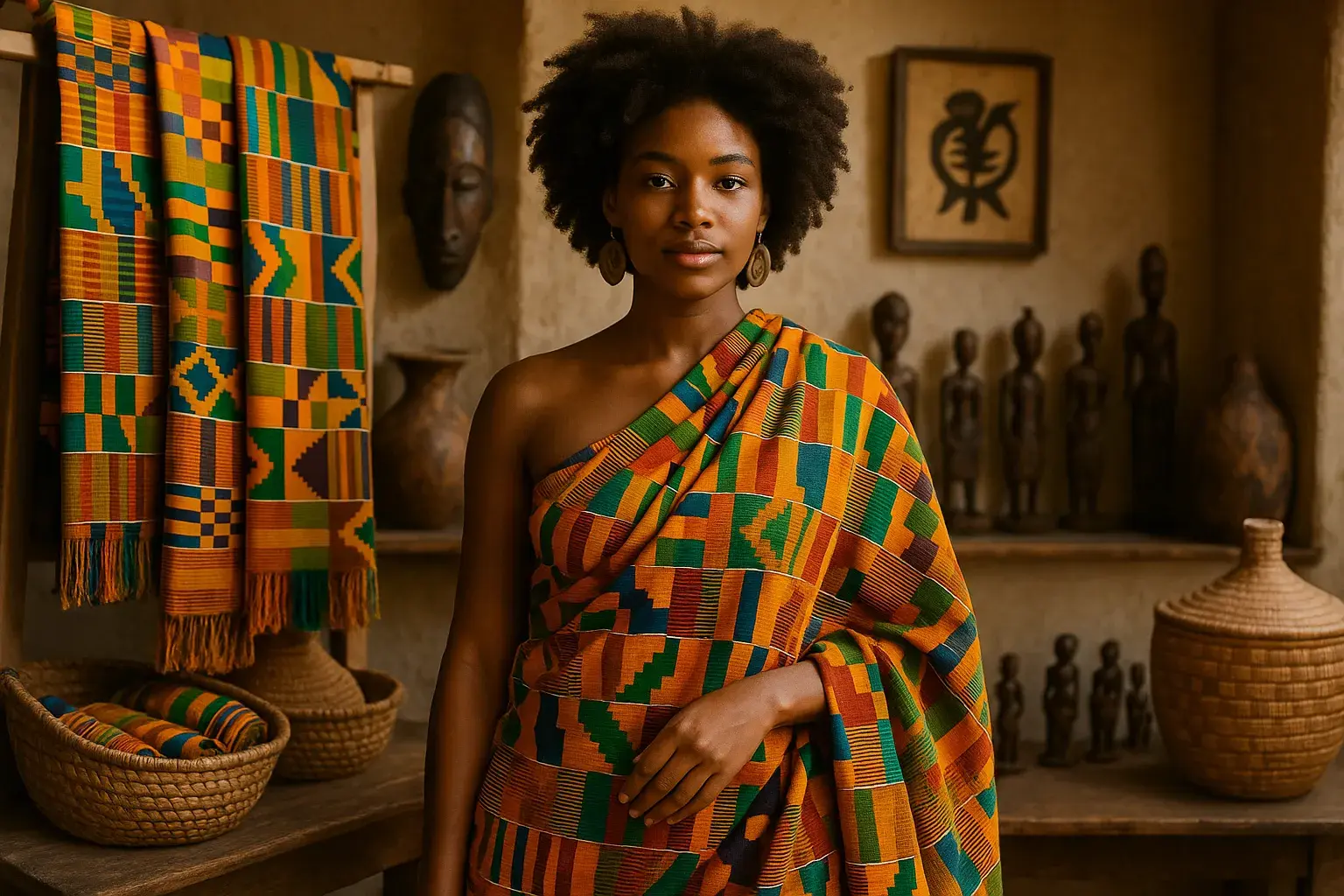
Whether or not the spider is history, the method certainly is. Kente is woven by hand on a narrow loom in long strips only a few inches wide. Each strip is patterned thread by thread, then several strips are sewn together edge to edge to build a single large cloth. The name itself is often traced to the Akan word for basket, after the tight, interlaced look of the weave.
This was never ordinary fabric. The finest kente, woven in shining silk, belonged to royalty. It was the cloth of the Asante court, worn by kings and nobles, kept for the moments that mattered most. To wear it was to wear status, history, and ceremony all at once.
A language you can put on
Here is the part that makes kente unlike almost any other cloth. The patterns have names. The colours have meanings. Together they form a kind of vocabulary.
Specific designs carry proverbs, record events, or stand for ideas such as wisdom, unity, or excellence, and a skilled weaver chooses them with intent. Colour adds another layer, though the meanings shift between weavers and regions rather than following one fixed rule. Gold is often tied to royalty and wealth, green to growth and renewal, blue to peace, red to strong feeling and sacrifice, black to maturity and the ancestors, white to purity. Read together, the pattern and the palette let a cloth say something the wearer never has to speak.
So when you drape kente, you are not simply adding colour to an outfit. You are choosing words.
From the king's court to the graduate's shoulder
The most beautiful turn in kente's story is how far it has travelled.
A cloth once reserved for Asante royalty has become a global symbol of African heritage and achievement. You see it now as a stole over a graduation gown, a wrap at a celebration, a sash at a milestone, worn with pride across the diaspora from London to Atlanta to Toronto. The meaning shifted but did not weaken. Where it once said royalty, it now also says roots, accomplishment, and belonging. A royal cloth became a people's cloth, and somehow grew larger for it.
That history is exactly why how you wear it carries weight. You are stepping into something with a long memory.
How to wear it with style and respect
The good news is that kente is generous. You can wear it as a full wrap, a tailored dress, a skirt, a blazer lining, or a simple sash over formal clothing. If you want polished womenswear silhouettes that keep the textile's presence, that is a fine place to begin.
The guiding principle is to match the cloth to the moment, not just to the outfit. A bold gold and green piece feels right for a graduation, where it should be seen and celebrated. A softer, more restrained pattern suits a reception or a church service. When you are unsure, let the cloth lead and keep everything else simple. Kente is the loudest, richest thing in any outfit it joins, so the rest of the look should step back and let it speak.
Worn with that little bit of awareness, kente never reads as costume. It reads as respect.
Kente, Ankara, and the rest of the wardrobe
A question that comes up constantly: is kente the same as Ankara? It is not, and knowing the difference will make you a sharper buyer of both.
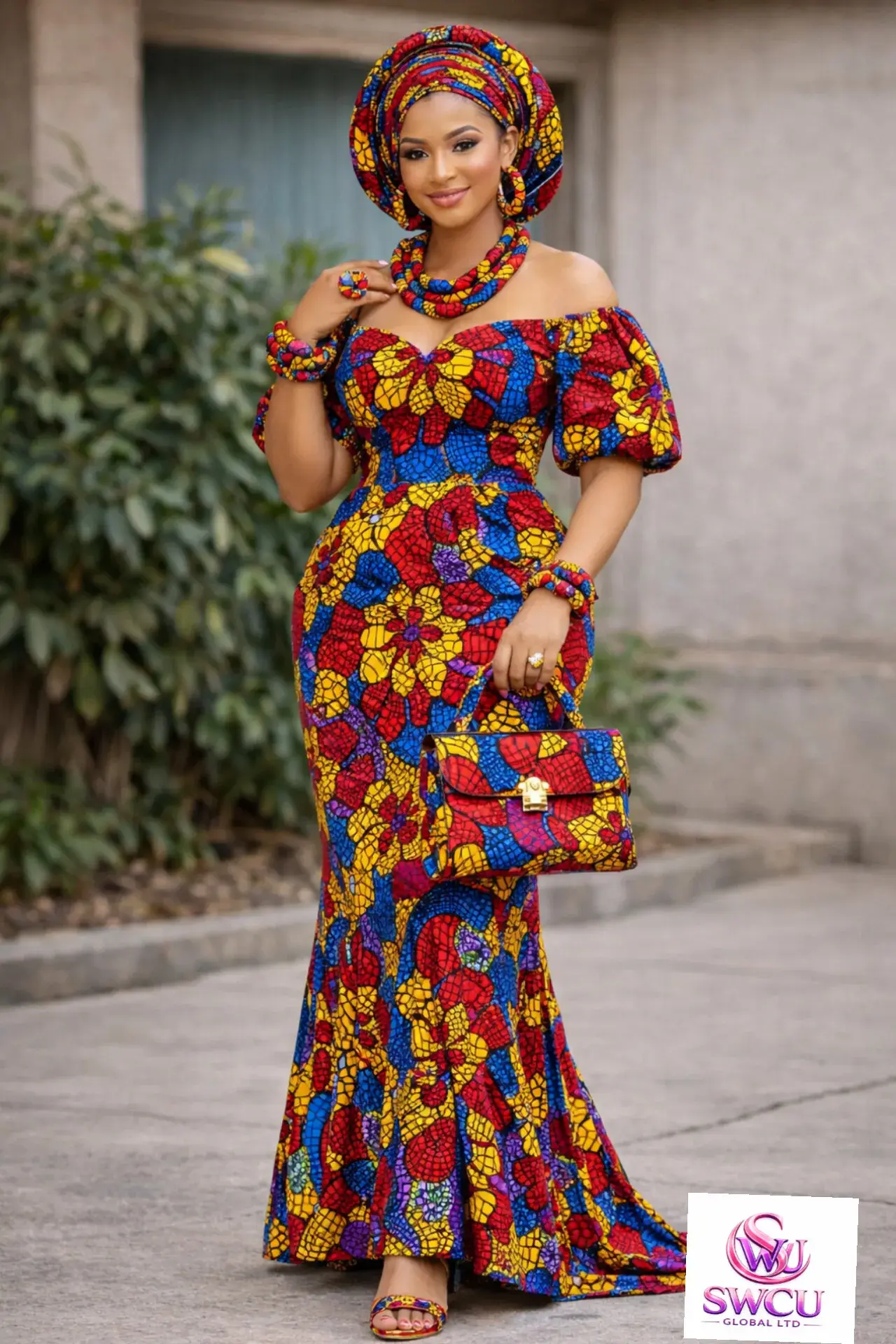
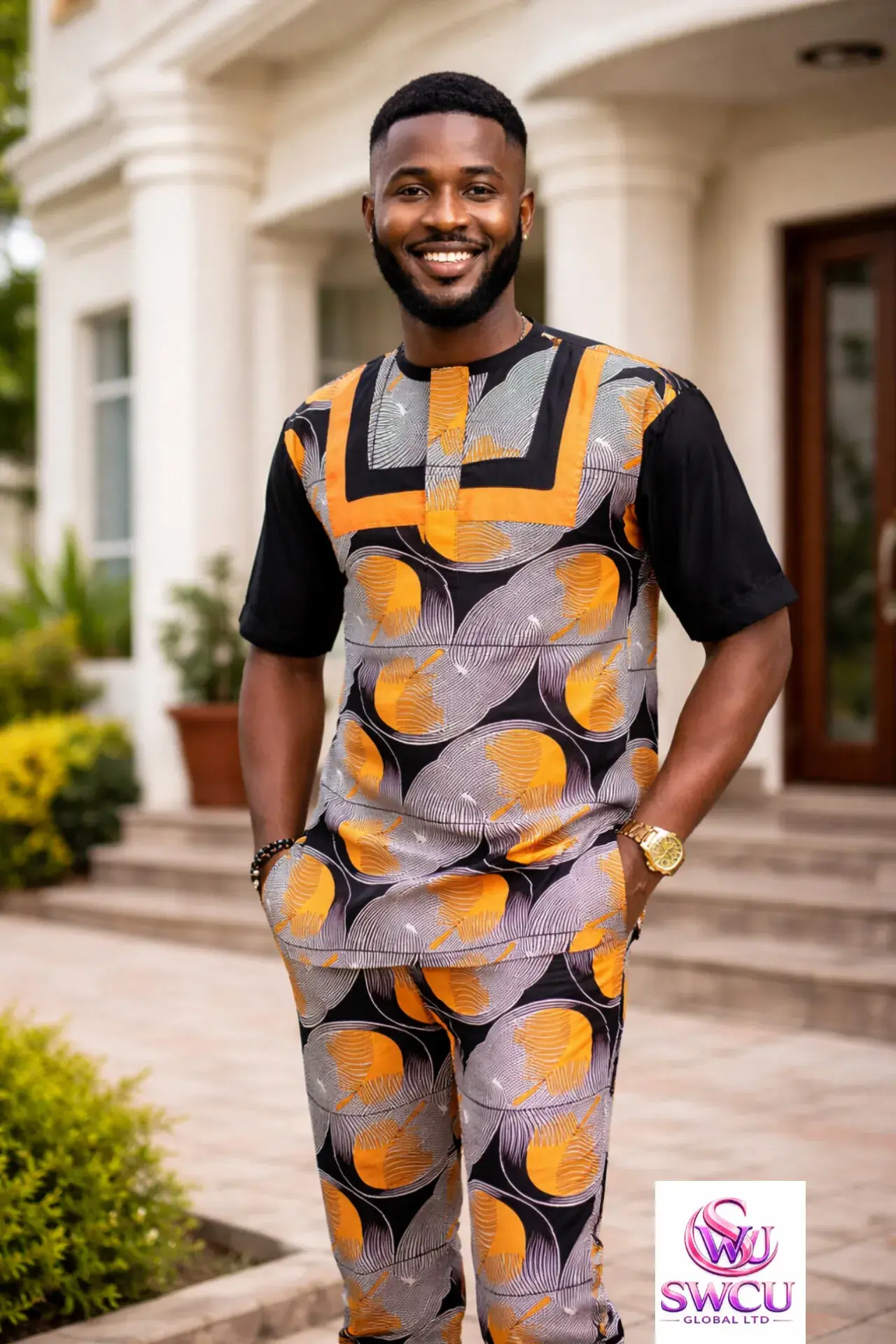
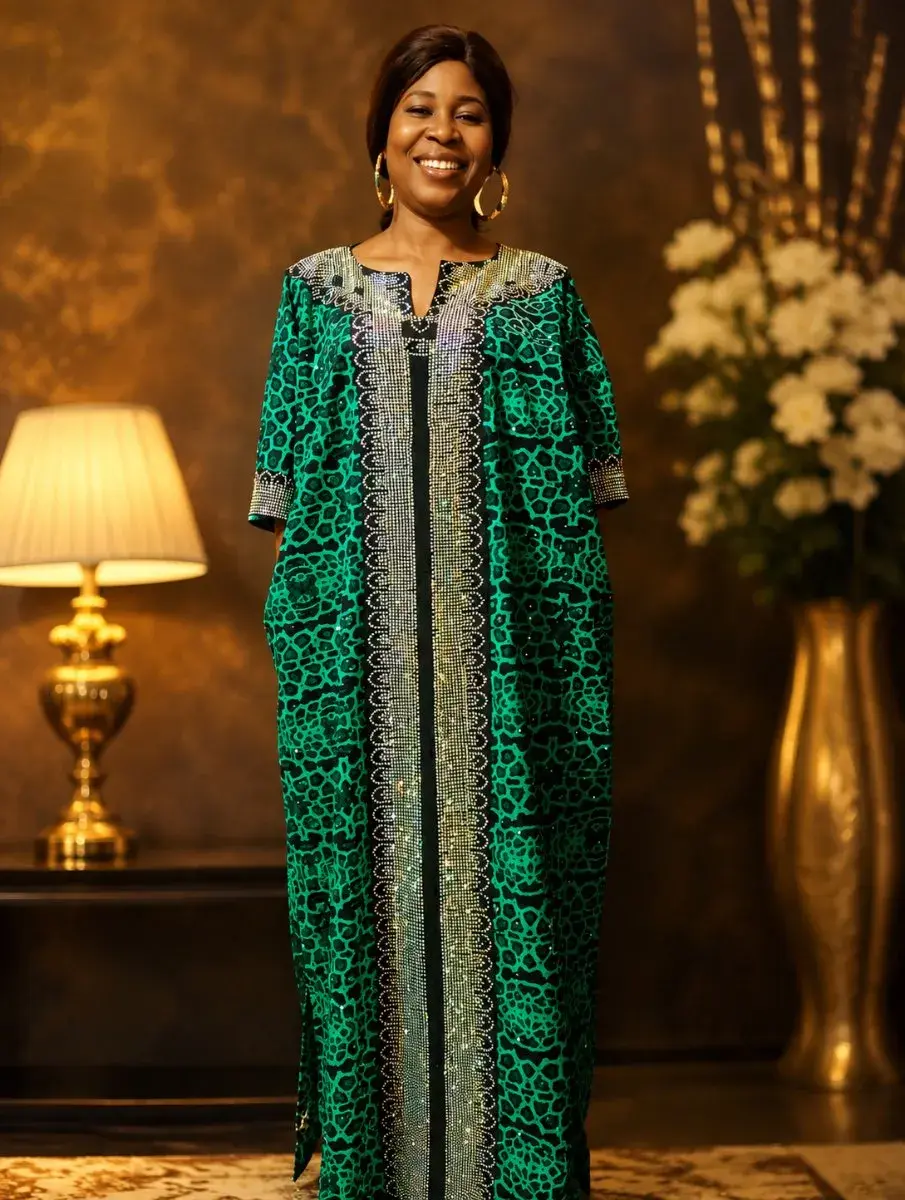
Kente is woven. The pattern is built into the cloth, thread by thread, on a loom. Ankara, also called African wax print, is printed. The pattern is applied to cotton using a wax-resist method, which is why Ankara can carry pictorial designs, dense repeats and effects no loom could produce. Kente is heavier, costlier, and made for ceremony. Ankara is the everyday voice of West African fashion: dresses, sets, shirts, bags, the clothes people actually live in.
The two work together. Kente for the milestone, Ankara and Adire for everything around it. If you are building an African wardrobe rather than buying for a single occasion, start with the everyday pieces and let kente be the crown you add for the big day. Some real starting points from Sokofa's designers:
- A Royal Glow Ankara complete set, a handmade all-in-one statement look for occasions that call for presence
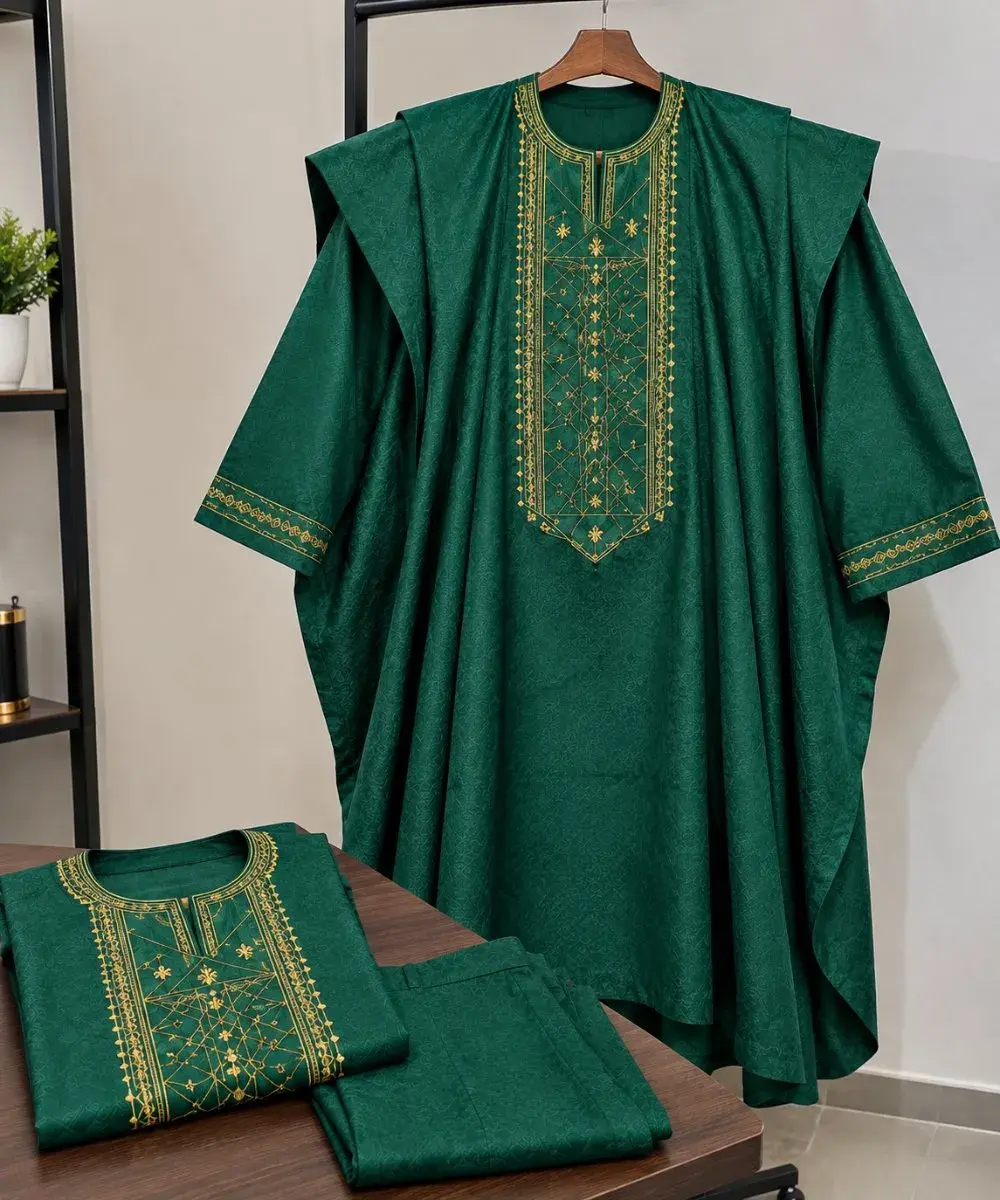
- A men's Ankara buba and sokoto outfit, traditional Nigerian native wear cut for modern events
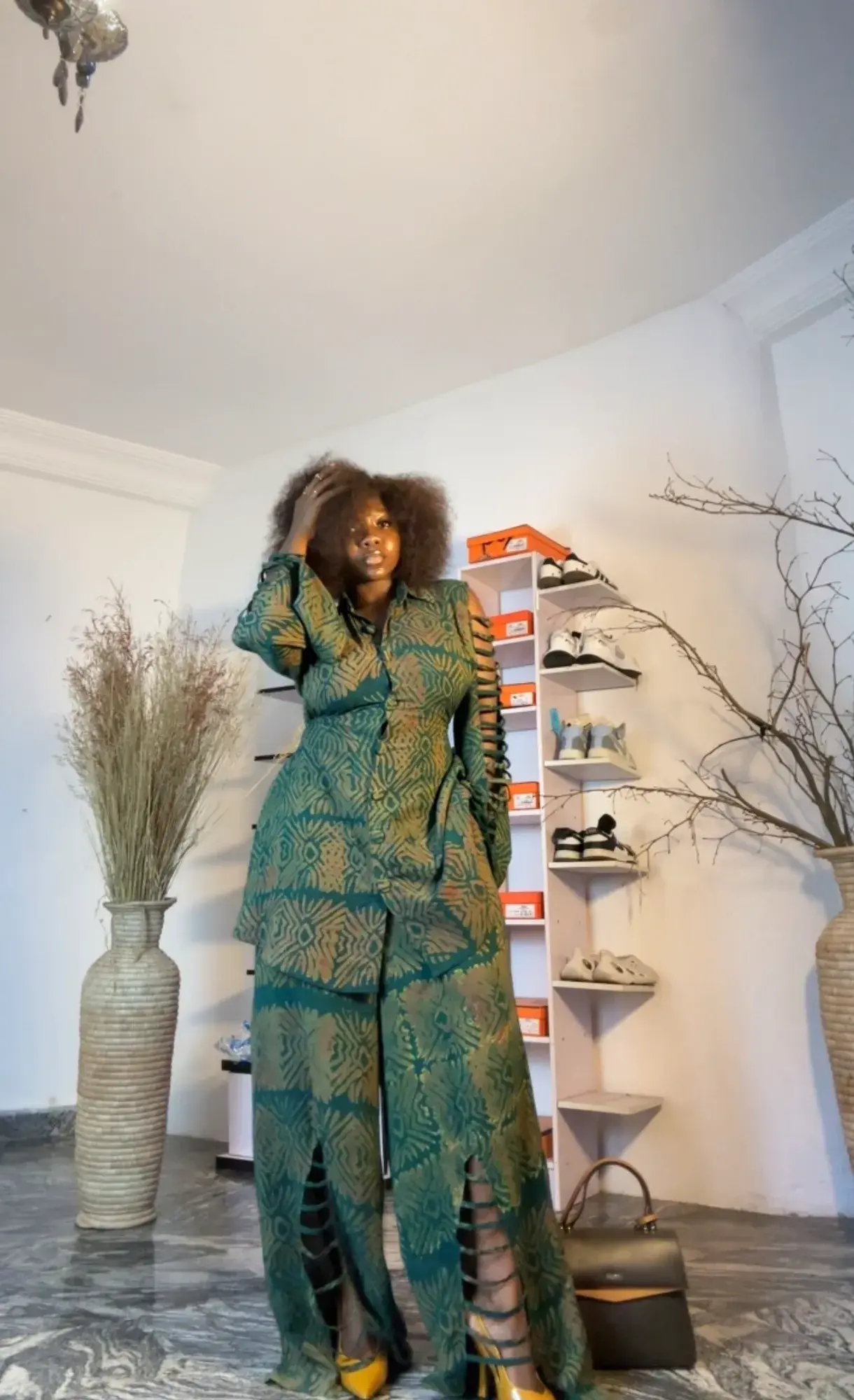
- The Jola Adire wide-leg trouser co-ord, Nigerian indigo-dye tradition in an everyday silhouette
- A handmade Ankara print handbag that lets a tailored outfit carry the print instead of wearing it
- Adire-themed dangling earrings, the smallest possible dose of the tradition
You can browse the full range in African fashion, women's pieces, and heritage textiles and fabric, where woven and hand-dyed cloth appears as supply allows. Handwoven kente comes from a small number of skilled weavers, so genuine pieces arrive in small batches; if you do not see one today, that scarcity is itself a mark of what you are looking for.
How to tell real kente from a printed copy
Quality changes everything, and with kente the gap between real and fake is wide.
Handwoven kente has texture, structure, and a depth that printed fabric cannot imitate. Look closely at the joins between the strips, the neatness of the edges, and above all whether the pattern is woven through the cloth rather than sitting flat on the surface. On a genuine piece you can feel the rhythm of the threads and see the hand of the weaver in it. A printed "kente inspired" fabric will look like a picture of kente. Real kente looks like it was built.
Then simply ask. A trustworthy seller will tell you plainly whether a cloth is handwoven, machine made, or a print. That single piece of honesty matters most when you are comparing prices across international shops, because handwoven Ghanaian kente costs more for a reason: the labour and skill woven into every strip.
Buying kente from anywhere in the world
Before you shop, decide how you actually want to use the cloth, because it changes what you should buy.
For formal wear you intend to have tailored, buy enough yardage for the garment. For styling, a stole, scarf, or wrap is often the smarter and more affordable choice. From there, check the practical details that decide whether a piece arrives the way you imagined: fabric weight, colour depth, care instructions, and shipping times to your country. Wherever you are, the UK, USA, Canada, Europe, Australia, or elsewhere in the diaspora, a good seller makes delivery clear before you commit.
This is where shopping a curated marketplace pays off. Rather than gambling on random listings, you can buy from vendors who can speak to the provenance of the cloth. On Sokofa, each seller shows their dispatch time on the listing, the delivery cost for your address is shown at checkout before you pay, and if anything arrives damaged or not as described you can report it within 48 hours of delivery.
Browse for pieces that carry real provenance first, then move towards the styles that feel like yours.
Frequently asked questions
How much does kente cloth usually cost?
It varies widely with whether the cloth is handwoven, how much material you need, and whether you are buying a finished garment or a length of fabric. Handwoven Ghanaian kente costs more than printed versions because of the hours of skilled labour behind it. A genuine woven stole costs more than most printed full outfits, and full handwoven cloths sit at the top of the range.
What is the difference between kente and Ankara?
Kente is handwoven on a loom, with the pattern built into the structure of the cloth itself; it is heavier, more expensive, and traditionally reserved for ceremony. Ankara is cotton printed with a wax-resist method, lighter and more affordable, and is the everyday fabric of West African fashion. A printed "kente pattern" fabric is technically Ankara wearing kente's clothes.
How do I know if kente is authentic?
Authentic kente is woven, often in narrow strips joined together, and comes with honest product detail. Check whether the pattern goes through the cloth rather than sitting printed on the surface, and look at the joins between strips. If a listing will not say where the cloth was made or how it was produced, ask before you buy.
What do the colours of kente mean?
Meanings vary between weavers and regions, but common readings are: gold for royalty and wealth, green for growth and renewal, blue for peace, red for strong feeling and sacrifice, black for maturity and the ancestors, and white for purity. The woven pattern carries its own named meaning on top of the palette.
Can I get kente shipped worldwide?
Yes. Many sellers ship internationally, including to the UK, USA, Canada, Europe, and Australia. On Sokofa, each seller shows their dispatch time on the listing, and the delivery cost for your address appears at checkout before you pay. Check shipping rates, possible customs duties, and estimated delivery times before placing your order.
How should I care for kente cloth?
Keep it out of direct sunlight, fold it gently, and spot clean or dry clean as the weave and trim require. If the piece is handwoven, avoid harsh washing that can weaken the threads over time.
Where to buy handwoven West African cloth on Sokofa
We do not have kente cloth for sale right now. We only list real handwoven kente, never printed kente pattern fabric, and we are inviting Ghanaian weavers to join. Until then, these pieces come from the same tradition of cloth woven by hand in West Africa:
- The Handwoven Akwete Two Piece Set, woven by Igbo women in south east Nigeria on a wide upright loom, so the pattern runs unbroken across the cloth.
- The OGBÖNNE Akwete Woven Jacket, the same Akwete cloth cut as a jacket.
- The MMA Aso Oke Leather Crossbody, Yoruba Aso Oke woven on a narrow strip loom, the same way kente is made.
- For Ghanaian craft, the Gye Nyame Adinkra Beaded Wall Mask carries the Adinkra symbols often worn alongside kente, and there is more in Made in Ghana.
Choose the piece that fits your story
Kente began, so the story goes, with two weavers trying to capture the quiet genius of a spider, and it grew into the cloth of kings and then the pride of a people. Every real piece still carries some of that. The best choice is the one that fits your moment, honours the craft, and matches the way you want to show up in the world.
When you are ready to wear a piece of that woven story, start with cloth that carries real provenance, then move towards the style that feels like yours.