Picture this: you spot a beautiful woven basket in a high-street homeware shop. It has the warmth, the colour, the craftsmanship you were looking for, so you buy it, bring it home, and only later discover it was factory-pressed in a facility with no connection to Africa whatsoever. You wanted to buy from African artisans directly; instead, the "African-inspired" label was doing a lot of heavy lifting.
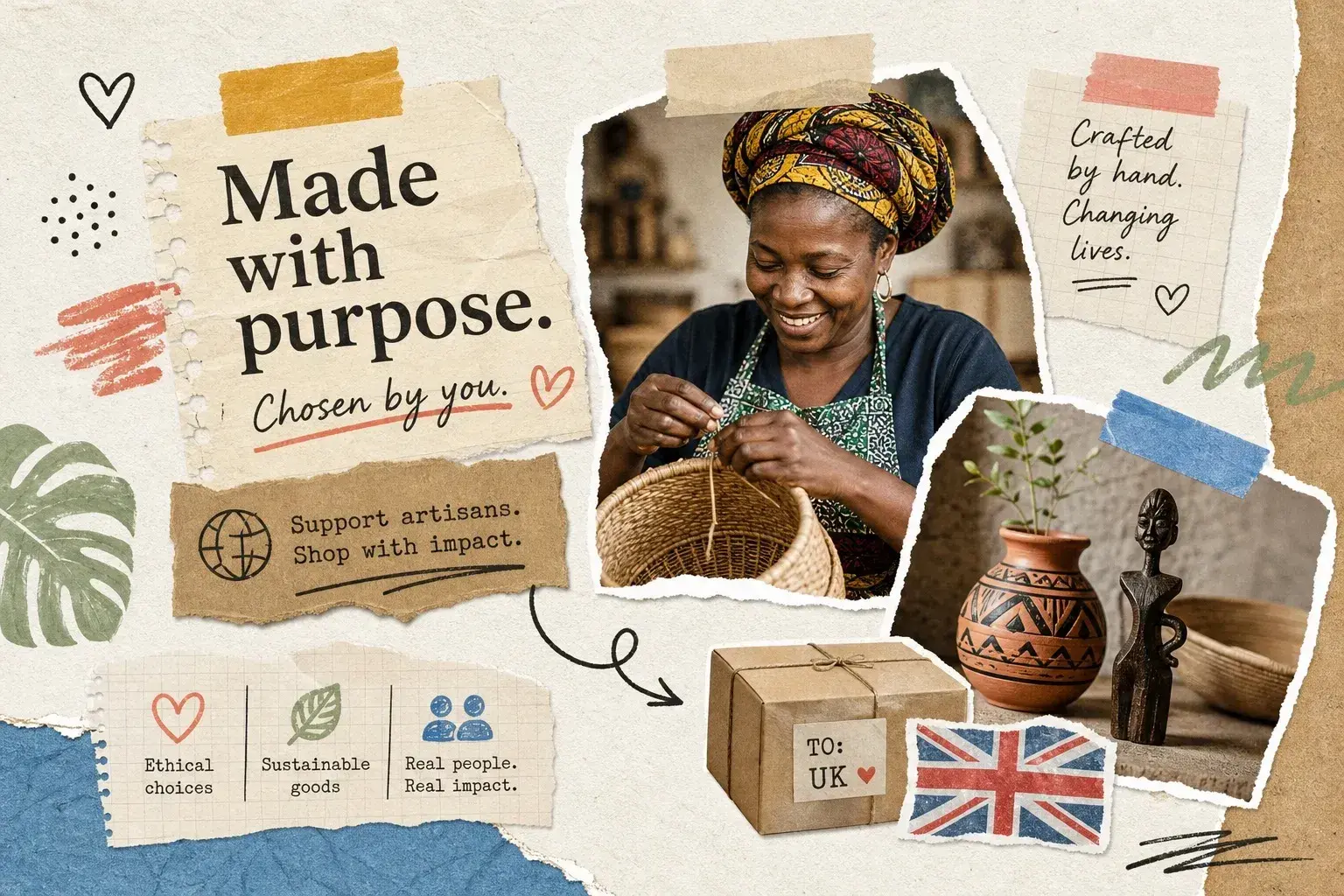
Now picture a different version of that story. You purchase the same style of basket directly from the Ghanaian weaver who made it. You know her name. You can see her studio, and the money reaches her family while a craft passed through generations survives for one more. The basket is the same shape, but the two purchases couldn't be more different.
That gap is exactly why platforms like Sokofa exist. As a UK-registered marketplace built specifically to connect British buyers directly with African artisans, Sokofa takes much of the guesswork out. By the end of this guide, you'll know where to shop, how to confirm what you're buying is genuine, and what to expect when your order arrives at your door.
Why buying directly from African artisans actually matters
The cultural story embedded in every handmade piece
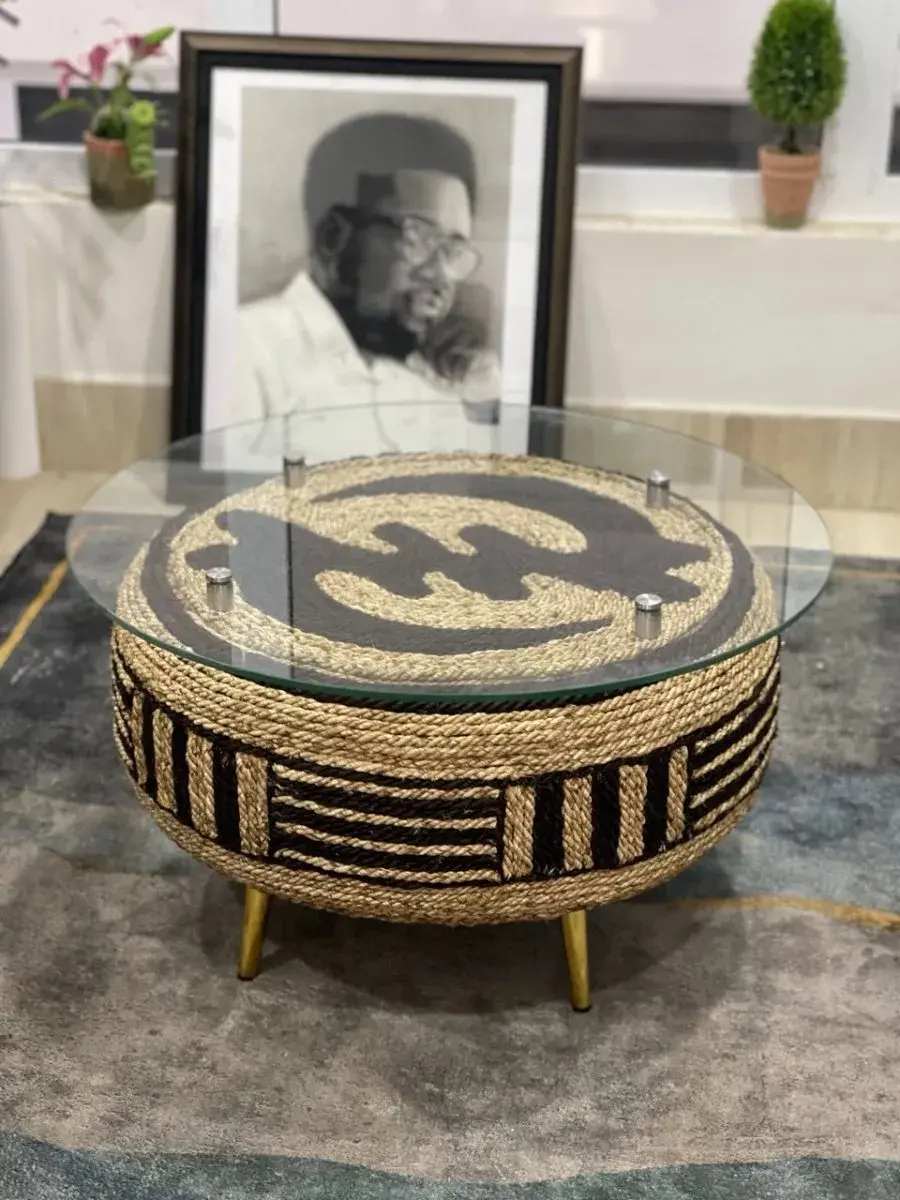
Authentic African artisan goods carry layers of meaning that no factory can replicate. A Kente cloth isn't just fabric. It encodes social status, occasion, and regional identity in every pattern. An Adinkra motif isn't decoration for its own sake; each symbol communicates a specific proverb or philosophical concept. When you purchase directly from the maker, that story travels with the product. Mass-produced imitations strip that context away entirely, leaving buyers with an aesthetic echo and nothing more.
This isn't just sentiment. When you choose the genuine article, you're choosing a deeper relationship with the object in your home or wardrobe. It's the difference between a piece that ages with meaning and one that simply ages.
The real-world impact on artisan communities
The economics of direct purchasing are striking. Artisans selling through direct marketplaces typically keep a far larger share of the retail price than in a traditional multi-tier supply chain, where the maker's share can shrink to a small fraction. On Sokofa the commission is a flat 10 per cent.
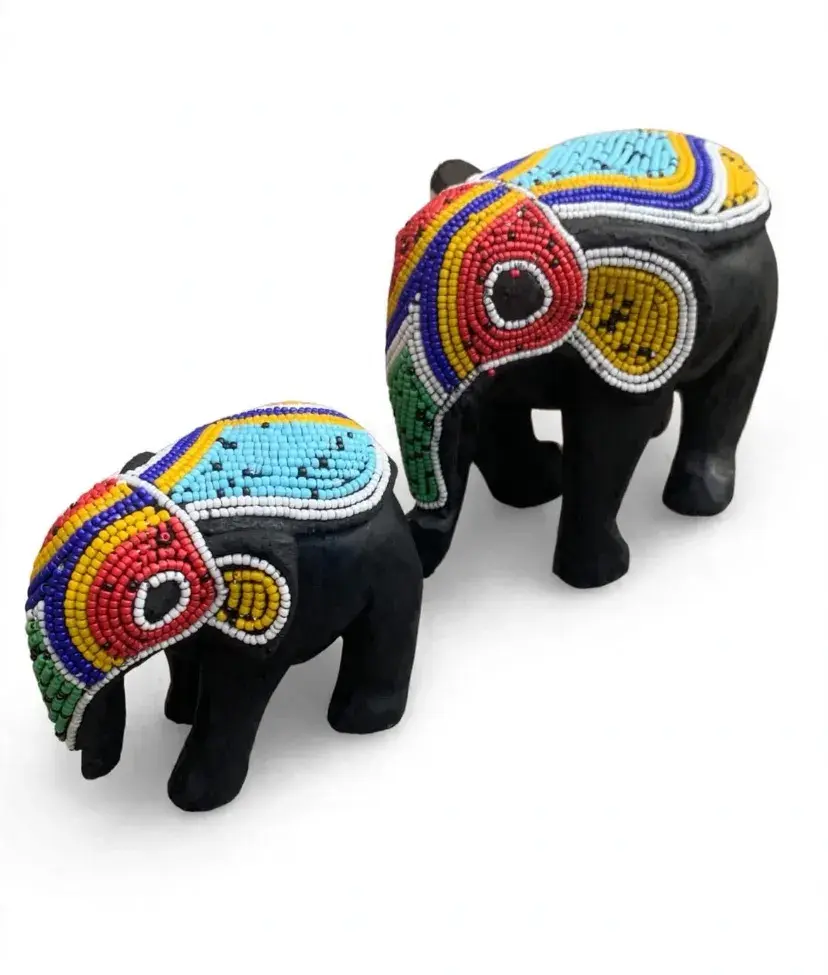
When a buyer pays a Kenyan beadworker directly, a meaningful share of that income stays in her community, funds her children's schooling, and sustains a craft that might otherwise disappear under the pressure of cheaper alternatives. Each time you buy from African artisans, you're participating in a small act of cultural preservation that goes far beyond the transaction itself.
What fair trade really looks like when buying African crafts
Beyond the label: what fair pay actually means for makers
The words "ethically sourced" and "handmade" appear everywhere online, but they aren't regulated terms. Any seller can use them. What actually matters is how a platform structures its payments and its relationships with the people who make the goods. Formal certification bodies like the World Fair Trade Organization and the Fair Trade Federation set rigorous standards, but not every trustworthy platform carries a formal certificate. What matters more is transparency: can the platform show you where the money goes and who made what?
When you're evaluating a marketplace, look past the badges and ask a direct question: does this platform publish its artisan payment structure? If the answer is vague, treat that as useful information.
Verified artisan programmes and why they're the gold standard
The most meaningful transparency mechanism a marketplace can offer is a verified artisan programme. Ideally, the platform knows who each seller is and where they work, reviews every listing before it goes live, and keeps watching through reviews and buyer reports. Ask any marketplace exactly which of these checks it carries out.
When a platform has done this work, your risk as a buyer drops significantly. You're not navigating a sea of resellers and hoping for the best. You're buying from a curated community of real makers, and that's the standard to hold any marketplace to before you spend your money. For further reading on ethics and authenticity in collecting African art, see this guide on ethics and authenticity in African art collecting.
Where to buy from African artisans with confidence
Sokofa: built specifically for UK buyers who want the real thing
For UK buyers seeking to purchase from African artisans, Sokofa is a strong and well-suited starting point. It's a UK-registered online marketplace founded specifically to connect British customers with artisans across the continent, covering fashion, contemporary art, home décor, and beauty. Every listing on Sokofa is reviewed before it goes live, so you're not left guessing whether your purchase has a genuine story behind it.
For UK shoppers, the practical advantages are worth noting. Sokofa lists prices in GBP and offers international shipping, and whether you're looking for a handwoven Ethiopian basket with a leather handle, an original acrylic portrait, or a pair of handmade leather sandals, you're buying from a named maker through a listing that has been reviewed. That's a meaningfully different experience from searching a general marketplace and hoping the listing is what it claims to be. You can browse makers on Sokofa and filter by category to find exactly what you're looking for. To learn more about the platform itself, see the About Sokofa | Authentic African Marketplace | Sokofa page.
Other reputable platforms that ship to the UK
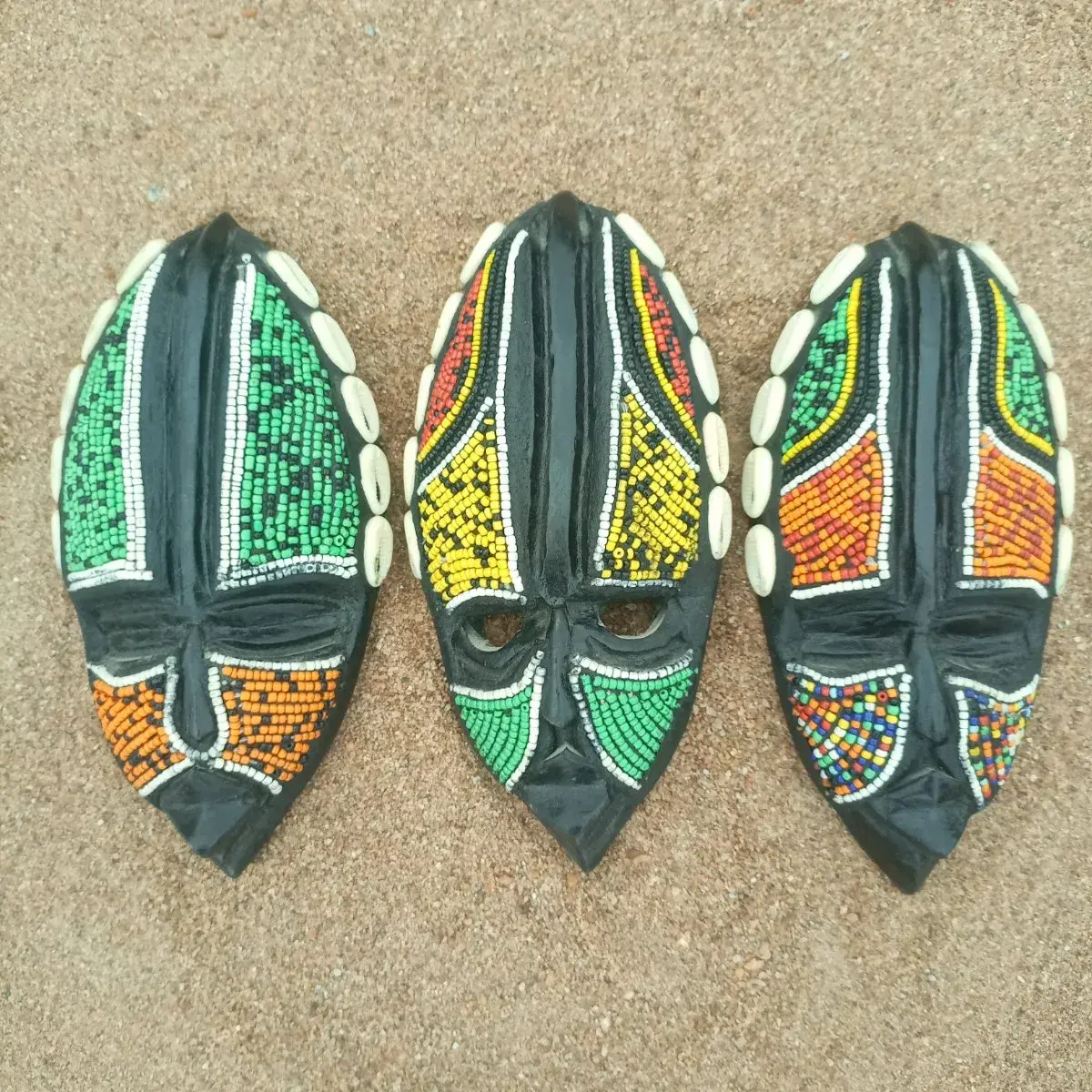
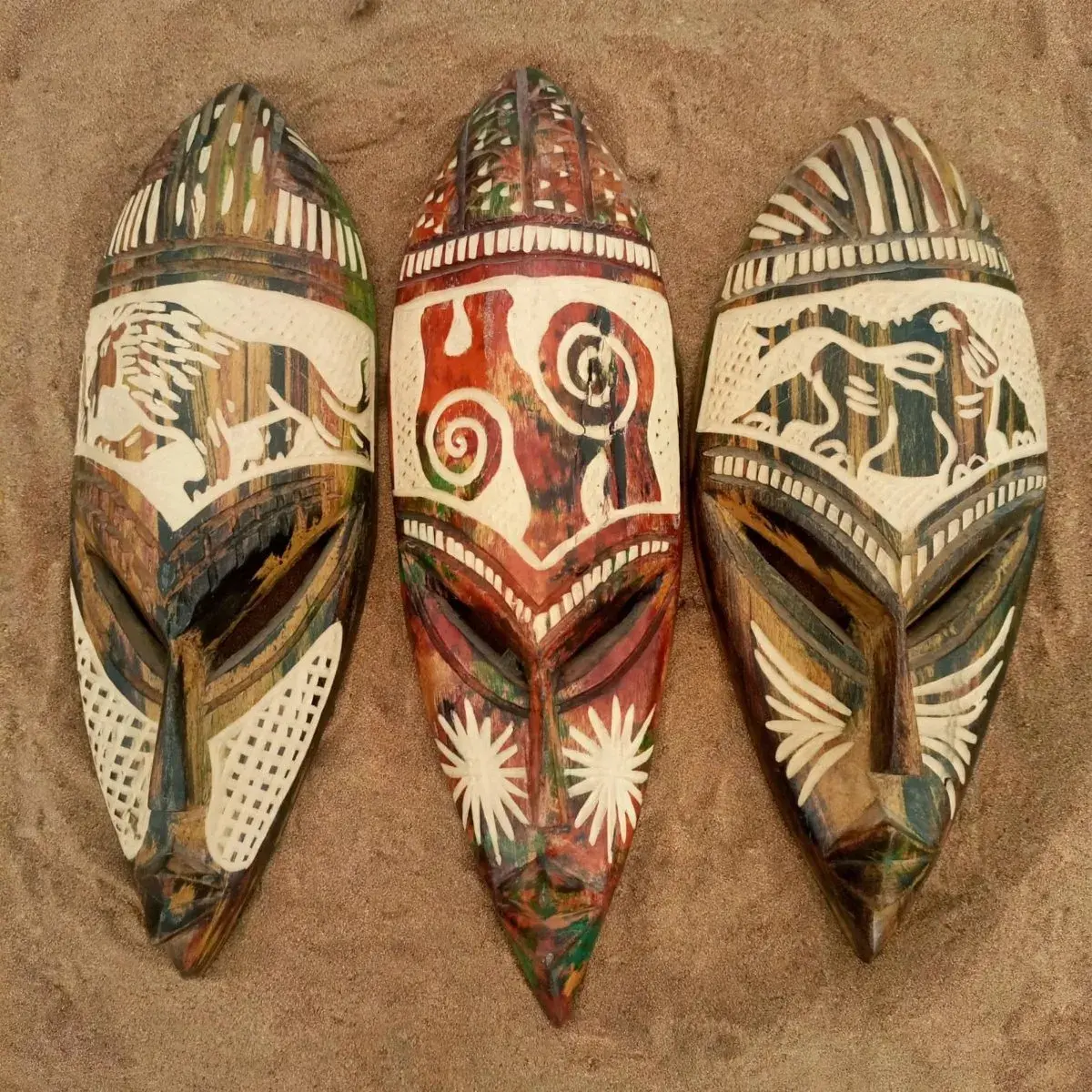
If your needs are very specific, a handful of other platforms are worth knowing about. Mawu Africa focuses on art and heritage pieces and ships internationally from a UK base. Africa Direct specialises in masks, textiles, and trade beads for collectors. Swahili African Modern offers fair-trade home décor with a modern aesthetic. Afrikrea, operating internationally, covers African fashion and accessories and ships to the UK. These are reasonable secondary options for niche requirements. Among the platforms reviewed here, Sokofa stands out for combining UK registration with a review of every listing before it goes live and a broad range of categories, a useful combination if you're looking to buy African art online alongside craft, fashion, and beauty in one place. If you want context on how small cooperatives and artist-run platforms are adapting to online markets, this piece on how small African artisan cooperatives are thriving in global e-commerce is a helpful read.
How to verify authenticity before you commit
The documents and details worth requesting from any seller
A trustworthy seller on a reputable platform will have most of this information available in the listing itself, but it's worth knowing what to look for. Ask for a certificate of authenticity that names the artist, title, date, medium, and dimensions, with confirmation of who issued it. Request provenance documents, receipts, export papers, or gallery records that show the object's chain of custody from maker to buyer. An artist profile with biographical details, studio location, and training history lets you cross-reference the piece against a body of known work.
Photos of the making process are particularly useful for contemporary craft. They show the artist at work, confirm the materials used, and provide a visual record that's difficult to fabricate convincingly. When all of these elements are present and consistent with each other, you're in a strong position to buy with confidence.
Red flags that suggest a listing may not be genuine
Vague origin descriptions are the clearest warning sign. "Traditional African style" or "inspired by African craft" tells you nothing about where the item was made or who made it. Recycled studio photos appearing across multiple unrelated seller profiles suggest someone is borrowing credibility rather than demonstrating it. Generic certificates that don't identify the specific object are another concern: a certificate of authenticity should describe one particular piece, not serve as a blanket endorsement for a seller's entire range.
Inconsistencies between the materials, style, and claimed origin are worth investigating further. If a listing claims a piece is handwoven in a specific region but the construction technique doesn't match what's typical for that area, that's a question worth raising with the seller before purchasing.
Shipping to the UK: costs, customs and what to expect
Typical delivery options and timeframes from African sellers
There are three main shipping routes for goods travelling from African sellers to the UK. Courier and express services such as DHL and FedEx typically deliver in four to seven business days and include door-to-door tracking. Air freight covers medium-sized orders in roughly two to four weeks. Sea freight, used for larger or bulk orders, takes eight to twelve weeks but is significantly cheaper per item. Confirm the shipping method with your seller before purchasing and check whether tracking is included as standard.
Marketplaces that centralise logistics tend to communicate expected timescales clearly, removing much of the uncertainty that comes with negotiating shipping arrangements directly with individual sellers abroad. Many buyers find this alone makes the experience considerably smoother. For a practical guide to import tax and duties and how they affect courier shipments, see this overview on UK import tax and duty.
The £135 VAT threshold and UK import duties explained
UK import rules are more buyer-friendly than many people expect, particularly for African goods. Orders with a total value (goods plus shipping) under £135 generally avoid import VAT at the border, though VAT may already have been applied at the point of sale. For orders over £135, budget for 20 per cent UK VAT on the total value.
The more encouraging news concerns import duty specifically. Under the UK's Developing Countries Trading Scheme (DCTS), goods genuinely originating from eligible African nations can enter the UK at zero per cent import duty, provided the seller supplies a certificate of origin. Eligibility depends on the country tier and the product's rules of origin, so it's worth verifying whether your specific country and item qualify. Original artworks are already exempt from import duty regardless of origin. Even for textiles and crafts, where DCTS eligibility applies, the standard rates of four to twelve per cent simply don't come into play. Check the specific HS code for your item on the UK Integrated Online Tariff at trade-tariff.service.gov.uk for precise classification, and confirm current rates with HMRC before placing a high-value order. The UK government's guidance on trading with developing nations is a useful place to confirm DCTS details and eligibility.
Protecting your purchase: returns, disputes and safe payment
What buyer protection to expect on different platforms
Centralised marketplaces with their own purchase protection policies offer stronger, more consistent safeguards than individual seller websites. Good buyer protection covers items that don't arrive, arrive damaged, or differ significantly from the listing, with a clear and accessible dispute resolution process. Before purchasing from any platform, check its return window, its process for raising a dispute, and who bears the cost of international return shipping if a return is needed.
Specialist galleries and individual seller sites vary widely in what they offer. Some are excellent; others have no formal process at all. The more you're spending, the more important it is to confirm these details in advance rather than after a problem has occurred.
Payment methods that keep you covered internationally
Pay with a credit card or a payment platform that offers chargeback rights for international purchases. This gives you a secondary layer of protection if the seller's own process doesn't resolve a problem satisfactorily. A chargeback via your card issuer can recover funds even when a seller is unresponsive or a platform's dispute process is slow.
Bank transfers directly to individual sellers carry the most risk for high-value art or craft pieces. Without a buyer protection mechanism sitting between you and the transaction, recovering funds if something goes wrong becomes significantly harder. Treat this as a firm rule for any purchase above a modest amount, regardless of how trustworthy the seller appears.
The purchase that actually means something
That factory-made basket from the high street is still sitting in someone's living room, doing its job as a storage container. But it carries no story, supports no maker, and preserves nothing. The handwoven one from a Ghanaian artisan does all three, and it arrives at your door having made a direct, measurable difference to someone's livelihood.
Buying from African artisans doesn't have to be complicated. With the right platform, a basic understanding of provenance checks, and a clear picture of UK customs thresholds, the process is as straightforward as any online purchase, and far more rewarding. If you're looking for African handmade gifts for a UK recipient, or simply want to purchase from African artisans with genuine confidence, a marketplace that names its makers and reviews every listing is the simplest route to getting it right. The difference is in what that purchase does once you've made it.
Sokofa is a natural starting point for anyone ready to explore. Every listing connects you to a named maker, and every piece that arrives at your door carries a story that's entirely its own. Browse the collection at sokofa.com and find something genuinely worth buying. If you'd like to read more about the founding and mission behind the marketplace, see the feature The Marketplace That Finally Said Yes: Why African Artisans Are Choosing Sokofa.