Funmi Adebayo had lived in Leeds for six winters before she finally admitted defeat. Every November her hands cracked at the knuckles, her shins turned the colour of chalk, and the expensive cream from the chemist did nothing but sit on top of her skin like a thin plastic film. It was her grandmother, on a video call from Ibadan, who finally said the obvious thing. "Why are you buying cream when you have shea in the cupboard your mother sent you?" Funmi laughed, because the jar of raw shea butter had been sitting unopened on her shelf for two months, brought back from a trip home and largely ignored in favour of glossier packaging. That night she warmed a small amount between her palms, pressed it into her shins, and went to bed. By morning the cracking had eased. By the end of the week, for the first time in six Leeds winters, her hands looked like her own again.
That small, almost embarrassing discovery is how most people come to natural African skincare. Not through a marketing campaign, but through a grandmother, an aunt, or a friend who never stopped using the products their own mothers used, while the rest of us went looking for solutions in bottles with longer ingredient lists and shorter results. If you are searching for the best African beauty products for UK skin, the truth is that the products were never the hard part. Understanding how to use them, and trusting that something this simple actually works, is where most people get stuck.
What makes African beauty products different
Most commercial skincare is built around a long list of synthetic actives, designed to be shelf stable for years and to feel a certain way the moment it touches your skin. African beauty products, by contrast, tend to be built around a short list of whole ingredients that have been used for generations, often with very little processing between the plant and the jar. Raw, unrefined shea butter is the clearest example. Refined shea butter, the kind found in most high street creams, is heated and bleached until it is odourless, colourless, and shelf stable, which also strips out a large share of the vitamins A and E that made it useful in the first place. Raw shea butter keeps its ivory to pale yellow colour and faint nutty scent precisely because it has not been stripped of anything.
The same logic runs through African black soap, made from plantain skin ash and natural oils, and through baobab and marula oil, both light facial oils prized for absorbing quickly without leaving a greasy film. None of these products are exotic novelties. They are simply skincare that predates the idea of skincare as an industry, kept alive by the women's cooperatives and small workshops that still make them in the same way today. When you shop for African beauty products UK wide, you are usually buying directly from someone close to that supply chain, rather than from a brand several licensing deals removed from it.
How to start an African skincare routine without overhauling everything at once
The mistake most newcomers make is trying to replace an entire routine overnight. A better approach, and the one dermatologists tend to recommend for any new skincare habit, is to introduce one product at a time and give your skin two to three weeks to respond before adding another.
Start with a cleanser. African black soap is a gentle place to begin, particularly if your skin runs oily or blemish prone, since it cleanses without stripping the skin the way some foaming face washes do. Follow with a facial oil rather than a heavy cream if your skin is normal to oily. Baobab oil sinks in fast and works well under makeup, while marula oil suits drier skin that wants a touch more richness. Reserve raw shea butter for your body, your hands, and your hair ends, where its density is an advantage rather than something to fight against.
The browsing pages on Sokofa's skincare and oils sections are a sensible starting point if you want to see what a small batch routine actually looks like before you buy, since every listing carries its full ingredient list rather than a marketing paragraph standing in for one.
Shea butter beauty routine: the one habit worth keeping
If you take nothing else from natural African skincare, take the shea butter habit. It is the single most versatile product in this category, and the easiest one to build a routine around without needing to learn anything new.
For hands and feet, a small amount worked in at night, while it is still slightly warm from your palms, solves most of what UK winters do to skin. For hair, a thin layer smoothed over dry ends seals in moisture far better than most leave in conditioners, particularly for textured or curly hair that loses moisture quickly. For lips, it replaces balm entirely. The only real skill involved is using less than feels intuitive at first. Raw shea butter is dense, and a small amount, warmed between the palms until it turns from solid to a soft, almost translucent oil, goes further than the equivalent amount of a whipped commercial body butter.
Some people also melt it gently with a few drops of a lighter oil, such as baobab, to create a faster absorbing version for daytime use under clothes. There is no wrong way to do this as long as you are patch testing first, especially if you have known allergies, since these are minimally processed products without the standardised formulation of a lab made cream.
Best African beauty products for UK skin and UK weather
UK skin has a specific set of problems that African beauty products happen to solve well, even though they were not designed with British weather in mind. Central heating and cold outdoor air together are a brutal combination for the skin barrier, drying it out far more aggressively than humid climates do. Dense, occlusive products like raw shea butter are particularly good at holding moisture in under these conditions, which is part of why so many people in colder, drier climates have adopted it long after their grandmothers first introduced it to warmer ones.
For UK skin specifically, a sensible seasonal approach works well. Lean on lighter oils like baobab through spring and summer, when your skin needs hydration without heaviness, and shift to shea butter as the primary moisturiser once the heating goes on in autumn. If your skin tends toward oily or breakout prone, African black soap used two to three times a week, rather than daily, tends to balance rather than overdry.
It is also worth noting that small batch products vary slightly from one to the next. Colour, scent, and texture can shift depending on the harvest, which is the trade off for skipping the industrial refining that makes commercial products identical every time. That variation is normal, not a sign of a problem with the product.
Where to buy natural African skincare in the UK
The honest answer is that you want to buy as close to the source as possible. Marketplaces that connect you directly with African artisans and small cooperatives tend to carry products with fuller ingredient lists and clearer sourcing than products that have passed through several layers of distribution before reaching a UK shelf. Sokofa's beauty and wellness section is built around exactly that principle, with every listing naming the maker and the ingredients rather than relying on a brand story to fill the gap.
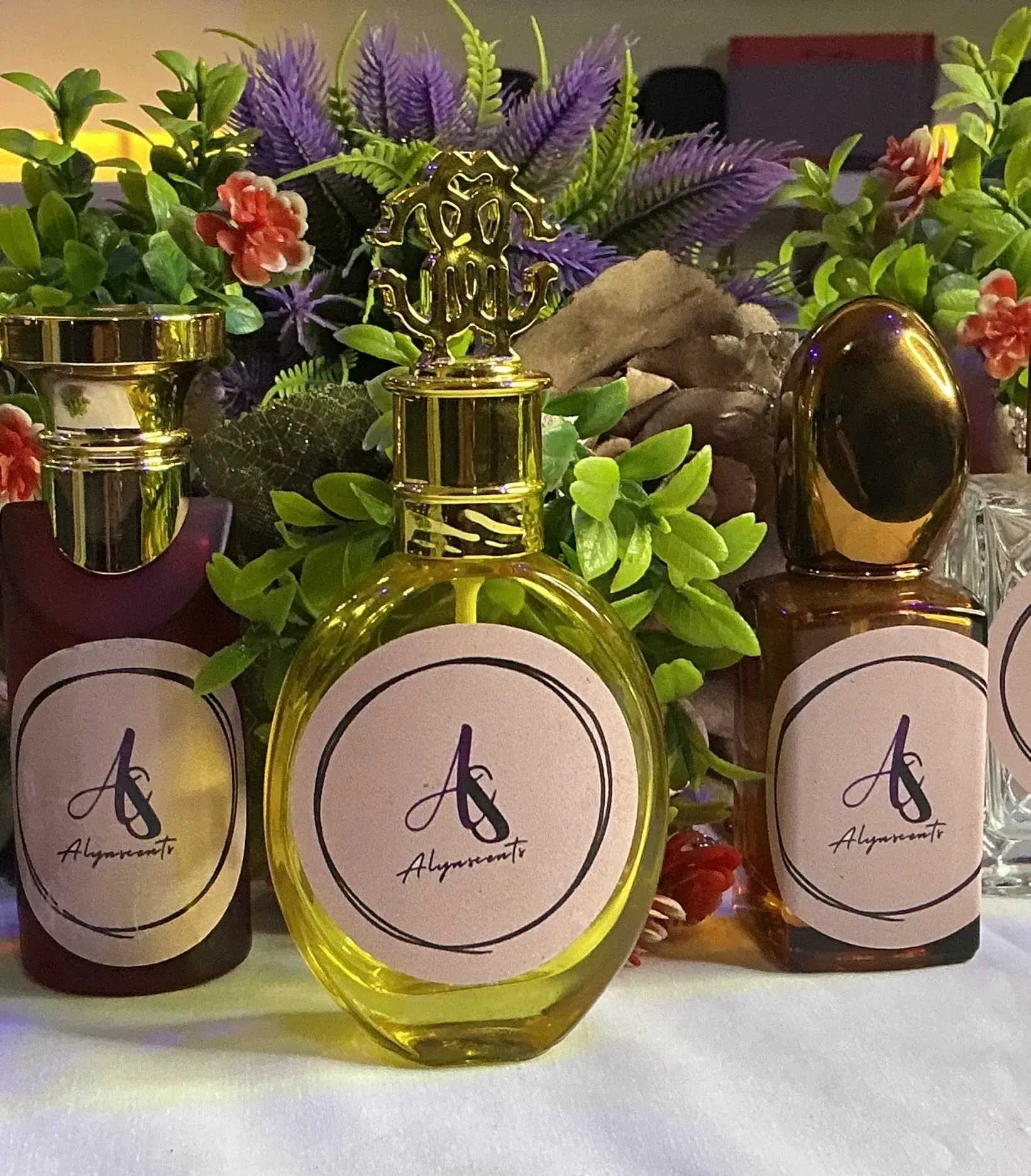
If you are buying a first product to test the waters, something compact and low commitment, like the handcrafted Alyn Oud Perfume Oil from Alyn Scents, is a good way to get a feel for small batch African beauty products before building out a fuller routine. It is also worth browsing gifts under £50 if you are buying for someone else who has never tried this kind of skincare before, since it is a category that tends to win people over quickly once they actually use it.
Building the habit, not just the routine
The real shift, for Funmi and for most people who make this switch, is not really about the products at all. It is about trusting something simple enough that it almost feels like it should not work, and giving it the same two or three weeks of patience you would give anything new. Once the habit sticks, the routine tends to simplify rather than grow, because a handful of well chosen, minimally processed products usually does more than a crowded shelf of specialised ones.
It is worth saying plainly that none of this requires a complete wardrobe of products to see a difference. Funmi's routine, two winters on, is still just three things: black soap for cleansing, baobab oil under her makeup, and shea butter for everything else, kept by the bed rather than in a drawer she forgets about. She still calls her grandmother most weekends, and the joke between them now is that the cupboard never runs empty, because once UK skin meets proper shea butter, it does not really go back to the alternative.
If you are ready to build your own routine, start by browsing Sokofa's full beauty and wellness collection and pick one product, just one, to introduce this week. The rest of the routine has a way of building itself once the first habit takes hold.