
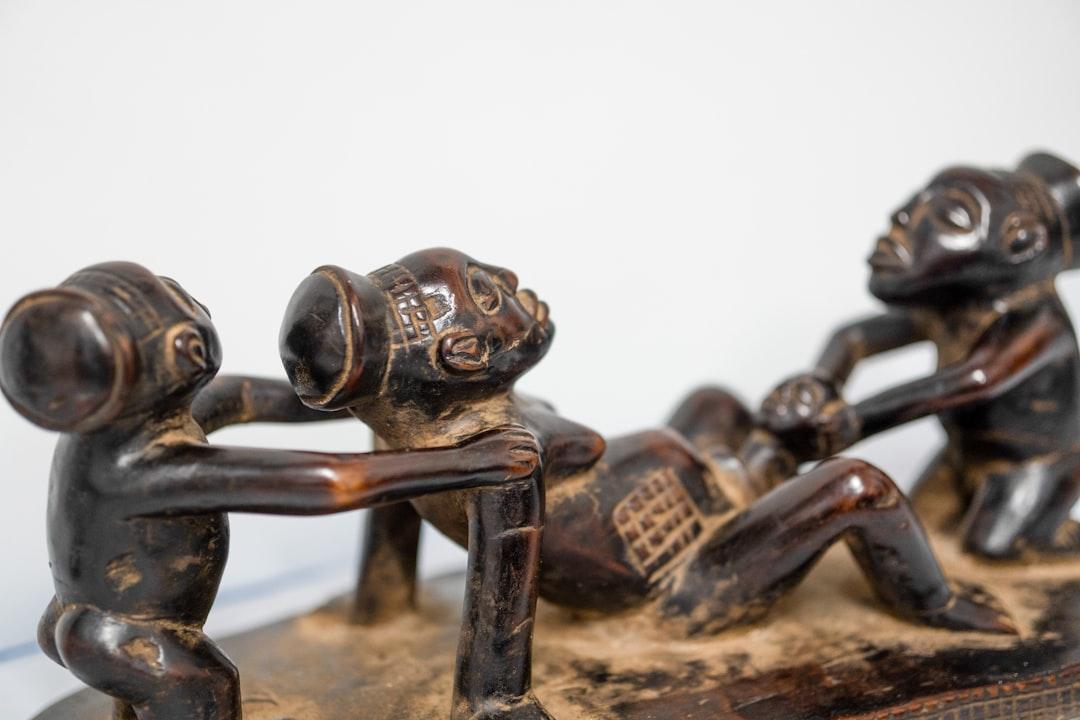
African art is one of the oldest and most varied artistic traditions on earth, stretching back thousands of years and across an entire continent of distinct cultures. It covers everything from carved wooden masks and bronze heads to handwoven textiles, beadwork, pottery, and the paintings and sculpture of today's contemporary scene. If you are looking to buy a piece, the real challenge is not finding African art. It is understanding what you are looking at and learning to tell an authentic, well made work from a mass produced copy.
This guide walks through the main forms, what gives a piece value, how to judge authenticity, and where to shop with confidence.
What "African art" actually covers
Calling it "African art" is a little like calling everything from Italy to Norway "European art." The continent holds hundreds of cultures, each with its own materials, symbols, and purpose behind the work. A few of the traditions you are most likely to come across:
Masks and ceremonial sculpture. Carved wood masks from peoples such as the Dogon of Mali, the Baule and Senufo of Côte d'Ivoire, and the Kuba of the Democratic Republic of Congo. These were rarely made as decoration. They served ritual, spiritual, and social roles.
Bronze and metalwork. The famous Benin Bronzes from the Kingdom of Benin in present day Nigeria, cast brass plaques and heads of extraordinary skill, alongside Akan goldweights from Ghana.
Terracotta and ceramics. The Nok culture of Nigeria produced terracotta figures more than two thousand years ago, among the oldest known sculpture from sub Saharan Africa.
Textiles. Kente cloth from Ghana, mudcloth (bogolanfini) from Mali, and the patterned wax prints worn across West Africa.
Beadwork and adornment. Intricate Maasai, Zulu, and Ndebele beadwork, where color and pattern carry social meaning.
Stone sculpture. The Shona stone carving tradition of Zimbabwe, prized by collectors worldwide.
Each of these is a deep field on its own. The point for a buyer is that "African art" is not a single style. It is a family of traditions, and knowing roughly which one you are drawn to sharpens everything else.
The contemporary scene is booming
It would be a mistake to treat African art as something only from the past. The contemporary African art market has grown into one of the most exciting corners of the global art world, with dedicated fairs, rising auction results, and a generation of artists earning international recognition.
Ghanaian sculptor El Anatsui, known for vast shimmering tapestries made from bottle caps and metal scraps, is one widely celebrated example of how contemporary African artists are reshaping what the medium can do. Across painting, photography, installation, and mixed media, artists working on the continent and across the diaspora are commanding serious attention from collectors and museums alike.
For a buyer, this matters in a practical way. You are not limited to traditional artifacts. You can collect living artists whose work is both an aesthetic pleasure and, increasingly, an investment.
Why African art carries the weight it does
Two things give the field its depth.
First, much traditional African art was made to be used, not displayed. A mask was worn in ceremony. A figure held spiritual power. A textile signaled status or marked a life event. The work was woven into daily and ritual life rather than hung on a wall, which is part of why it feels so alive.
Second, its influence on the wider art world is hard to overstate. Early 20th century European modernists, Picasso and the Cubists among them, drew directly on the forms of African masks and sculpture. The clean abstraction and bold geometry that shaped modern art owe a real debt to traditions that were already centuries old.
When you buy a piece, you are buying into that lineage.
How to judge authenticity and craftsmanship
The market has its share of pitfalls. There is "airport art," the mass produced tourist piece churned out by the thousand. There are machine made reproductions sold as handmade. And with antique artifacts there are genuine ethical and provenance concerns, including ongoing debates about looted heritage such as the Benin Bronzes.
Here is what to look for before you commit:
Materials and technique. A real listing names the medium, whether it is hand carved hardwood, lost wax cast bronze, fired terracotta, or hand woven cloth. Vagueness here is a warning sign.
Origin and region. Authentic work is tied to a specific people, region, or named artist. "African style" is not the same as African made.
One off versus reproduction. Ask whether the piece is a unique work, a limited run, or an open reproduction. The price should reflect the answer.
Provenance for contemporary work. For living artists, look for the artist's name, ideally a signature or certificate, and information about where and when it was made.
Honest photography. Multiple angles, close ups of texture, carving marks, joins, and finish. Real craft shows its hand. Flawless uniformity often means a machine made it.
A backstory that holds up. Cultural context or an artisan profile is a strong positive signal for handmade pieces. A listing that offers none of that is a reason to slow down.
The single best filter is transparency. A seller who tells you exactly what a piece is, who made it, and how, is showing respect for both the work and the buyer.
Where to buy African art online
Quality African art is easy to find and hard to verify. The difference between a good purchase and a regret is almost always the seller.
Look for product pages that commit to specifics on material, origin, and technique, that show the piece from several angles in good light, and that give cultural or artist context. When the work is handmade, an artisan story signals a seller who values the craft rather than just the sale.
Sokofa is built around that standard: a curated marketplace connecting shoppers to verified vendors of African fashion, art, beauty, and cultural products. You can browse by category, filter by product type, and check vendor profiles before you buy, whether you are starting a collection, hunting for a statement piece, or finishing a room.
Start here:
Frequently asked questions
What counts as African art? It spans traditional forms such as masks, bronze and wood sculpture, terracotta, textiles, and beadwork, as well as the work of contemporary African painters, sculptors, and photographers working today. The common thread is origin in Africa's cultures, not a single style.
Is contemporary African art a good investment? The contemporary African art market has grown strongly, with rising recognition for living artists at major fairs and auctions. As with any art, value depends on the artist, the work, and provenance, so buy what you love and verify what you buy. This is not formal investment advice.
How can I tell if a piece is authentic and not a tourist reproduction? Authentic work names its materials, its region or maker, and whether it is unique or reproduced. Hand carving and casting show natural variation and tool marks. Perfectly uniform, suspiciously cheap pieces are usually machine made for the tourist trade.
Was African art really an influence on modern Western art? Yes. Early 20th century European modernists, including Picasso and the Cubists, drew heavily on the forms of African masks and sculpture, which helped shape the direction of modern art.
How do I care for African art at home? Keep wood and textiles out of direct sunlight and away from damp to prevent warping, cracking, and fading. Dust gently rather than using harsh cleaners. For valuable or antique pieces, ask the seller about specific conservation needs.
Ready to find your piece?
The best place to buy African art is the seller who treats each piece as a story with a maker behind it, not a product code. Now that you can recognize the major traditions, follow the contemporary scene, and spot the signs of authentic craft, you can browse with a sharper eye. Explore the Sokofa categories above, read the vendor details, take your time comparing, and choose the work that speaks to you.